The Michelin Guide has extended its hallmark of excellence beyond gastronomy with the launch of the MICHELIN Key, a new global distinction recognizing the world’s finest hotels. Mirroring the prestige of MICHELIN Stars for restaurants, MICHELIN Keys celebrate extraordinary hospitality experiences where design, service, and authenticity come together to create unforgettable stays.
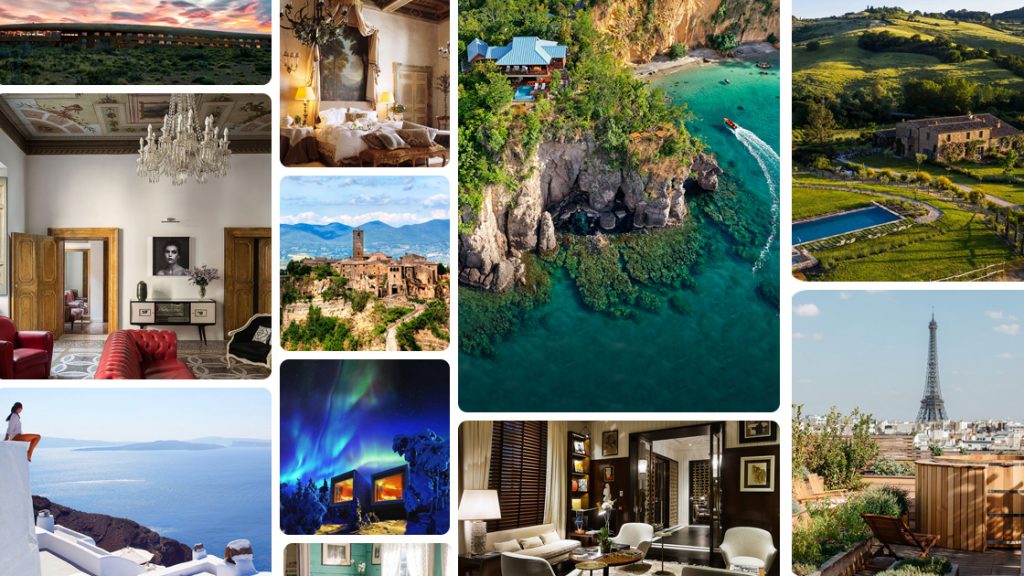
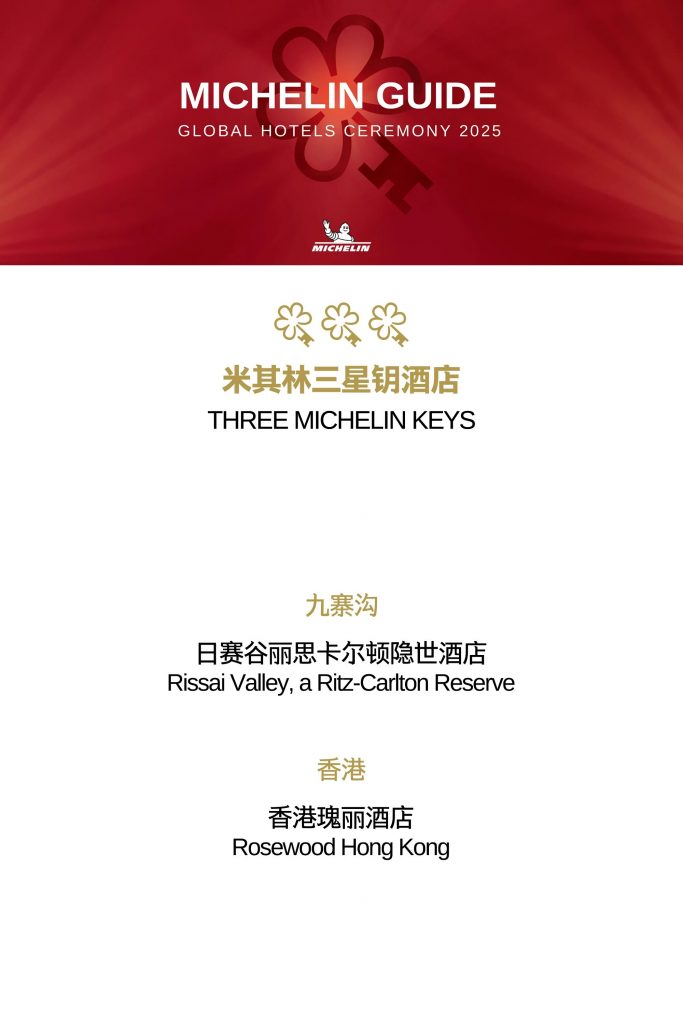
Announced in Paris on Oct 8, 2025, the inaugural Global MICHELIN Keys Selection distinguished 2,457 hotels across 120+ countries, rated with One, Two, or Three Keys. One Key signifies a “very special stay,” Two Keys an “exceptional stay,” and Three Keys represent “an extraordinary stay” – the highest honor of global hospitality.
“With their unique field expertise, MICHELIN Guide Inspectors have selected the finest properties from across the globe, reflecting the diversity and excellence of today’s hospitality landscape. Whether travelers seek iconic resorts, historic city hotels, or hidden gems off the beaten path, the MICHELIN Keys provide a trusted guide to discover, explore, and book truly memorable stays that inspire and delight,” said Gwendal Poullennec, International Director of The MICHELIN Guide, in the statement.
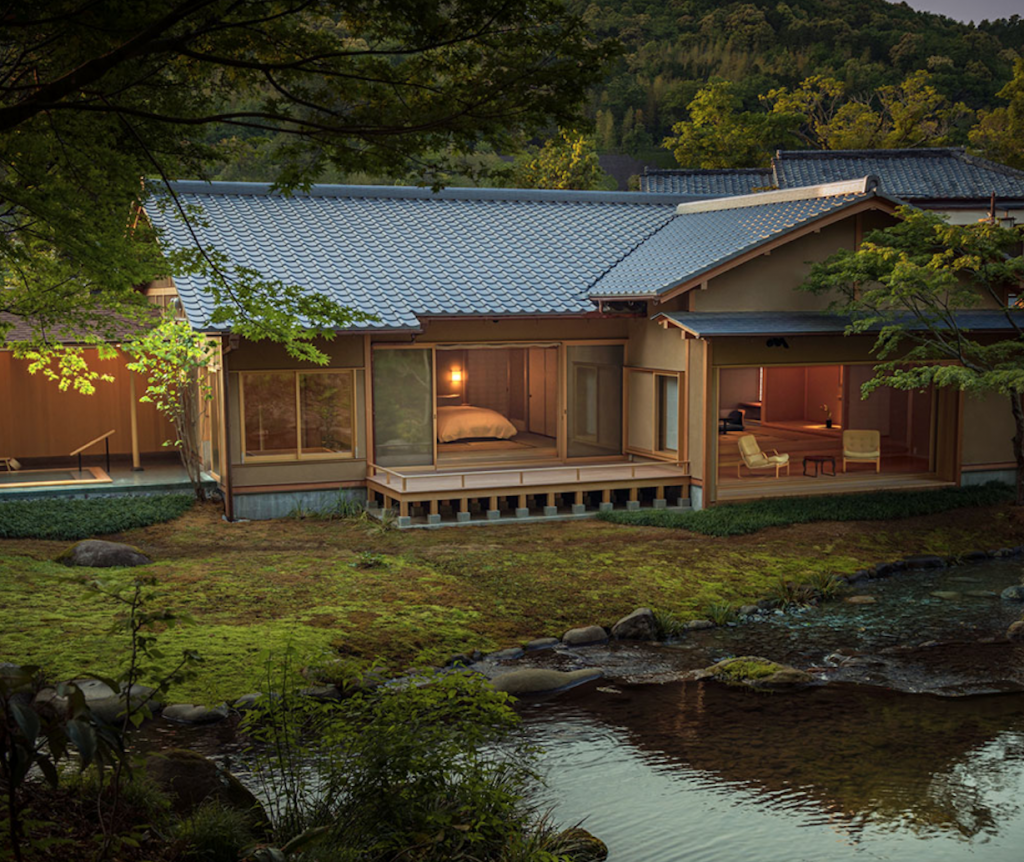
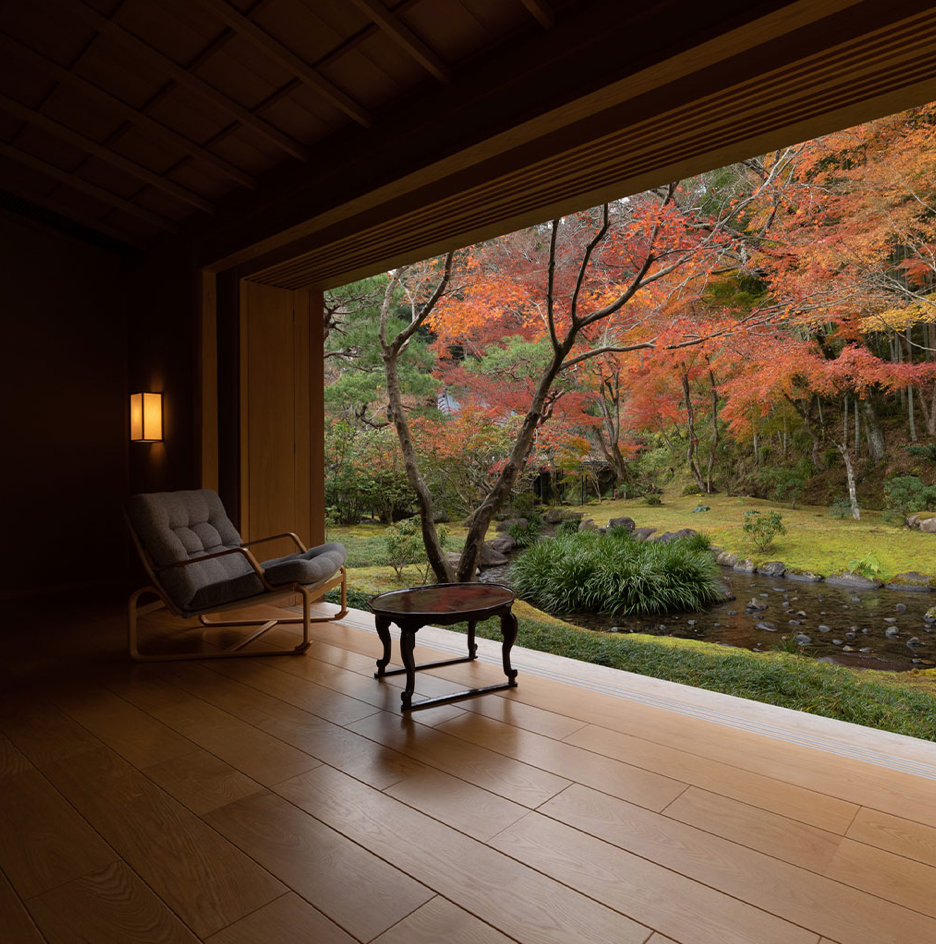
Across Asia, the first-ever MICHELIN Key hotels have been named in China, India, Cambodia, Vietnam, and more than 15 other destinations. Highlights include Asaba Ryokan in Izu City, Japan – awarded Three Keys for its 500-year heritage of omotenashi hospitality – and Ceylon Tea Trails – Relais & Châteaux in Sri Lanka, recognized for blending colonial charm with contemporary design amid tea valleys.
Greater China region made a remarkable debut this year with 64 hotels earning MICHELIN Keys – 2 Three-Key, 13 Two-Key, and 49 One-Key distinctions, marking China’s growing presence on the global luxury map.
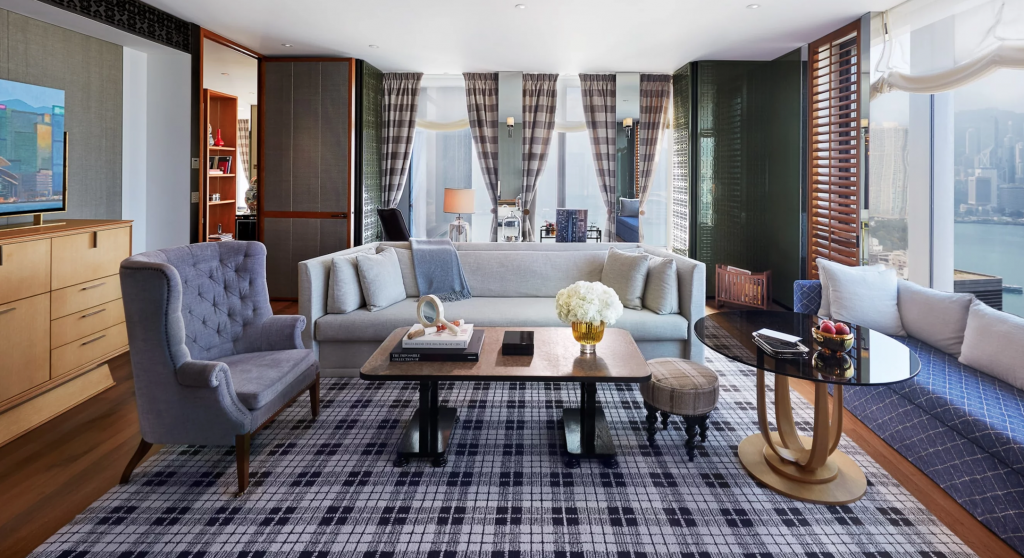
At the top of the list, two properties in Greater China have received the coveted Three MICHELIN Keys, awarded to hotels offering an “extraordinary stay.” Rosewood Hong Kong, the brand’s global flagship, commands Victoria Harbour from a 65-story tower. Designed by Hong Kong-born, New York–based designer Tony Chi, the hotel blends understated modernism with timeless elegance.


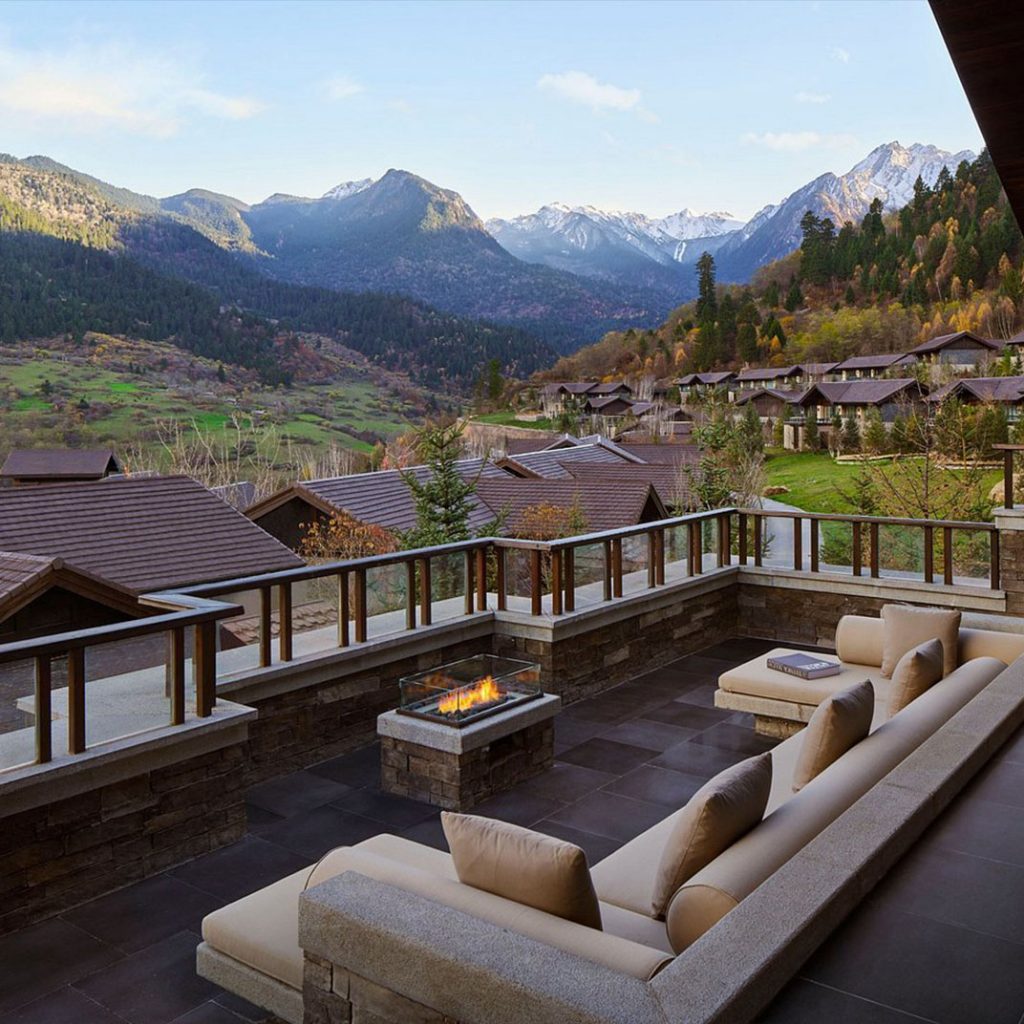
In Sichuan, the Ritz-Carlton Reserve Jiuzhaigou sits amid a UNESCO World Heritage landscape, reinterpreting traditional Tibetan architecture through 87 villas that blend local culture with quiet opulence. Guests experience mountain serenity, wellness rituals inspired by local traditions, and seasonal cuisine rooted in the region’s flavors.
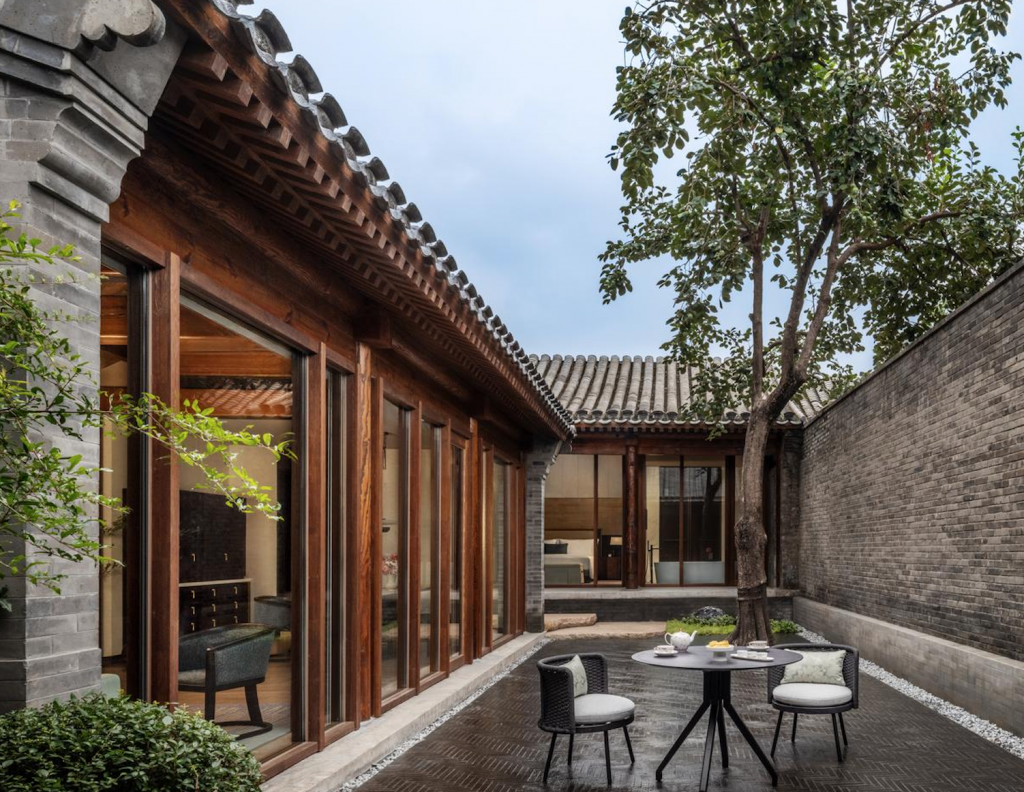
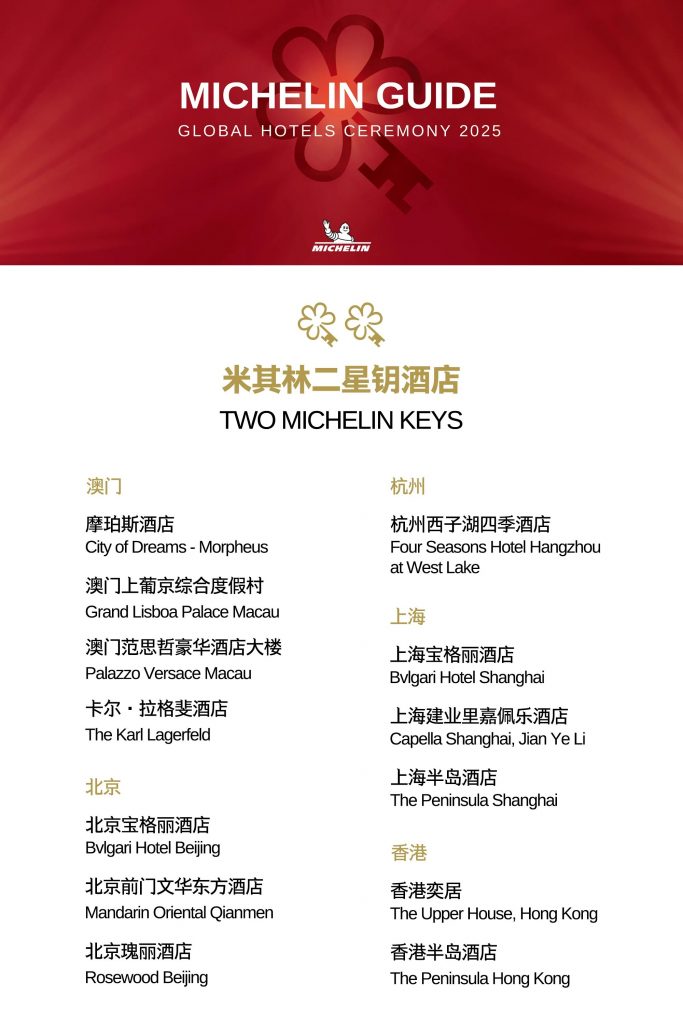
China’s 13 Two MICHELIN Key hotels reflect a refined balance of design innovation, cultural depth, and destination authenticity. Notable honorees include Mandarin Oriental Qianmen, Beijing, set within 42 meticulously restored courtyard homes in the city’s historic hutong district. Four Seasons Hotel Hangzhou at West Lake, where Jiangnan aesthetics harmonize with tranquil lakeside scenery, and Capella Shanghai, Jian Ye Li, a masterful preservation of 19th-century Shikumen architecture in the heart of the French Concession.
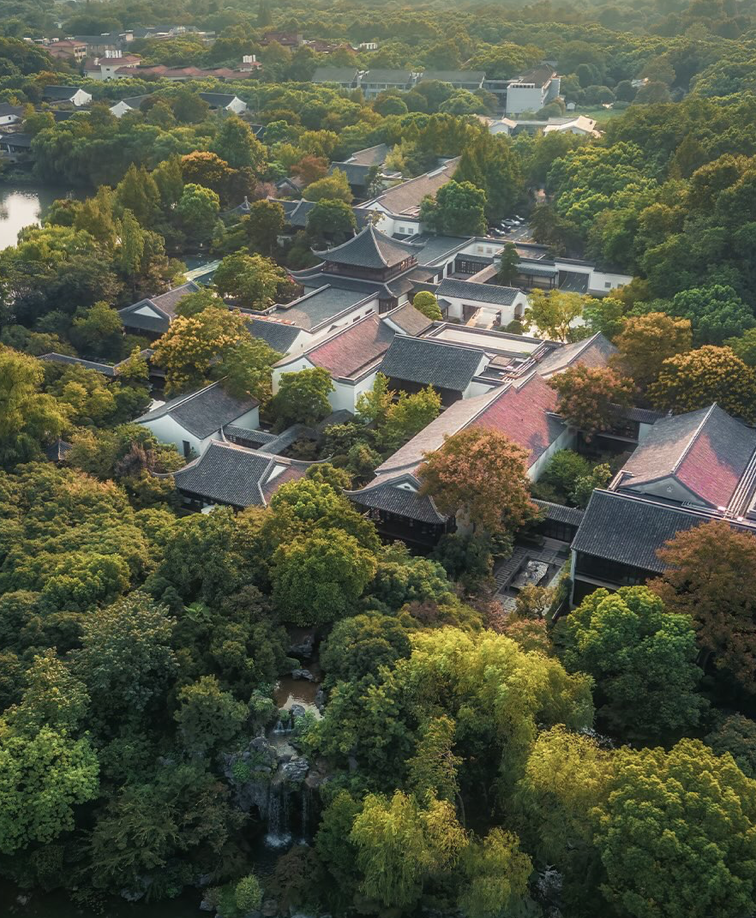
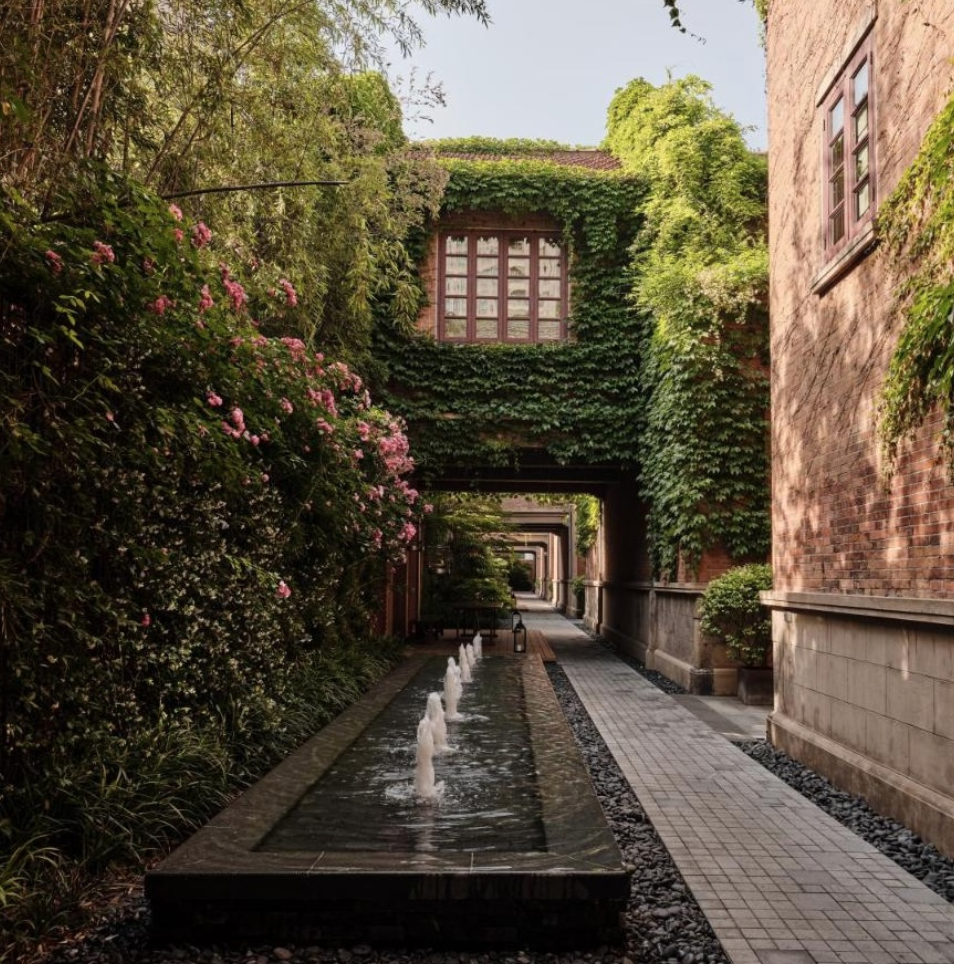
Other celebrated properties include the Bulgari Hotels in Beijing and Shanghai, The Peninsula Hotels in Hong Kong and Shanghai, and several of Macau’s architectural showpieces such as Morpheus at City of Dreams, Palazzo Versace Macau, Grand Lisboa Palace Macau, and The Karl Lagerfeld.
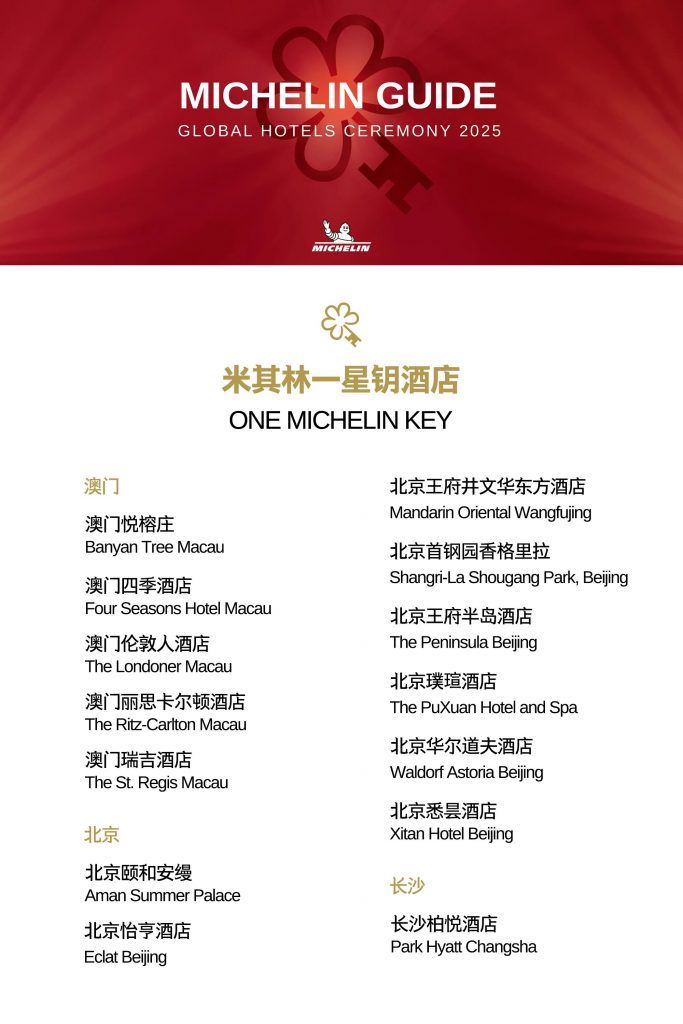
Rounding out the China list are 49 One MICHELIN Key hotels, honored for their charm, comfort, and distinctive personality. Many sit quietly within bustling city centers, offering elegant retreats for business and leisure travelers alike, while others immerse in nature and cultural heritage, such as Banyan Tree Ringha, perched 3,000 meters above Yunnan’s mountain valleys.
These hotels are now fully bookable on the MICHELIN Guide’s digital platforms, complete with concierge services and guest benefits.