As the world grows ever more connected, ideas travel faster than ever and kitchens across continents are creating new stories. Chef collaborations are becoming bridges blending cultures and igniting creativity.
For Cantonese cuisine, famed for its subtle harmony and respect for nature’s finest ingredients, the movement is both a revival and a reinvention offering a chance for which to find a new life – one that honors tradition while giving Cantonese cuisine its enduring elegance. For some time in the past, it was not that ready. Hard truths such as changing dining habits and a shortage of young chefs left Cantonese cuisine at a crossroads – less dynamic than it once was.
Of late, two four-hands collaboration dinners have drawn attention, showcasing a new openness among Cantonese chefs. Particularly inspiring is how the veteran generation’s embrace of innovation with curiosity, driving the ongoing evolution of this time-honored culinary tradition.


Stretching nearly 3,000 kilometers apart, China’s South and North often feel like different worlds – one warm and lush, the other crisp and windswept. In the South, Cantonese cuisine has long been cherished for its lightness and grace with meticulous care.
Far to the North, in the kitchens of Jilin, Heilongjiang, and Harbin, the cooking tells another story – robust, comforting, and shaped by long winters and an abundant natural bounty. Between them lies not a divide, but a spectrum of taste that mirrors the diversity of the nation itself.
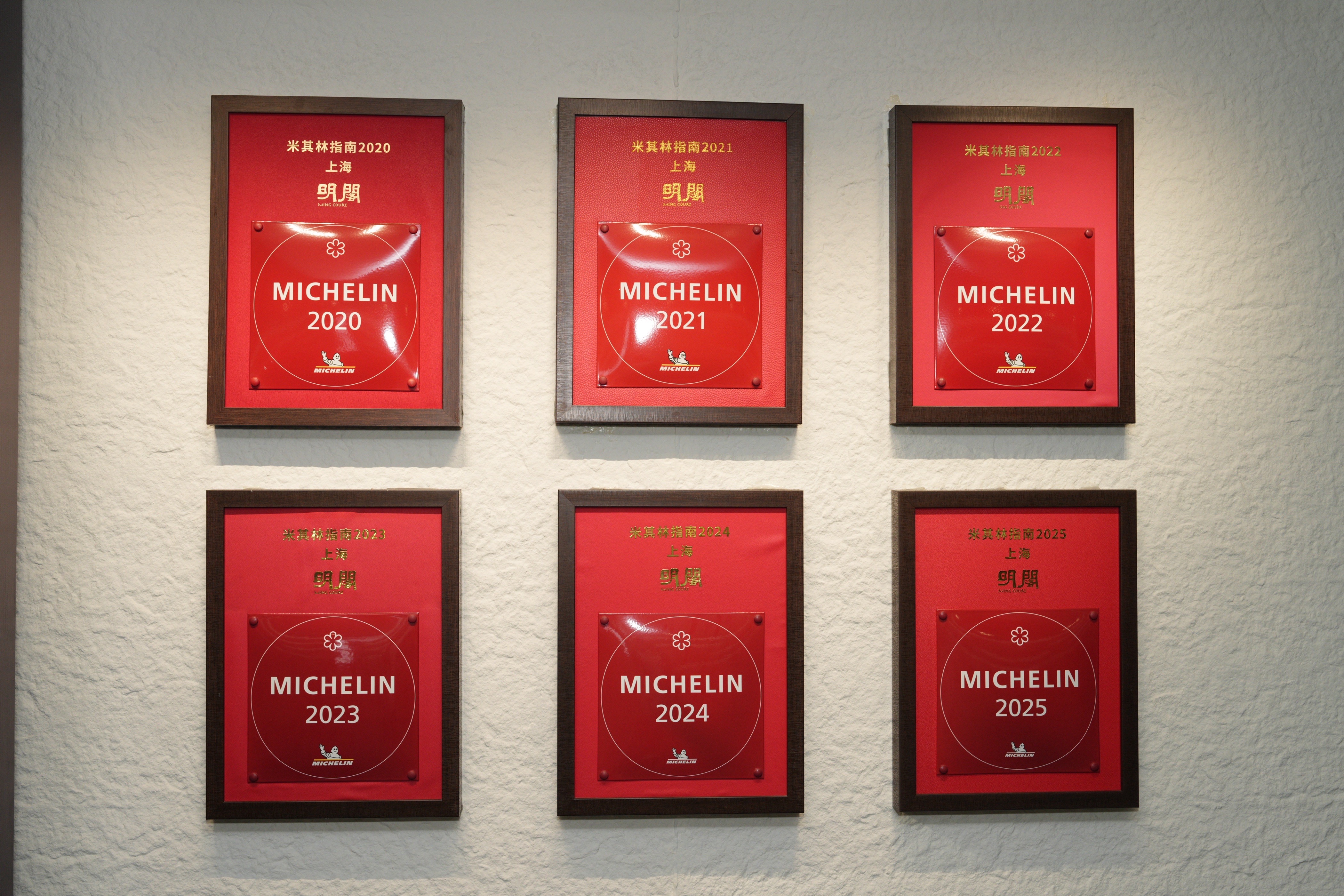
It was within this spirit that the evening took shape – a four-hands dinner collaboration between one-Michelin-starred Ming Court at Cordis Shanghai Hongqiao and Zhiguan Courtyard which is the world’s first Michelin-starred restaurant specialized in China’s northeastern regional cuisine, bringing together two philosophies from opposite ends of China, celebrating the beauty of boundless North and South.
Chef Qian Lin, Executive Chef of Ming Court, is acclaimed for his refined approach to Cantonese cuisine, weaving in the elegance of Shanghai flavors. Chef Chang Longshan of Zhiguan Courtyard, by contrast, channelled the unaffected character of Northeastern fare, drawing rich produce from the Changbai Mountains, the Bohai Sea, and the Liao River, and crafting dishes that spoke of land and sea, warmth and abundance and bringing out rich, umami-filled flavors.
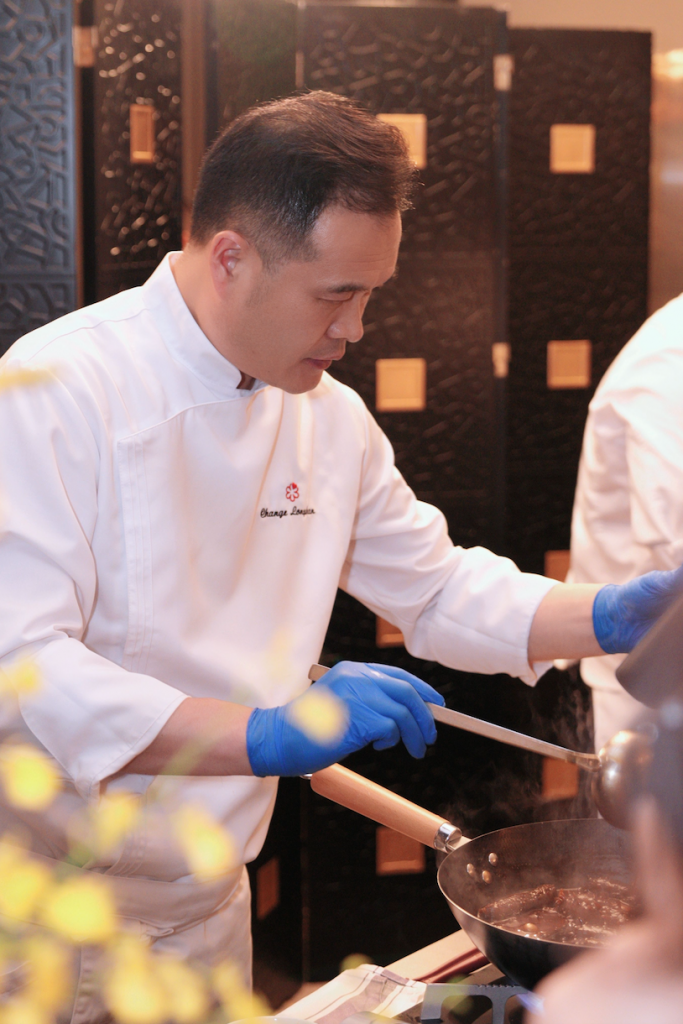
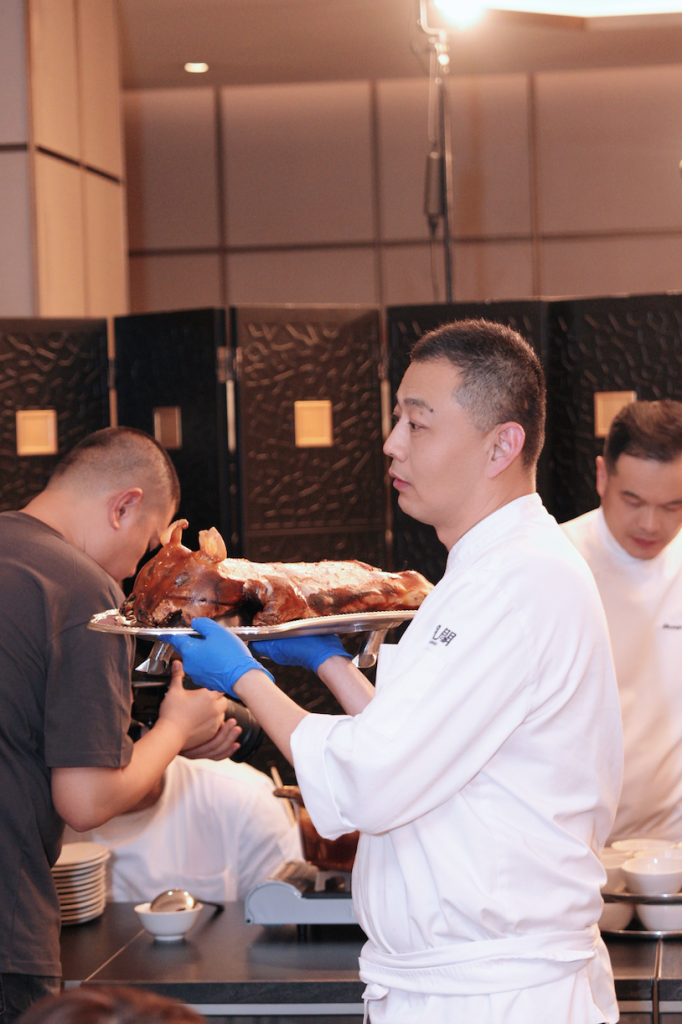
Together, the two chefs composed a menu that drifted like a journey through China’s diverse landscapes. Each dish was a love letter to its region, steeped in terroir and time. Flavors whisper of mountain fields and riverside kitchens, of hands that have shaped tradition for generations. Woven together, the courses created a feast that nourished not just the palate, but the heart – a humble comforting.
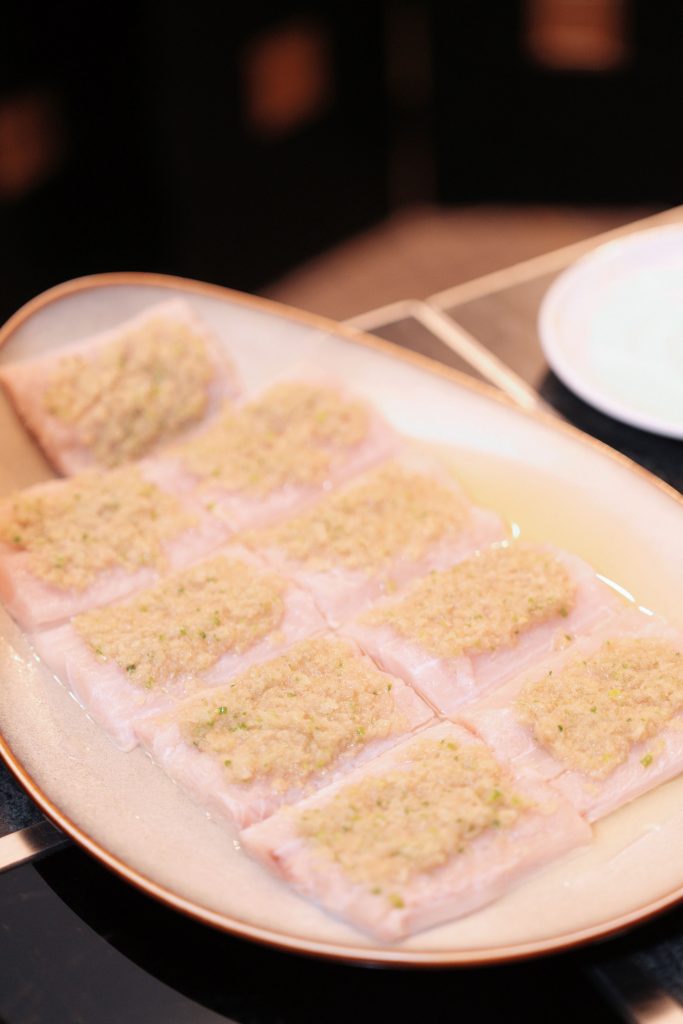
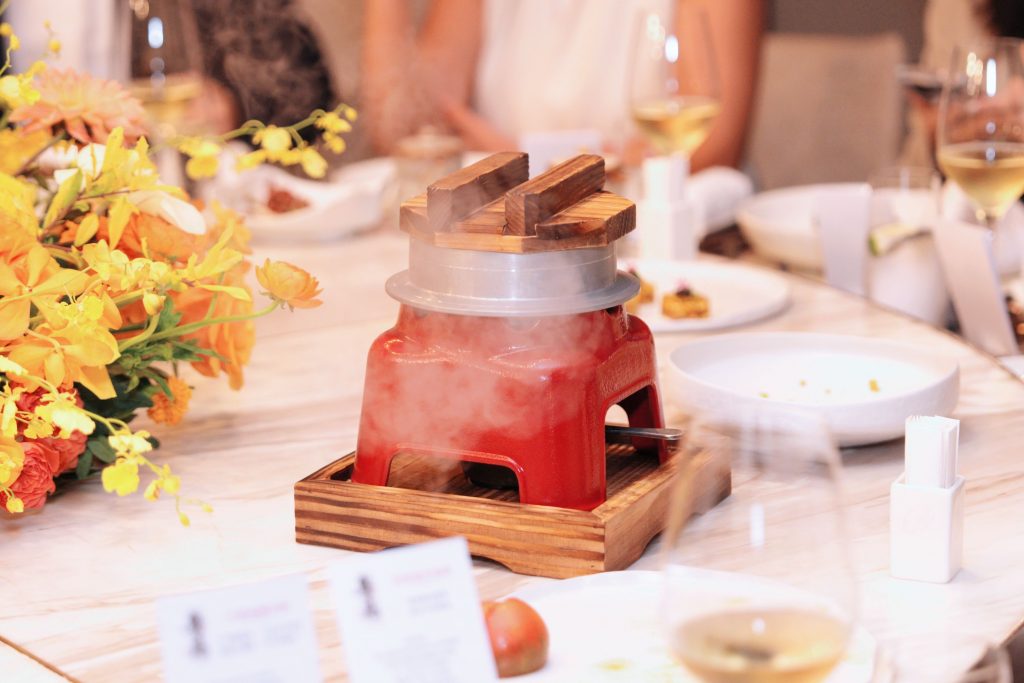
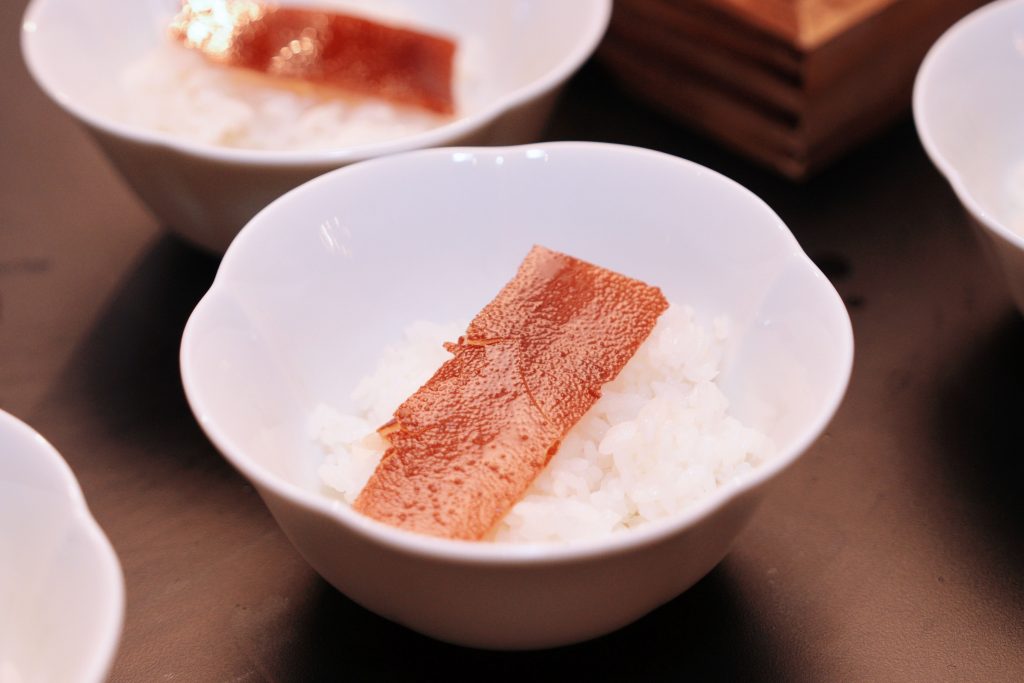
Highlights included ribbon fish from Bohai Bay with minced ginger and shallot paste marrying Cantonese aromatics with the oceanic freshness of northern waters, crispy suckling pig and shrimp-topped cabbage alongside rice from northeastern fields which combined crunch, tenderness in textures and uplifted by the umami perfume of shrimp oil, Panjin rice field crabs accompanied by crab meat dumplings, among others.
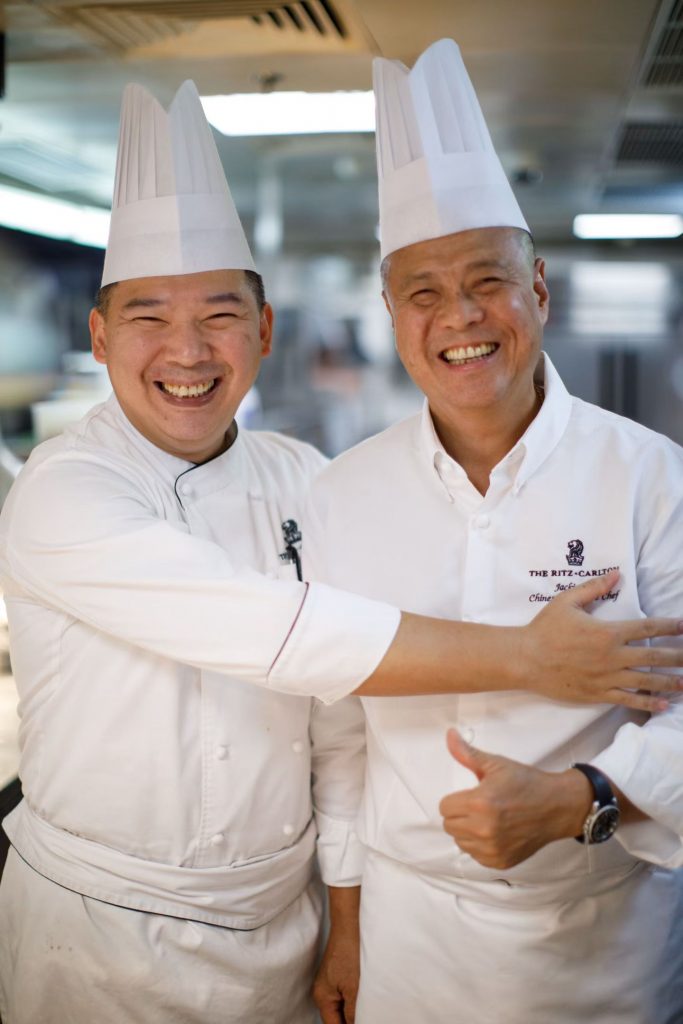
In another duet, one-starred Jin Xuan at The Ritz-Carlton Shanghai, Pudong, and Lai Heen at The Ritz-Carlton, Macau, presented “Stellar Gastronomy” with Chef Jackie Ho of Lai Heen and Chef Daniel Wong of Jin Xuan, together bringing over 70 years of culinary expertise giving a contemporary take on Cantonese classics.
Each dish told a story of heritage renewed, showing how Cantonese cuisine can honor the past in a creative way.
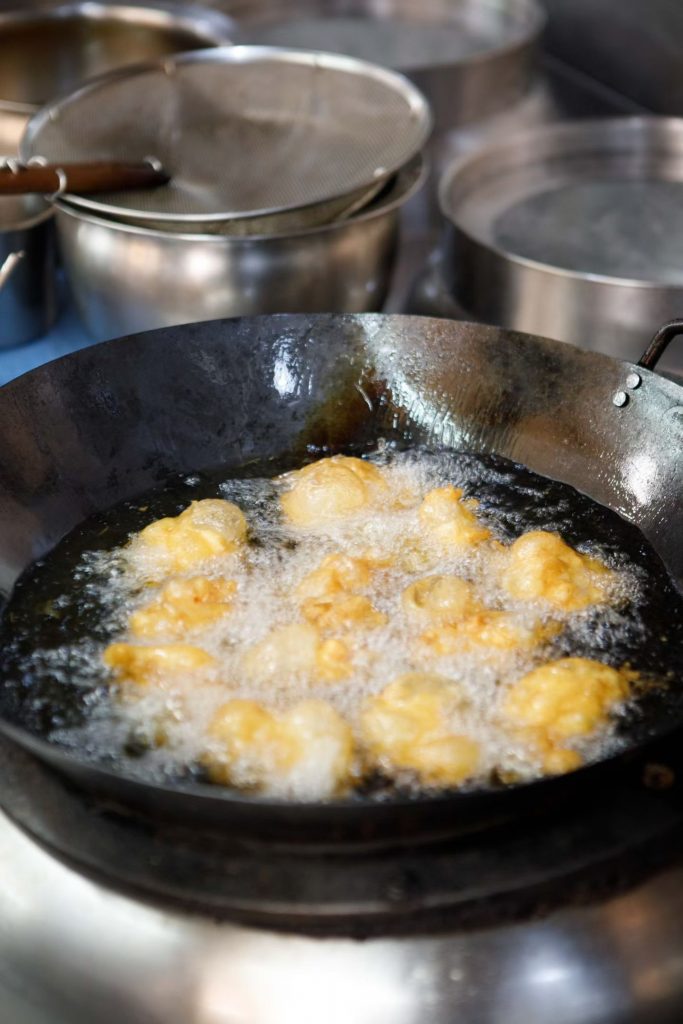
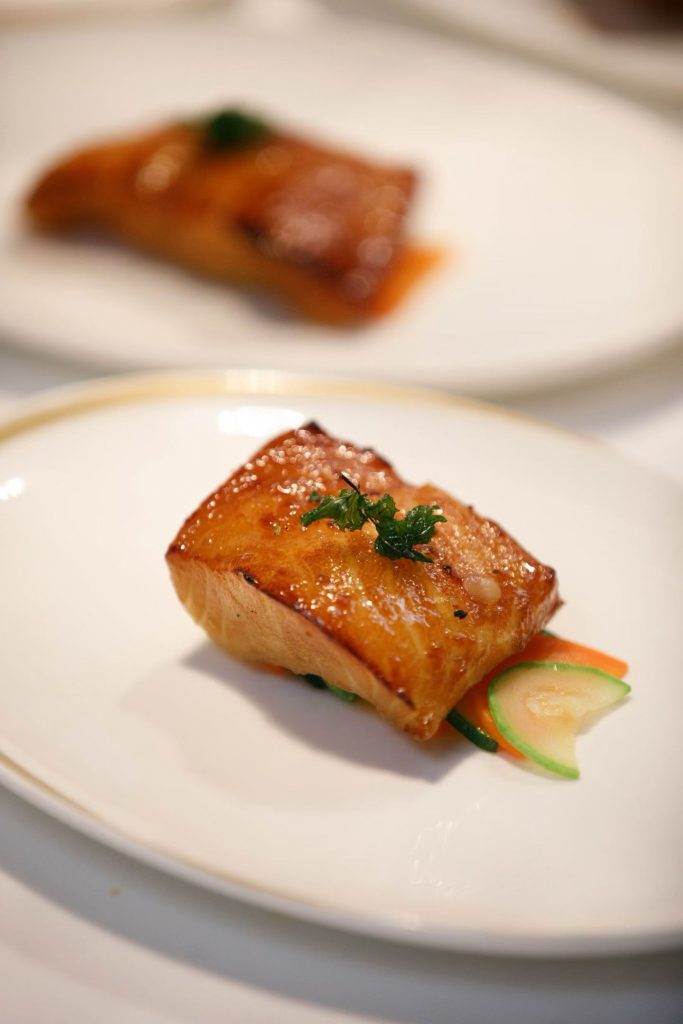
The golden sand crab roll, glistening in salted egg and golden sauce, crackled softly under the fork, feeling tender crab that melted on the tongue. The red mushroom and fish maw soup offered a velvety depth echoing classic Cantonese techniques.
And the crispy shrimp ball, wrapped in wisps of vermicelli, delivered a contrast of textures and a fragrant finish.
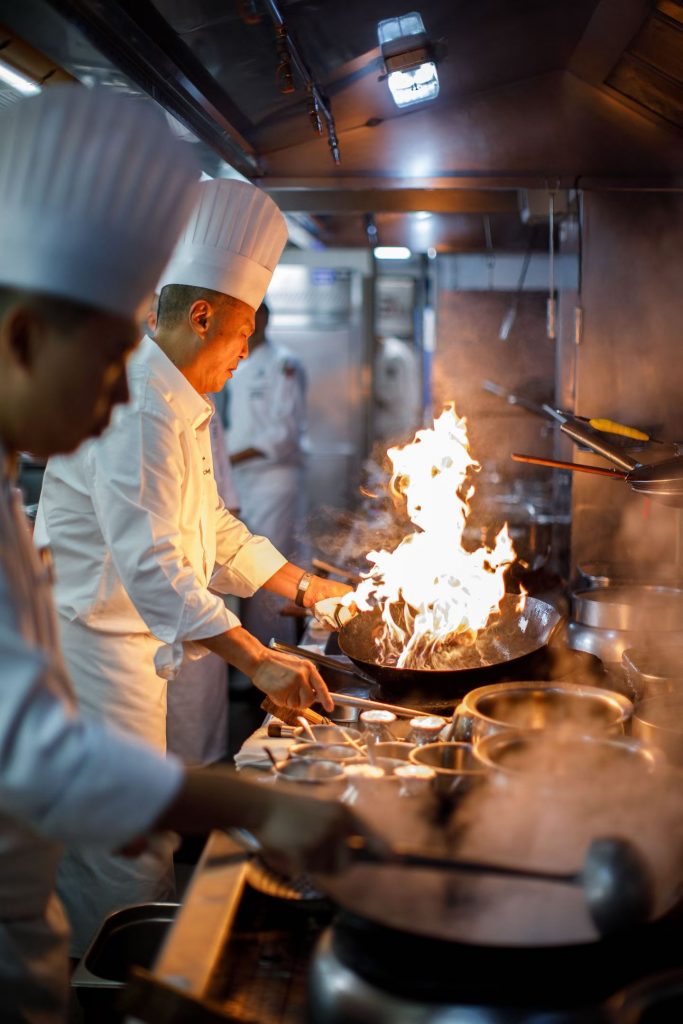
From the verdant South to the windswept North, from Shanghai to Macau, Cantonese cuisine is shedding convention, reinventing itself, and standing ready to be discovered anew.