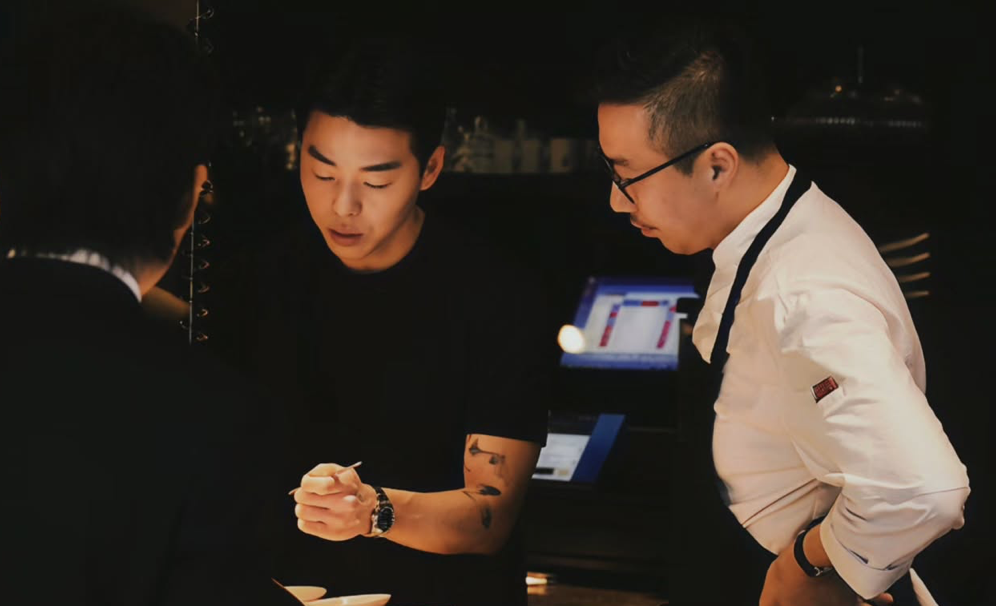
For nearly a decade, Chef-proprietor Tom Ryu of NABI has called Shanghai home, refreshing the city’s Korean culinary landscape.
From his early days at the now-closed Jeju restaurant to the Black Pearl One-Diamond NABI and its sibling restaurant WULI, he has constantly bridged traditional Korean flavors with contemporary aesthetics, contributing to the broader global ascent of Korean food culture.
NABI, the Korean word for butterfly, signals transformation, grace, and renewal – a metaphor for the restaurant’s philosophy. Since opening in early 2024 on the second floor of WYSH on Wuyi Road, NABI has rapidly established itself as one of Shanghai’s most coveted reservations. Its inclusion in the Tatler Asia Top 100 Restaurants list and fully-booked seatings attest not only to its technical precision, but also to the growing international appetite for progressive Korean cuisine.
Over the past year, Chef Ryu has further expanded his vision, collaborating with top chefs from South Korea. These cross-border conversations have offered Shanghai diners insights into the gastronomic identity in South Korea.
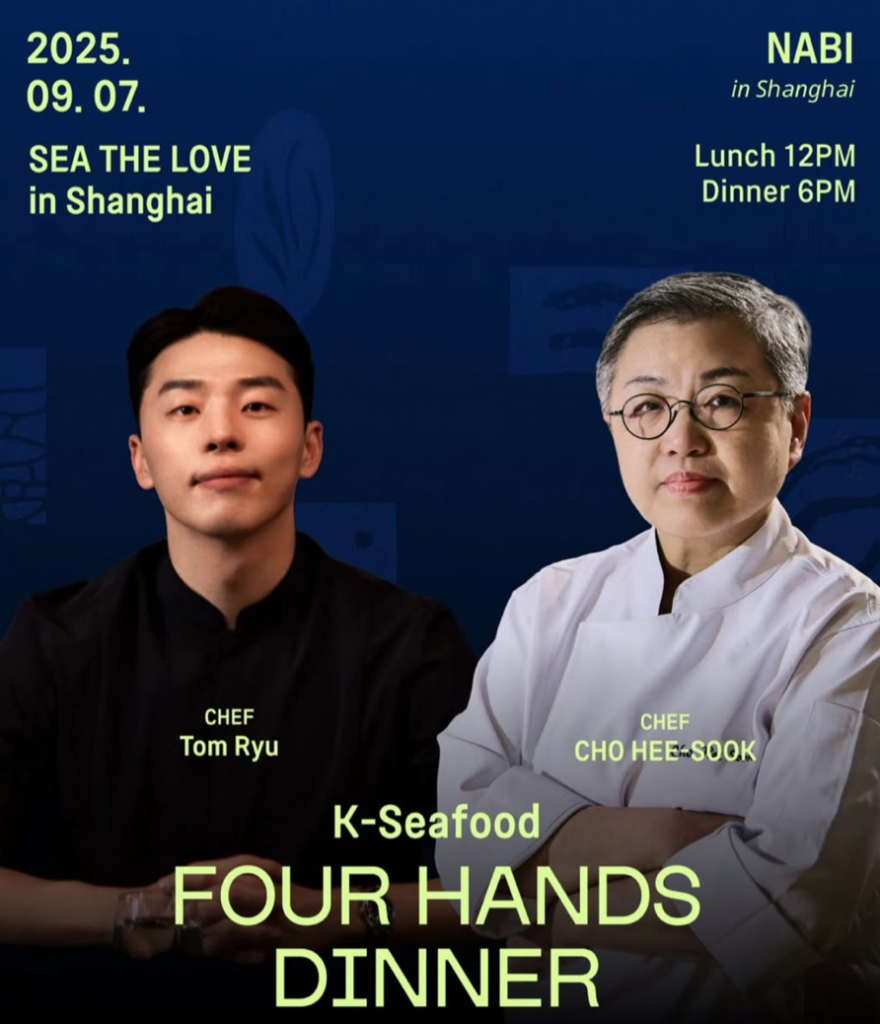
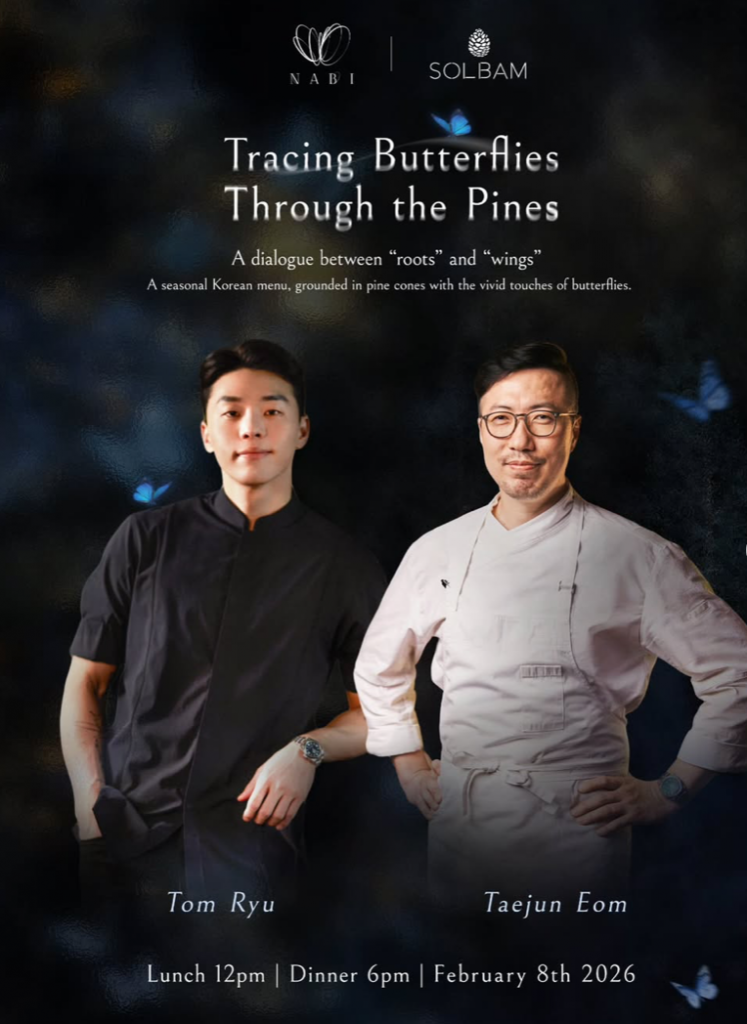
Two major collaborative events – one with Chef Cho Hee-Sook, known as “the Godmother of Korean cuisine”, and another with Chef Taejun Eom of Michelin-starred Solbam – illustrated Chef Ryu’s vision for Korean cuisine, which is preserving tradition while pushing boundaries to bring Korean food into a dynamic modern context.
An homepage to the tradition
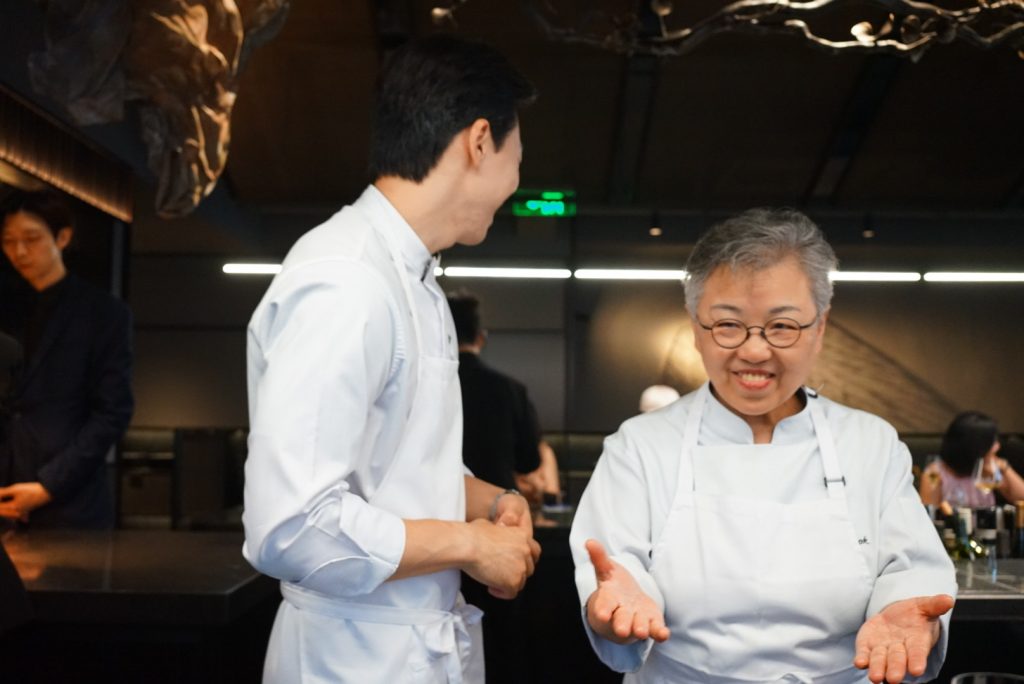
Last autumn, NABI had teamed up with Chef Cho for an immersive, sustainability-driven dinner titled SEA THE LOVE.
With over 40 years of expertise, Chef Cho has been regarded as one of the most respected chefs for Korea’s culinary heritage. She won the title of Asia’s Best Female Chef in 2020, and subsequently, she was the winner of Seoul’s inaugural MICHELIN Mentor Chef Award 2021.
Together, they sought to illuminate Korea’s culinary legacy of the past and the present, foregrounding the cultural ties to sea, meanwhile adding a whisk of time-honored and unpolished beauty for NABI.
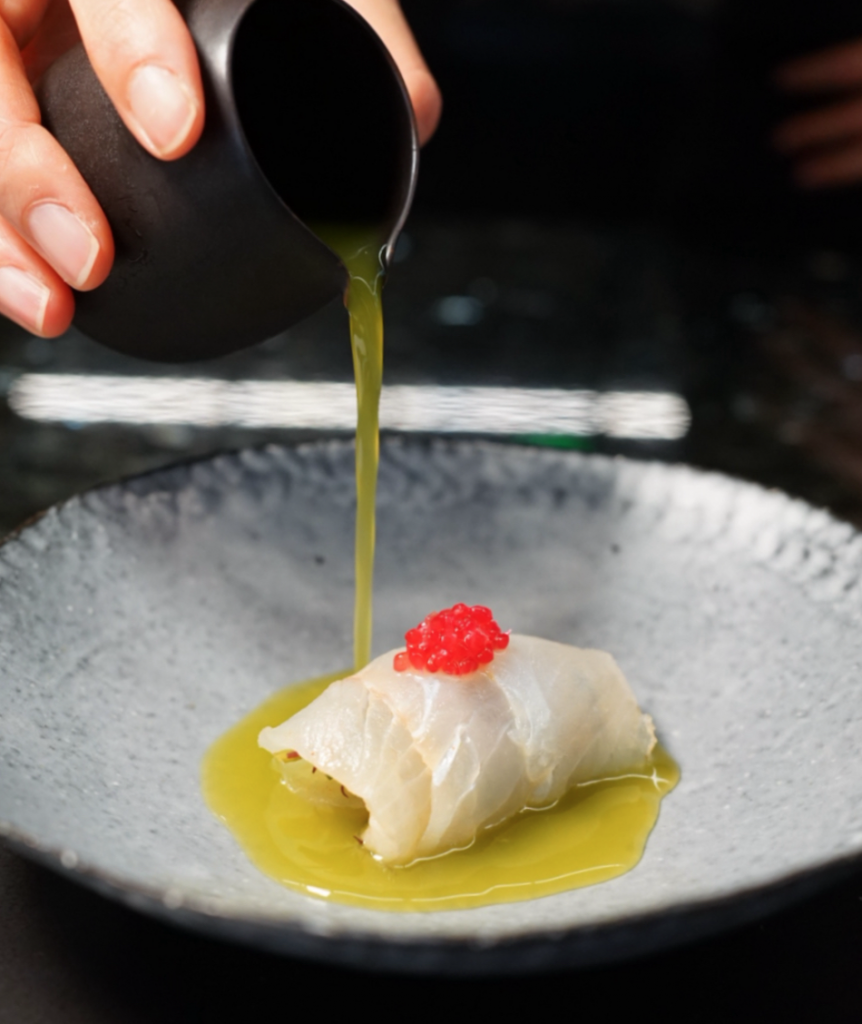
The collaborative menu featured the pristine flavors of Korean seafood, combined with a commitment to sustainability. All ingredients were sourced from MSC-certified sustainable fisheries, highlighting oceanic abundance and environmental responsibility.
It also honored the artisans, including Grand Noodle – quality perfected with the craftsmanship of Master Kim Hyun-Kyu who has over 40 years of expertise, and Deokhwa which uses MSC-certified pollock roe to support sustainable oceans.
Among highlights had Jeju flatfish paired with seaweed, abalone crowned with delicately steamed sea urchin, and mackerel roe folded into rice, an expression of Korea’s enduring reverence for grain and tide.
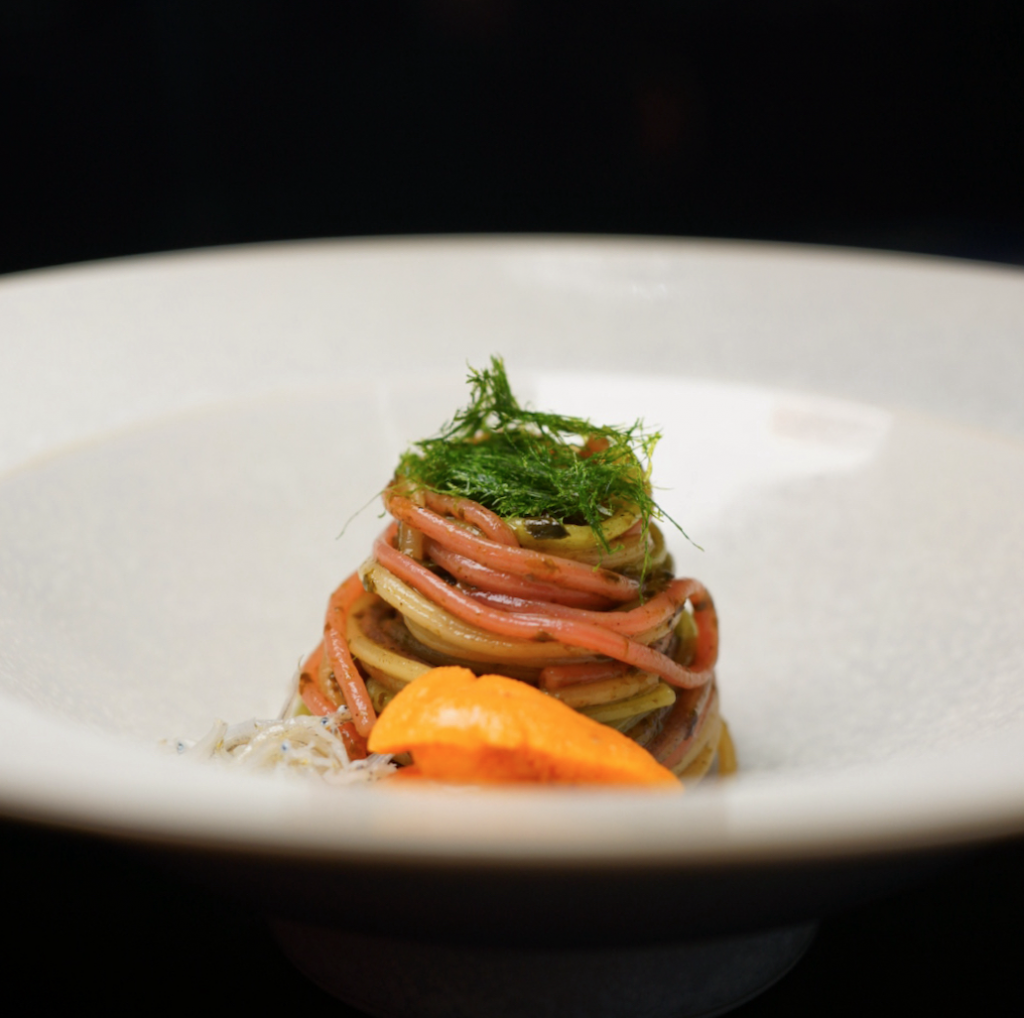
Shanghai-style yellow croaker dumplings reinterpreted with traditional Korean fish-skin techniques, the dish presented by Chef Cho subtly weaved the culinary vocabularies of China and South Korea.
Another standout, gujeolpan – a royal court dish from the Joseon dynasty – is composed of a platter of nine varieties of assorted on a nine-compartment wooden tray, showing harmony, balance in synergy with Eastern philosophical ideals.
Reinvention with new generations
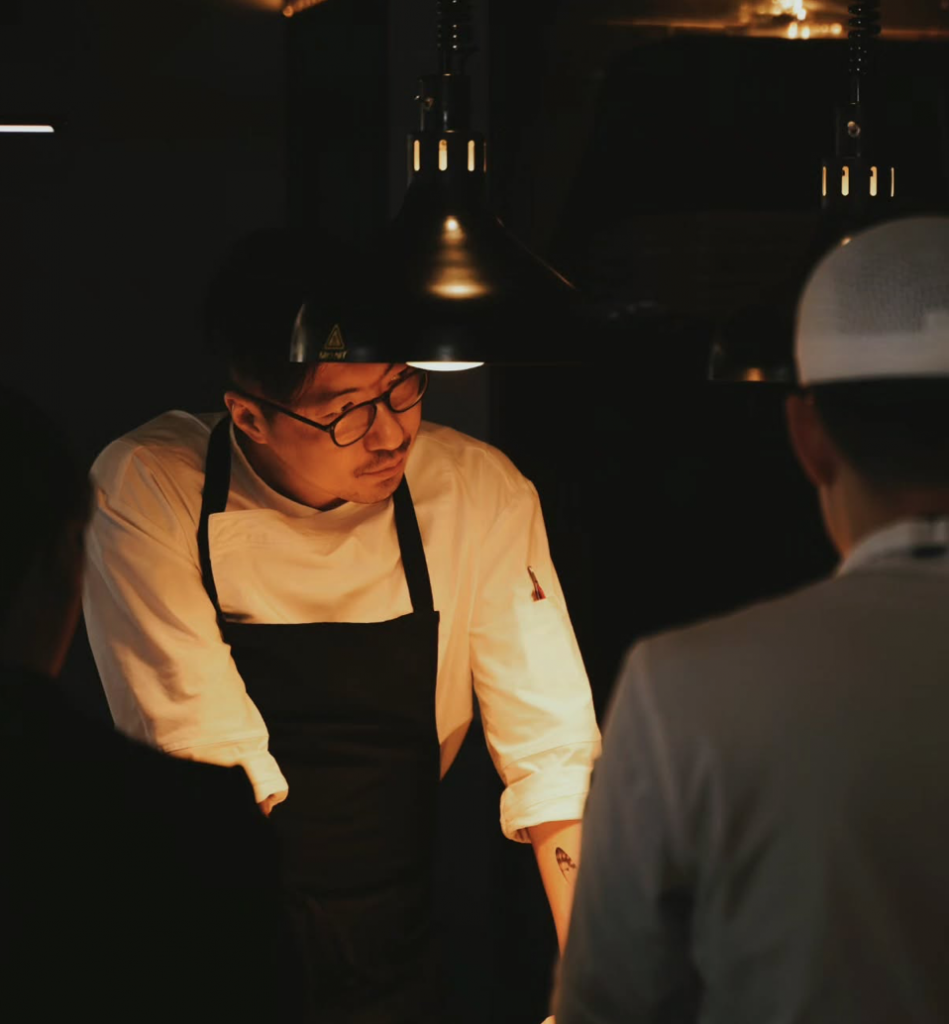
If the collaboration with Chef Cho was an homage to lineage, Ryu’s collaboration with Chef Taejun Eom of Michelin-starred Solbam represented a forward surge into new terrain.
Themed on Tracing Butterflies Through the Pines, the collaboration event explored the notion of roots and wings, a symbol for modern Korean cuisine’s tradition and reinvention.
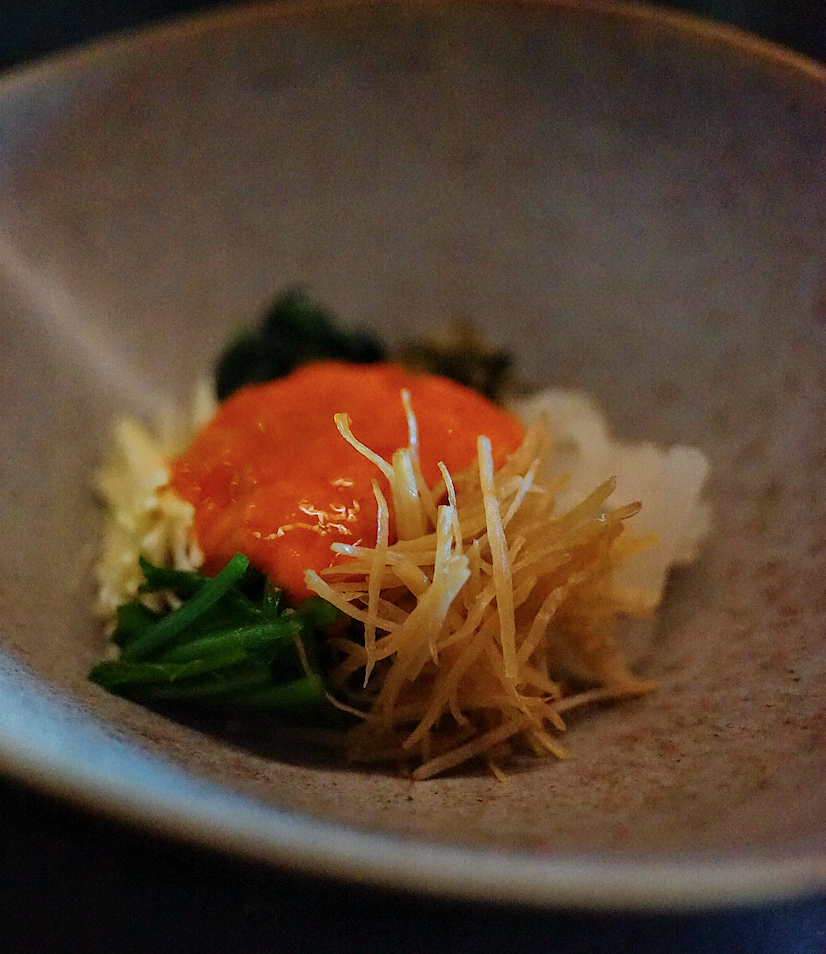
Ryu has known Chef Eom for a long time, inspired by fine-dining experiences early in his career. Their reunion in Shanghai kicked off with natural synergy, merging meticulous technique with shared perspectives on Korean cuisine.
One of the co-creations, silkie chicken accented with fermented rice, featured the art of Korean fermentation.
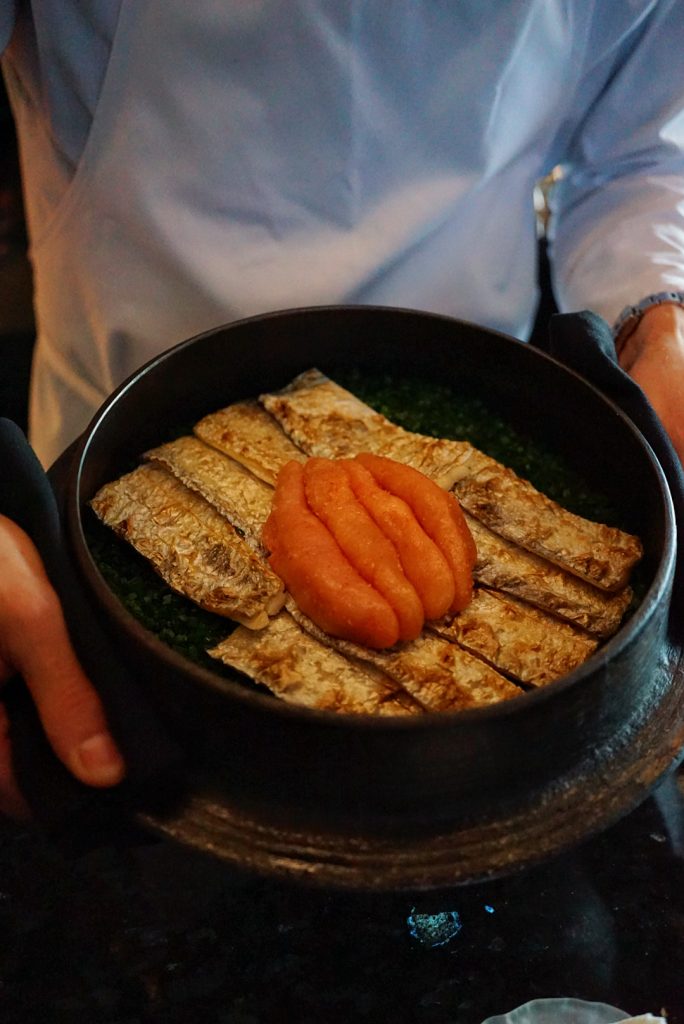
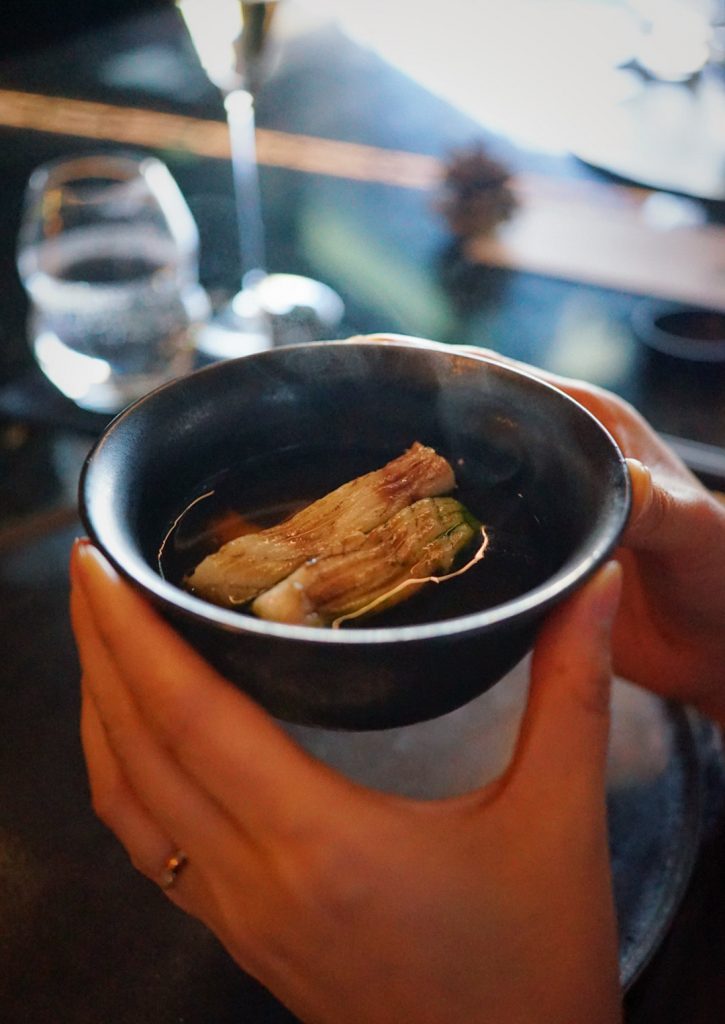
In a resonant gesture of culinary exchange, Chef Ryu created a chicken soup inspired by the iconic Chinese dish Buddha Jumps Over the Wall, enriching the broth with Korean and Chinese elements, such as yellow croaker, bamboo fungus, and herbal medicines.
A powerful showcase of today’s Korean culinary scene, this feast mirroed a new-generation of chefs unbound by geography, reimagining the heritage and carrying Korean cuisine onto the globe.
From NABI to the future of Korean cuisine
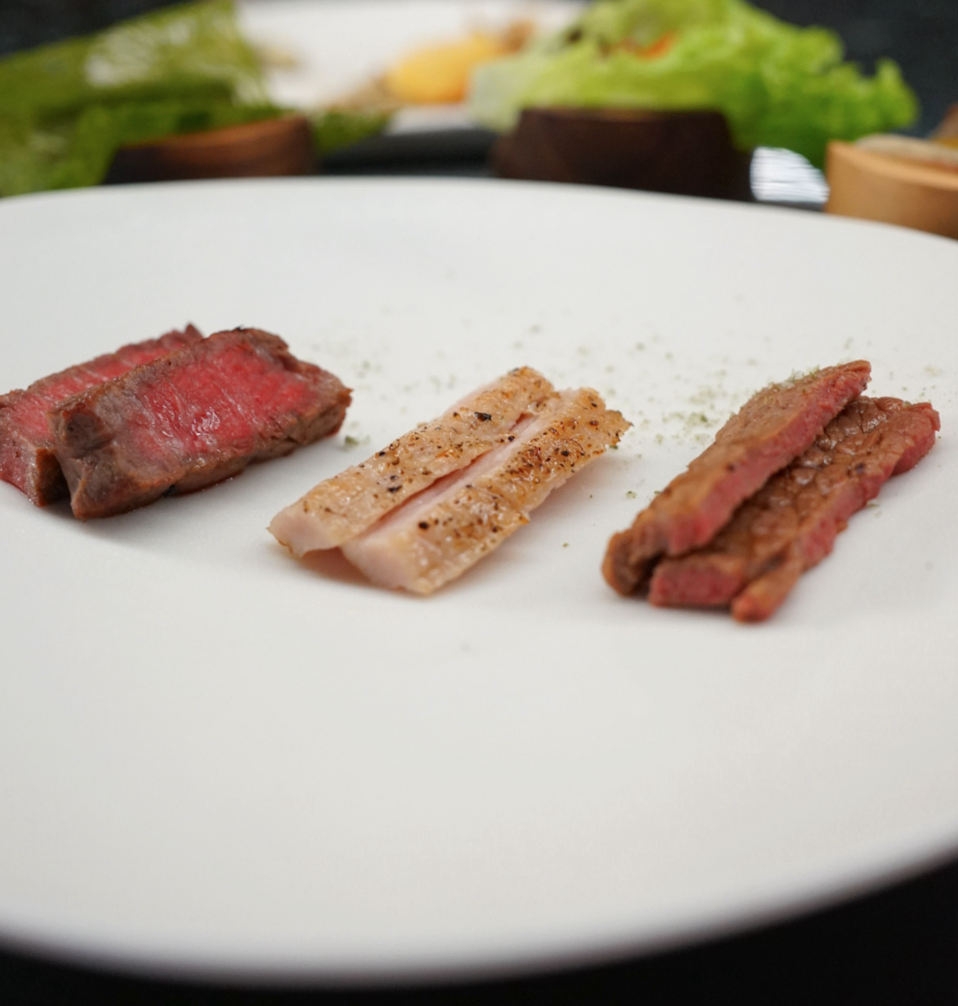
As a bridge linking the two cultures, NABI brings the tradition and contemporary energy of Korean gastronomy to life in Shanghai.
In Chef Ryu’s homeland, the South Korean government is advancing the culinary rise through strategic initiatives, including the launch of Sura School in the second half of 2026 to cultivate foreign culinary talents working in traditional Korean cuisine, and the designation of 30 global K-food hubs to expand exports and cultural reach.
With policy support, educational investment, and a new generation of boundary-pushing chefs, the global Korean food market is projected to reach $57 billion by 2030, with China as one of its key growth engines.
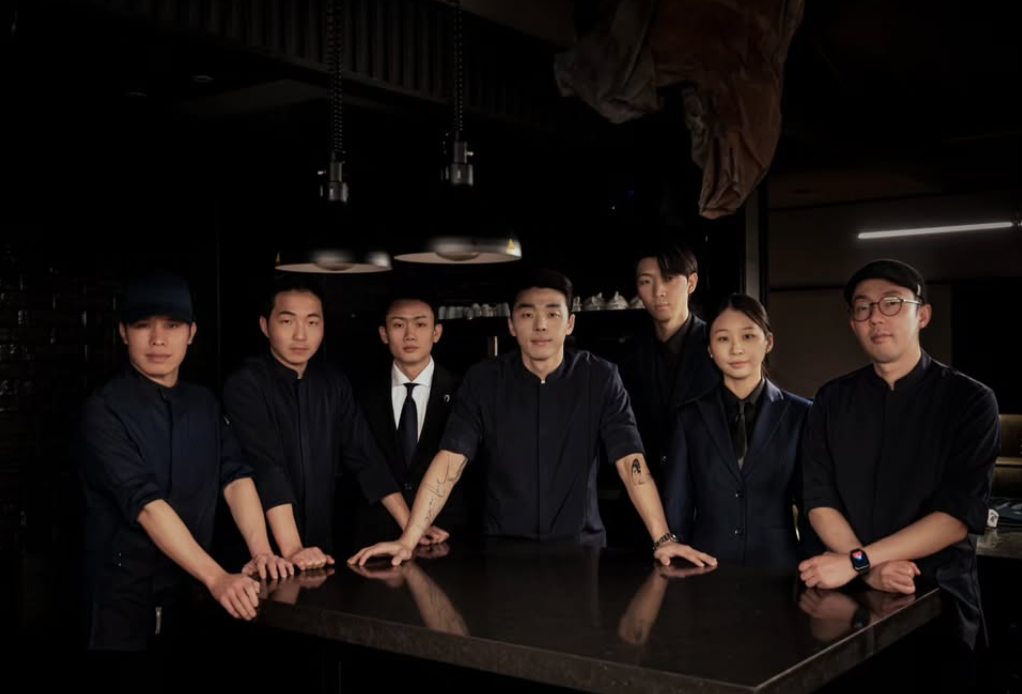
As innovation deepens and cross-cultural exchange accelerates, Korean gastronomy is ready for greater global influence. Benefited from that NABI may play a pivotal role.