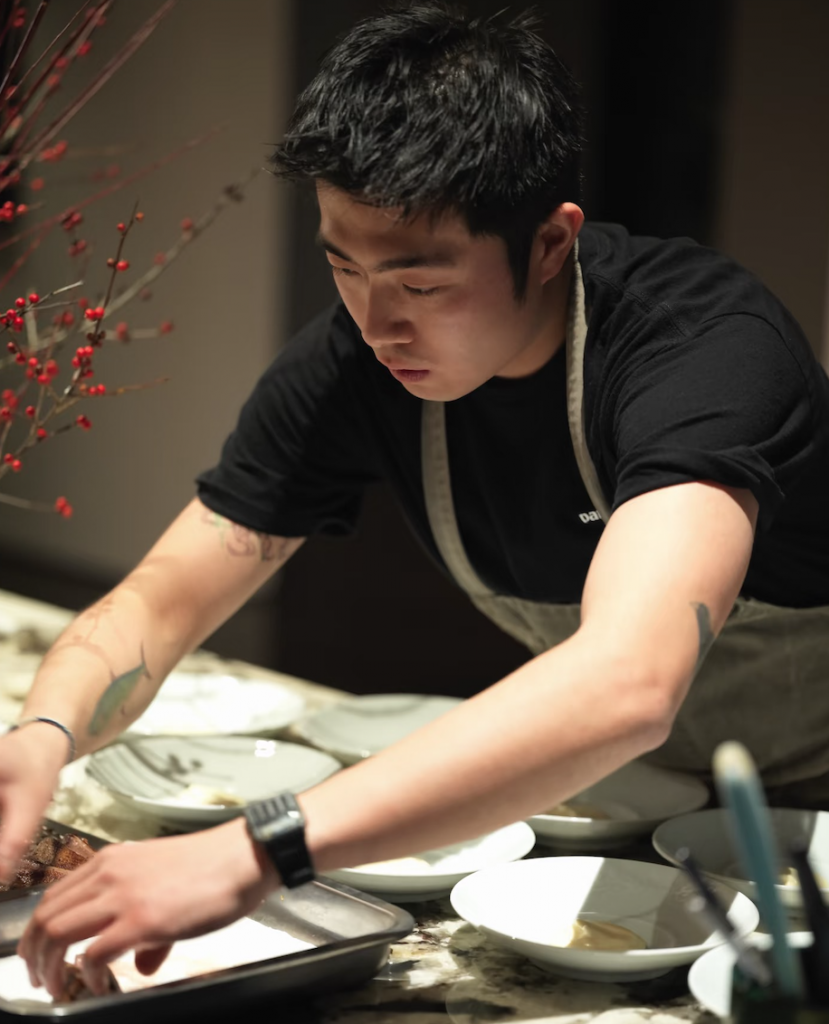
In today’s dining world, the path to be a chef might be prewritten, including elite culinary schools, top-tier kitchen experiences, and time spent under celebrated mentors. These credentials have become the default markers of credibility – proof of both skills and powers in such a competitive industry.
However, not everyone follows that script. Chef Benjamin is one of the exceptions. A largely self-taught, instinct-driven chef, he built his career from the ground up – starting in a private kitchen and eventually opening his own restaurant, RONG.
Without formal training or a conventional résumé, his cooking developed outside the usual system. His approach to Chinese cuisine is fluid, and his interpretation of fusion is thoughtful and distinctly his own.
Learn without a script
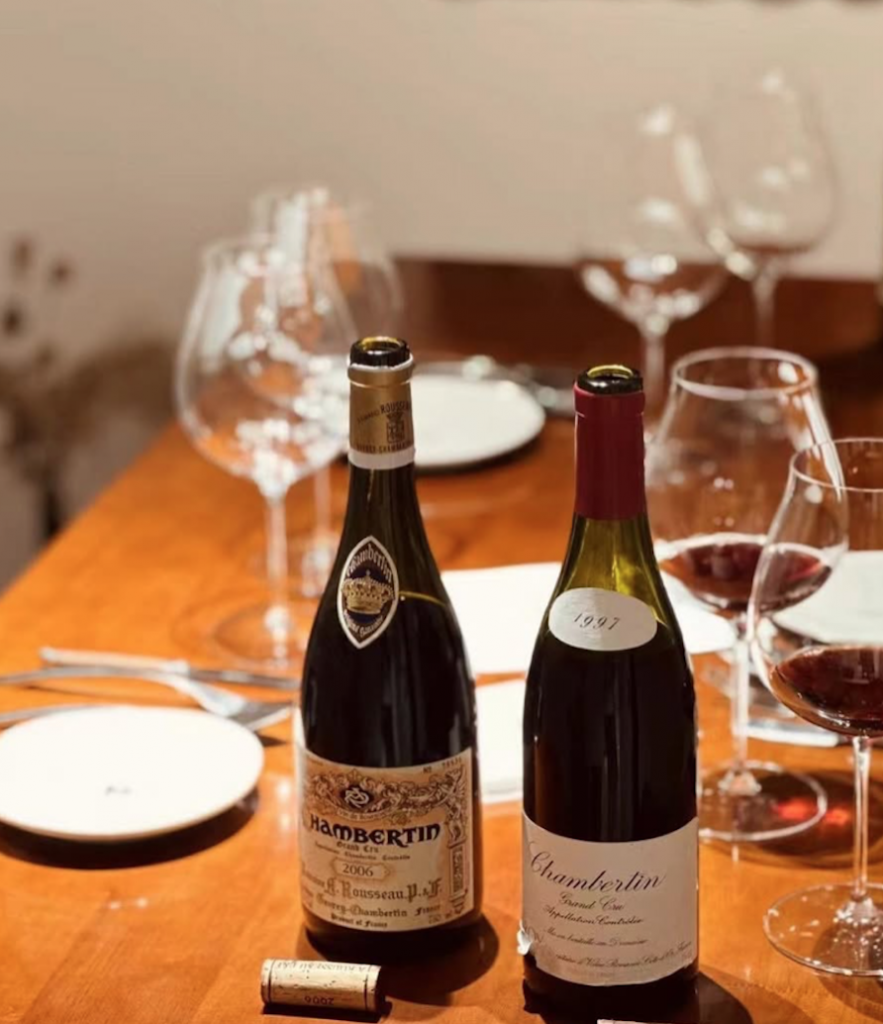
A few years ago Chef Benjamin worked in a hard-to-find private kitchen on South Xiangyang Road.
He was just 24, newly starting out – bright and easygoing, yet more composed than most his age. He had no formal training, only a genuine love of cooking. His family, fortunately, gave him the freedom to pursue it – to try, to experiment, and to find his own way.
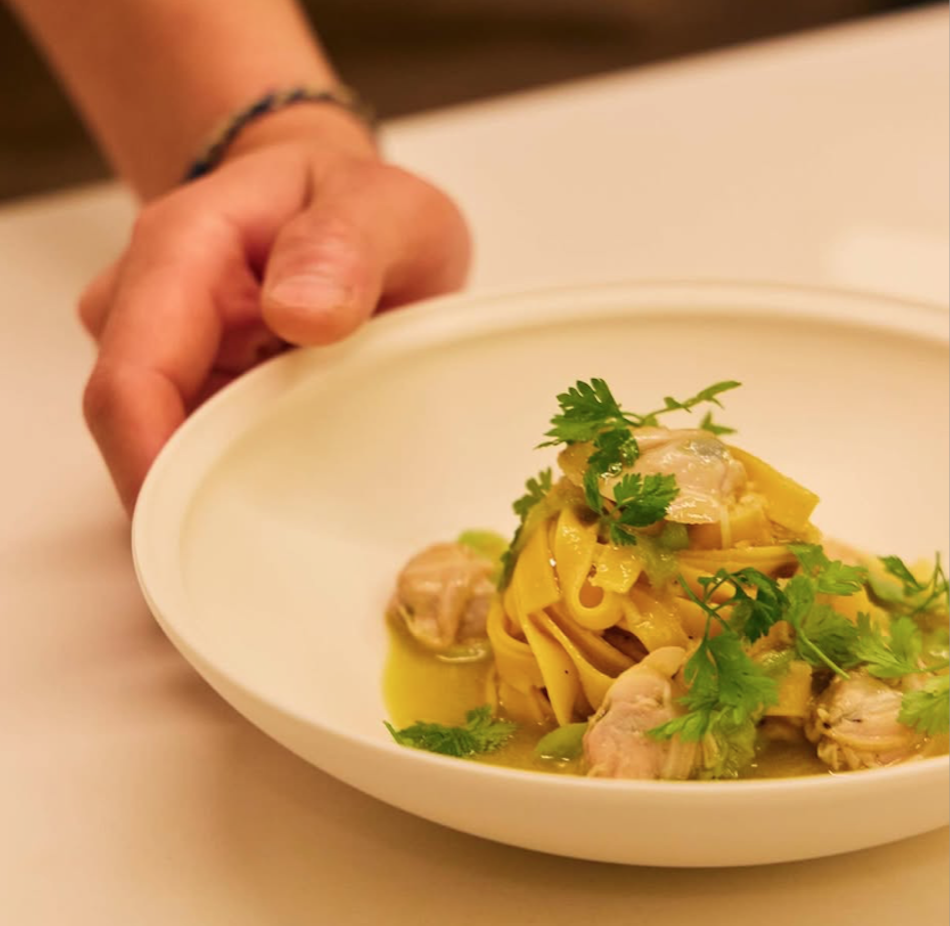
In the restaurant world, the label “young chef” often comes with a familiar set of credentials – culinary school, top kitchens, notable mentors. Benjamin had none of these, and he was aware that his path would not be easy.
At the time, a new wave of modern Chinese cuisine was emerging. What he wanted to do simply was to work with familiar and unassuming Chinese ingredients and bring to them a sense of creativity. His private kitchen was small yet intimate and well received.
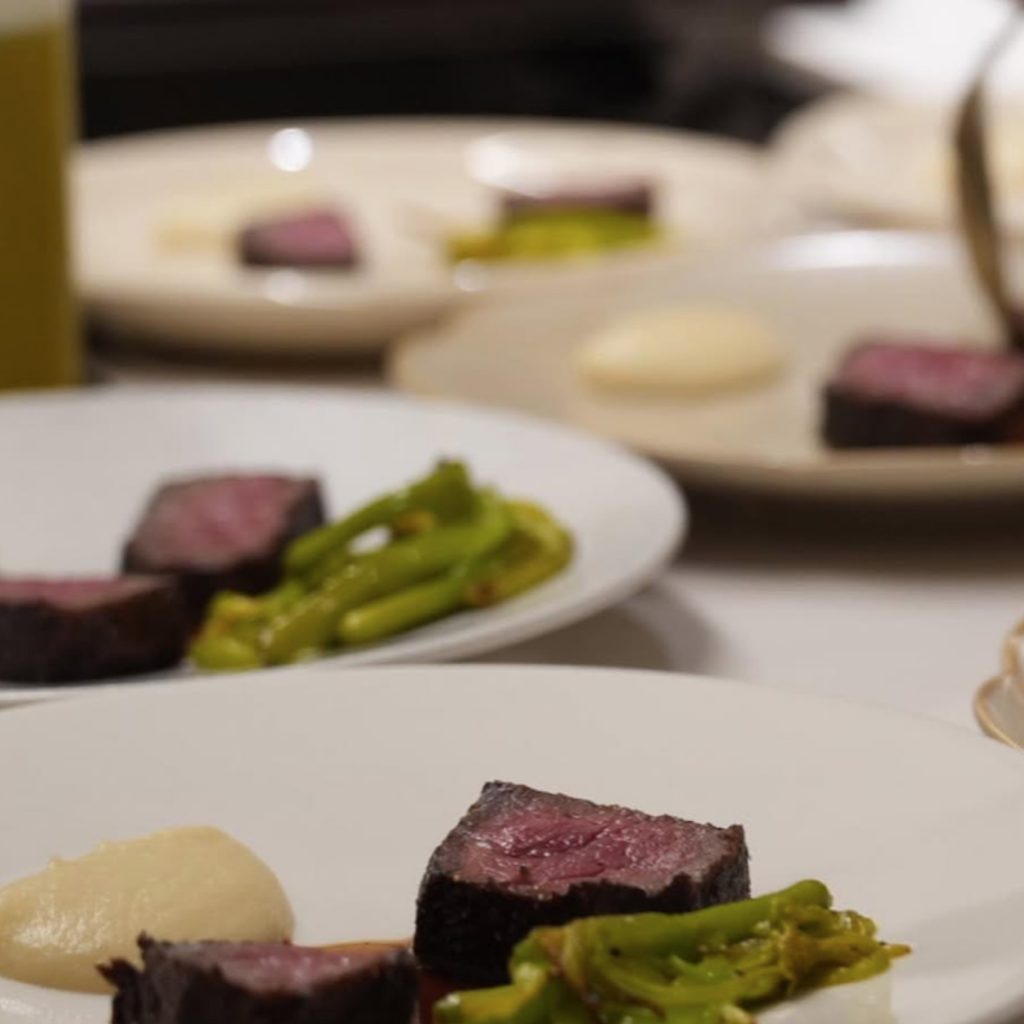
Then came the fluctuations in Shanghai’s dining scene, and his business rose and fell with it. He considered joining established kitchens to gain experience, but it didn’t happen. Then he stayed the course, working steadily.
Until one day late last year, he decided to open a restaurant of his own. There was no outside backing, only just his savings, determination, and time.
When asked why he answered: “I’ve always wanted to open a restaurant.”
Still young, but clear in direction – and willing to build it, step by step.
The shape of RONG
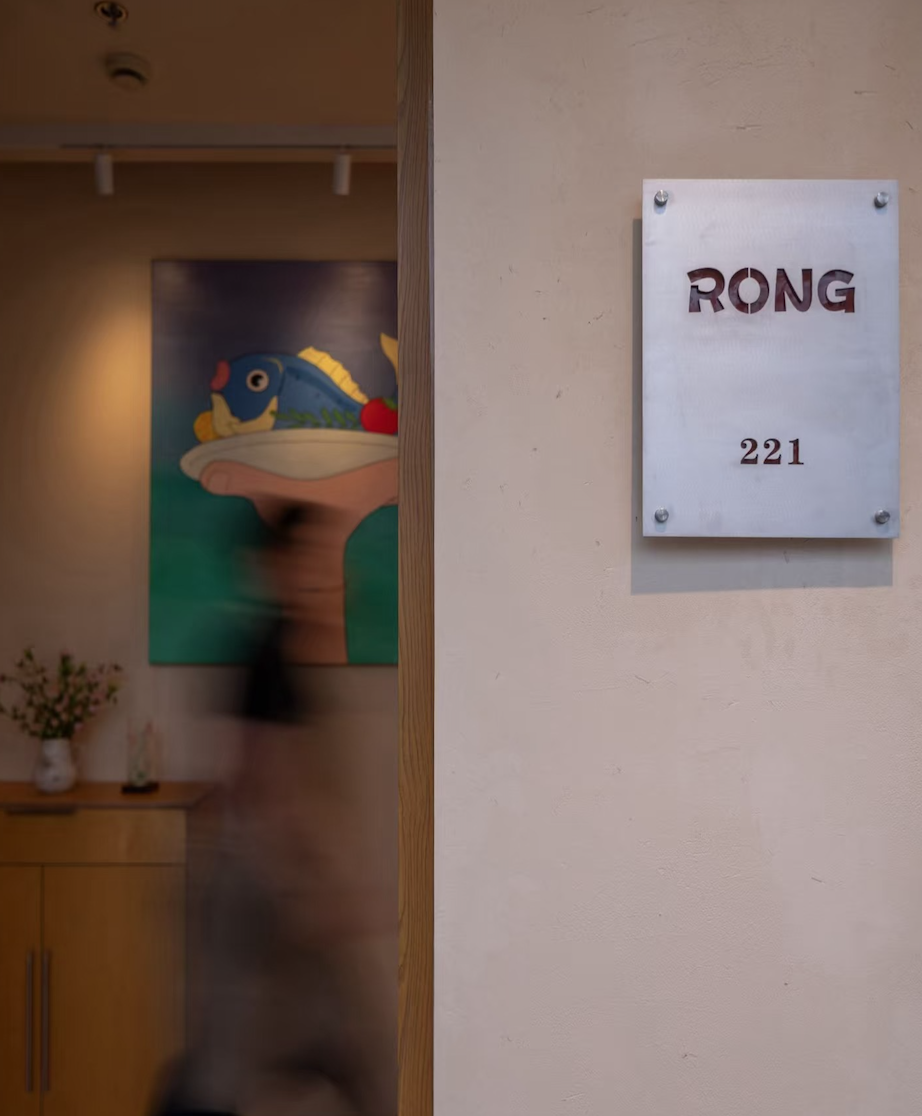
RONG sits just beside Capella Shanghai, in a neighborhood Benjamin has long been drawn to. He focused his search entirely on this area, and when he found the space, the decision came immediately. A lemon tree stands at the entrance, catching the sunlight and drawing the eye – passersby often pause for a second look. The façade is adorned with warm wood and wide glass windows, more reminiscent of a quiet café.
Inside, the first thing you notice is a painting which is a gift from a guest during his private kitchen days. The space feels clean, warm, and welcoming. A small, open kitchen adds intimacy, reflecting Benjamin’s bright and approachable characters.
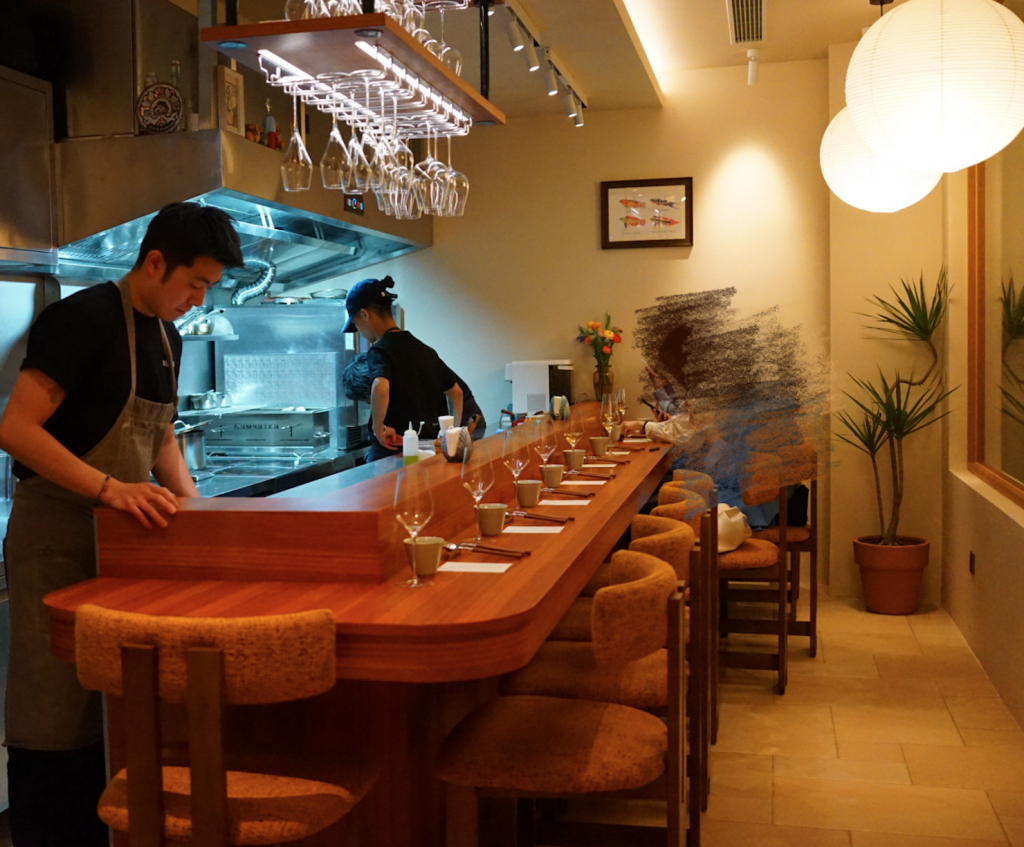
“You don’t come from a formal background, and you don’t have experience in major kitchens. In a city as competitive as Shanghai, are you confident?”
“Yes, but I’ll start first and figure it out,” admitted him.
While his ideas are inventive and playful, they are grounded in structure. Priced at about 880 yuan ($116), the debut menu is organized into four sections that guide diners through his culinary vision.
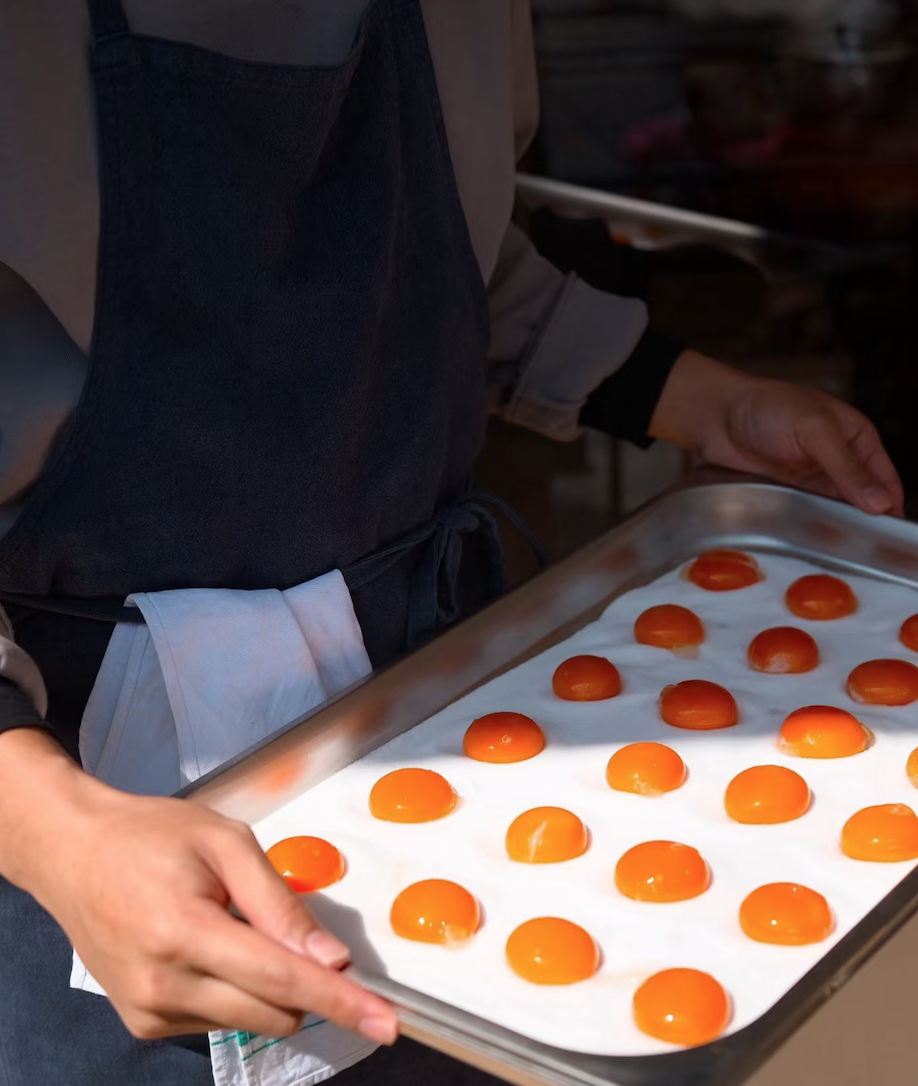
The reunion of western and Chinese elements sets the tone. Familiar ingredients – beef, apple, squid, tomato, and cucumber flower – are reworked with a focus on harmony. A beef tart is paired with a crisp spring roll, lifted by a fermented tofu sauce. Another standout brings together foie gras and Chinese youtiao (aka fried dough ticks), enriched with salted egg yolk and finished with a touch of chili and a hint of lemon zest.
The use of everyday Chinese youtiao instead of bread echoes street food meets refinement.
Why youtiao?
“I don’t want to use bread. I want to cook with things that belong to China and Asia,” he said. Flavors drawn from daily life like street snacks and pastries reappear in his dishes, reworked but still recognizable.
Next comes a chapter with gentle, comforting warmth. Ham and dried scallops with sweet peas are slow-simmered in chicken broth. The flavors build gradually, without the need for heavy seasoning.
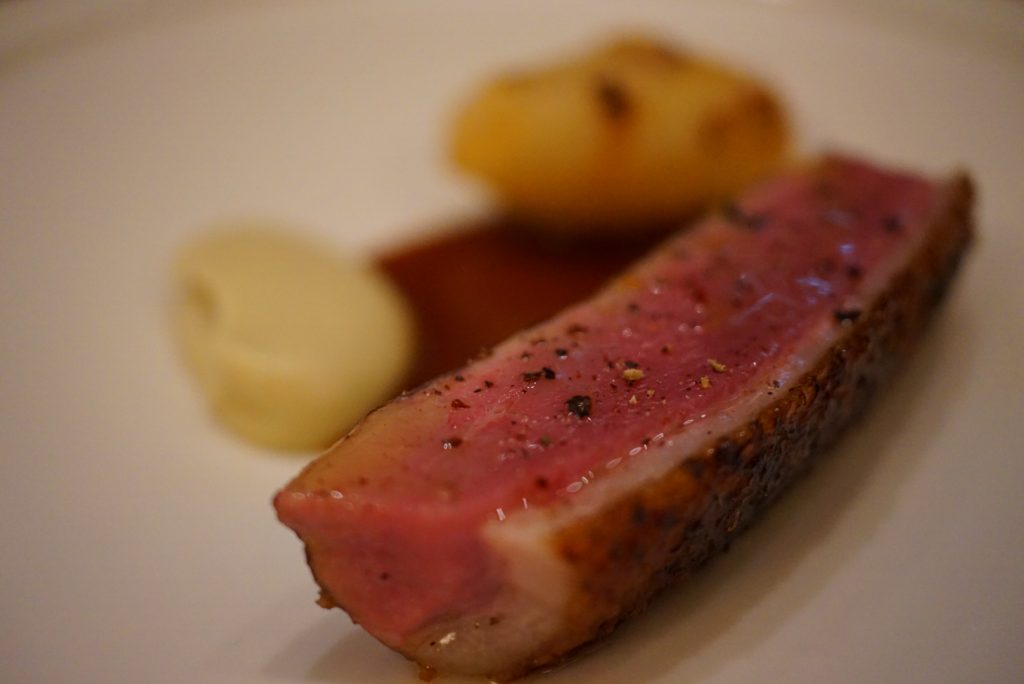
The third chapter takes us on a journey through seasonality, locality, and the delights of nature. Pomfret from East China Sea is tender, kissed by a sweet, aromatic Chinese yellow wine dressing that enhances its natural sweetness.
The final section reveals the genuine essence of flavors. Rice, soaked in a broth and served with pickled greens and water bamboo, is simple yet comforting. Dessert – hawthorn with meringue and tamarillo – finishes on a clean, refreshing note.

In a world driven by credentials and visibility, a young chef carves his own path, forging his voice over time and turning persistence into something tangible. From early explorations of new Chinese cuisine to a commitment to local ingredients and cultural memory, Benjamin’s vision has grown sharper. He said that there is still more to learn.