Luxury, once weighed by rare materials and sky-high price tags, now finds its value in cycles of reuse and enduring commitment.
The definition of luxury is evolving. It’s no longer just the gleam of exotic leather in a boutique window, nor is it measured only by the digits on a price tag. A greater value is emerging – one that embraces time, responsibility and connection between people and the planet.
As the industry sheds its devotion to scarcity, a new philosophy comes up. Sustainability, circularity and warmth are the new markers of prestige. Gucci breathes new life into heritage pieces, and Burberry reimagines fabrics to challenge convention, as well as LVMH invests in green supply chains and other brands adopt low-carbon practices.
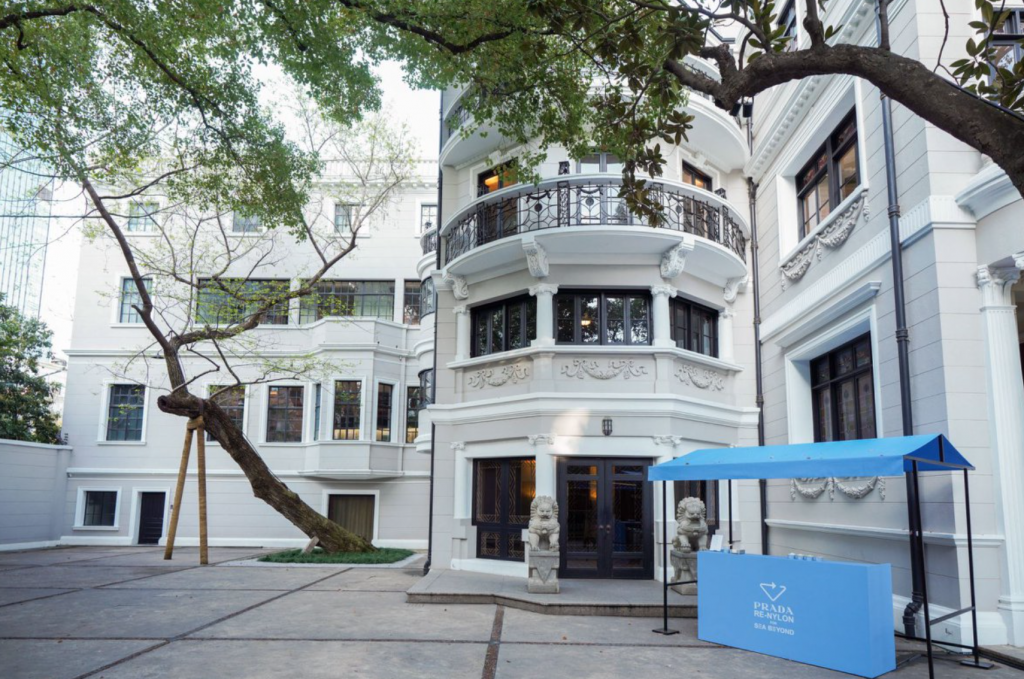
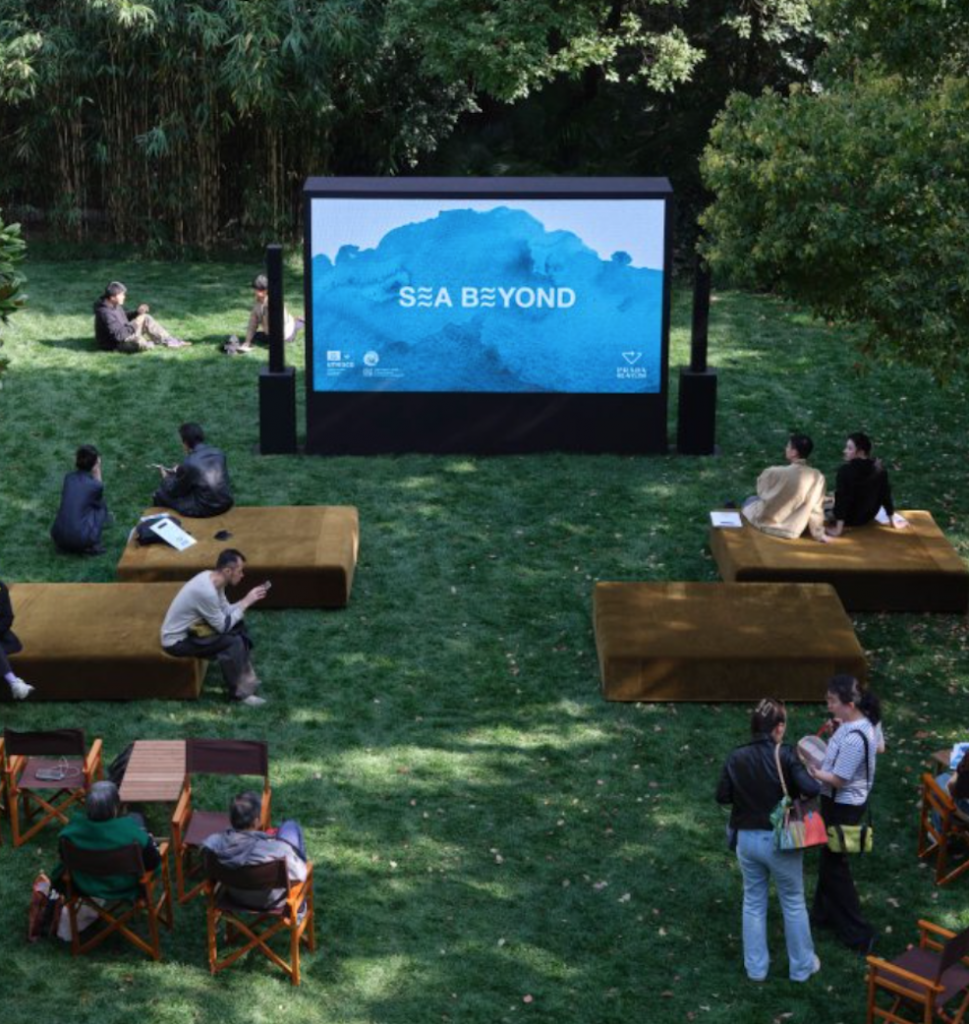
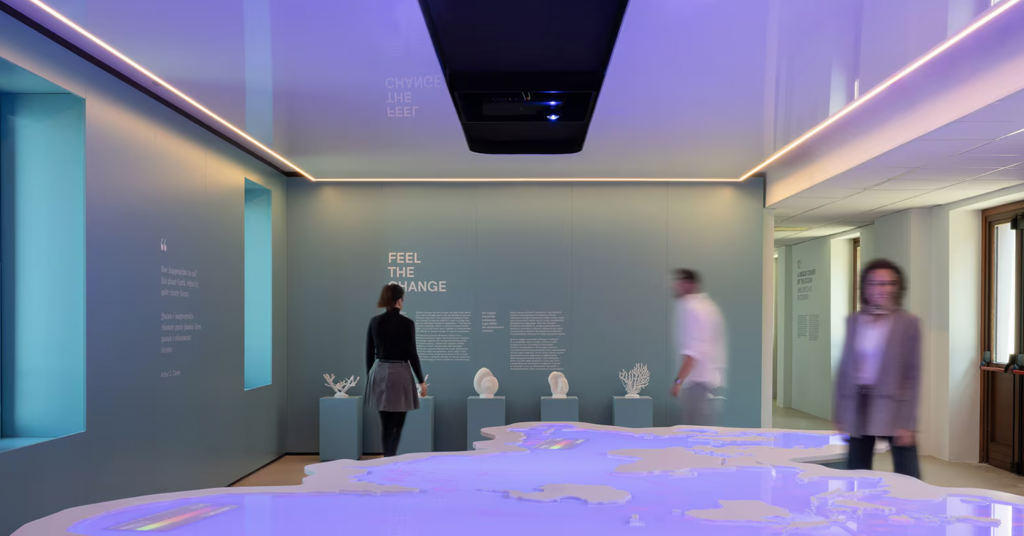
Prada is no exception. Its strategy is long-term, starting with its signature nylon and extending across materials, practices, and narratives. In late March, Shanghai’s Prada Rong Zhai came alive with deep-sea inspiration. Sunlight danced across century-old walls, discarded fishing nets were reborn as handbags, miniature marine habitats thrived, and children’s sketches of the ocean unfurled across the space. Conceptual ideas of circularity became tangible, reshaping perceptions of luxury.
Nylon’s long run
In the late 1970s, Miuccia Prada traded rare leather for parachute nylon handbags, challenging the idea that luxury must be scarce. At that time, it was an experiment – misunderstood – but it planted a question: “Does luxury need to rely on rarity?”
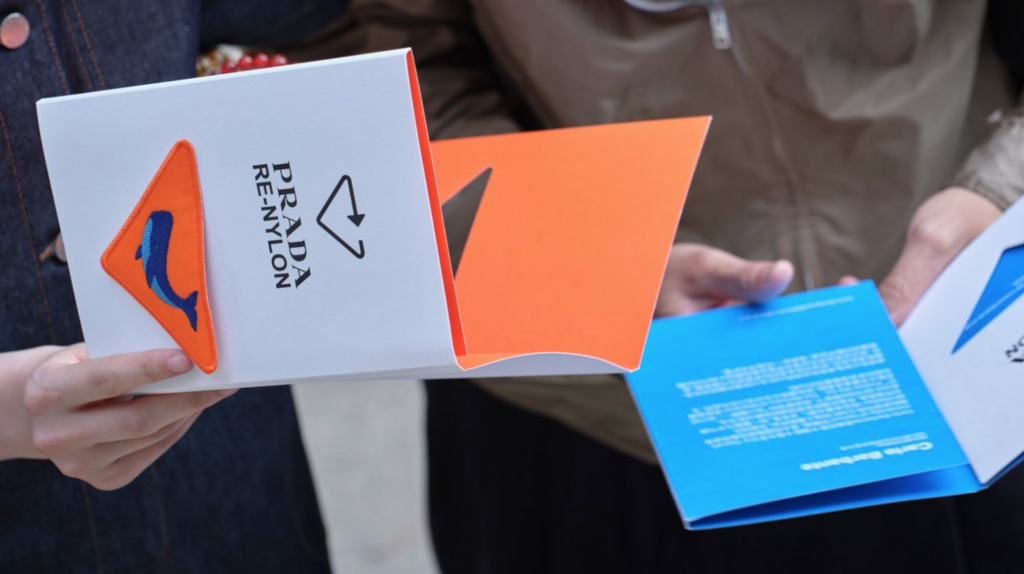
Decades later, Prada revisited that question. In 2019, the Re-Nylon collection transformed ocean plastics and discarded fishing nets into regenerated nylon via the ECONYL process. Materials once abandoned gained a second life and entered the luxury ecosystem. By 2021, Prada’s nylon products were fully regenerated.
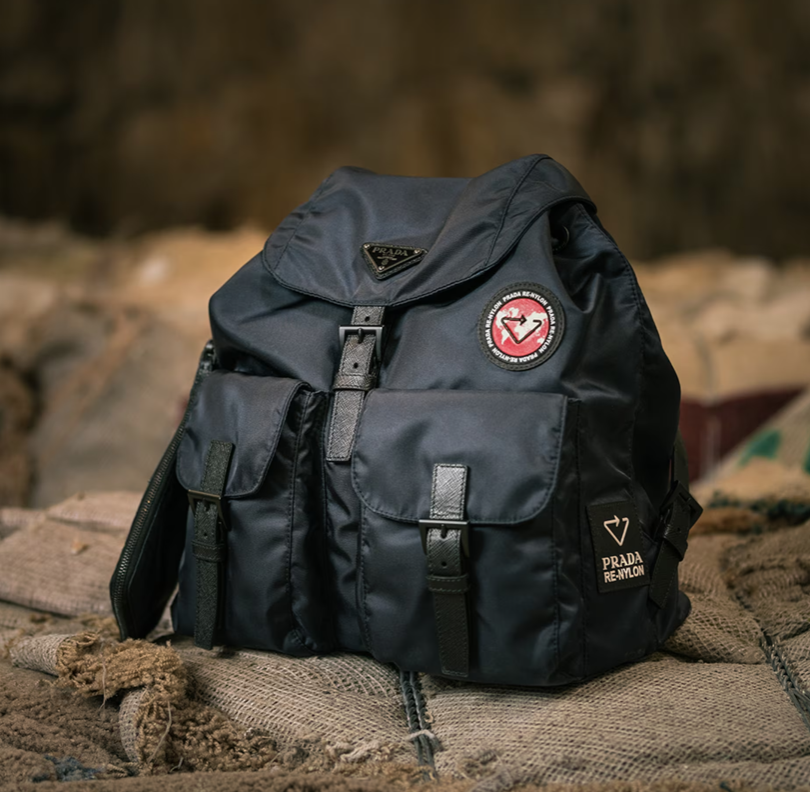
This is a structural change. Nylon is no longer just a signature material, it’s a style through which to redefine luxury. Traditional luxury is one-way consumption, but Prada’s approach is circular instead: produce, use, recover, regenerate. Value occurs over time, like tides shaping the shore.
Ocean education experiment
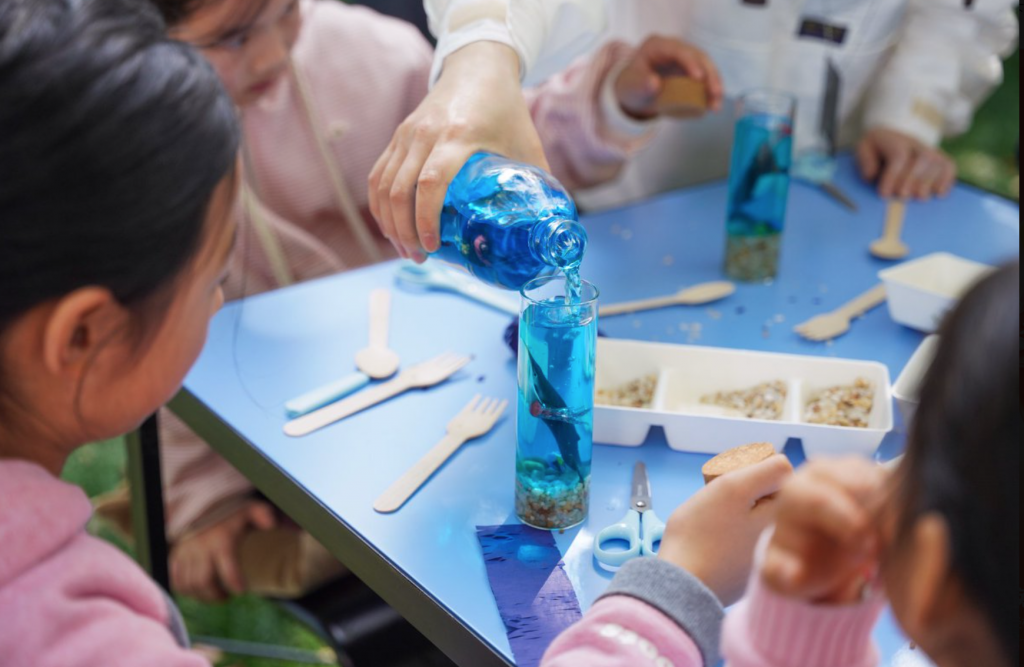
In 2019, in partnership with UNESCO’s Intergovernmental Oceanographic Commission, Prada launched Sea Beyond which is an ongoing educational initiative designed to inspire younger generations to think in terms of circularity. To date, over 35,000 students have participated in the project. Venice’s Lagoon Kindergarten immerses children in the ecosystem and the Ocean Literacy Centre produces documentaries with National Geographic. In addition, it hosts workshop programs and runs science outreach.
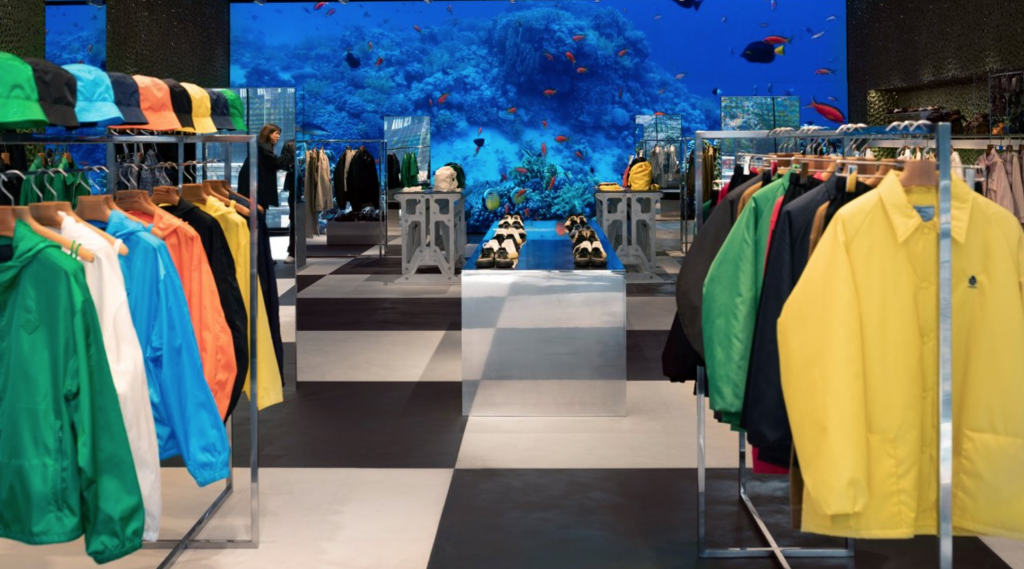
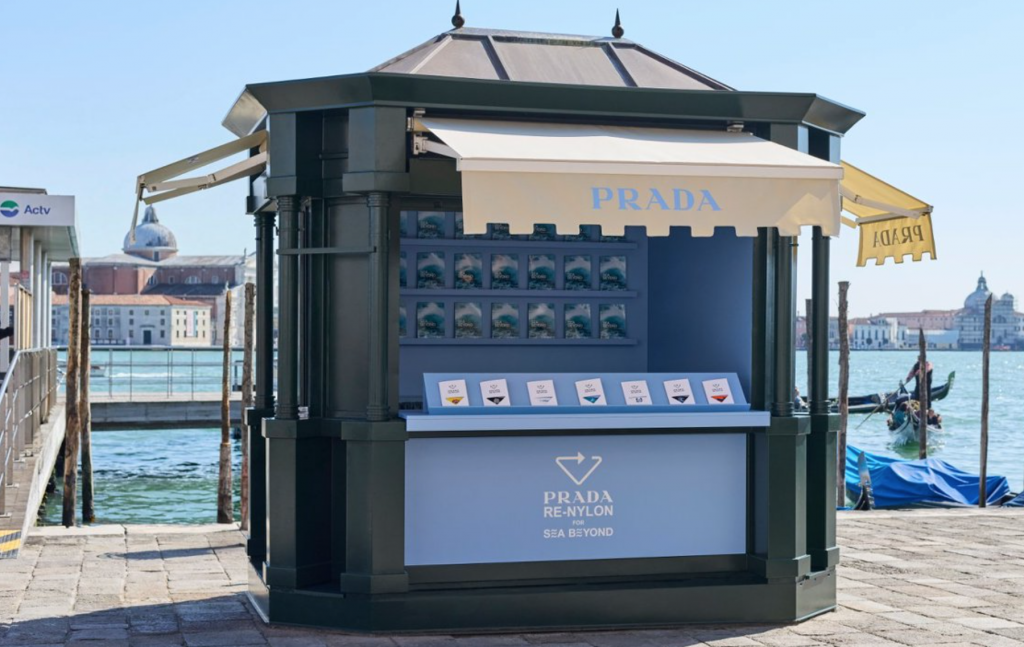
Prada ensures this is sustainable. 1% of sales from the Prada Re-Nylon for SEA BEYOND Capsule Collection is dedicated entirely to marine protection.Circular luxury evolves from niche preference to shared responsibility, rewriting what luxury means.
Luxury used to signify self-expression: identity, distinction and status confirmed through ownership. Today, new consumer cohorts – especially younger generations – ask different questions: “Where does this come from? Where will it go? Does it align with my values?”
Luxury is thus shifting from expressing oneself to understanding the world. Prada responds not with rhetoric but with sustained action, embedding circularity throughout every touchpoint.
Beyond regenerated nylon, Prada employs recycled cashmere, organic cotton, and low-carbon leather, reducing environmental impact at the source and avoiding overexploitation of scarce resources. The brand’s new ethos of luxury is ethical and sustainable, valuing environmental harmony over material scarcity.
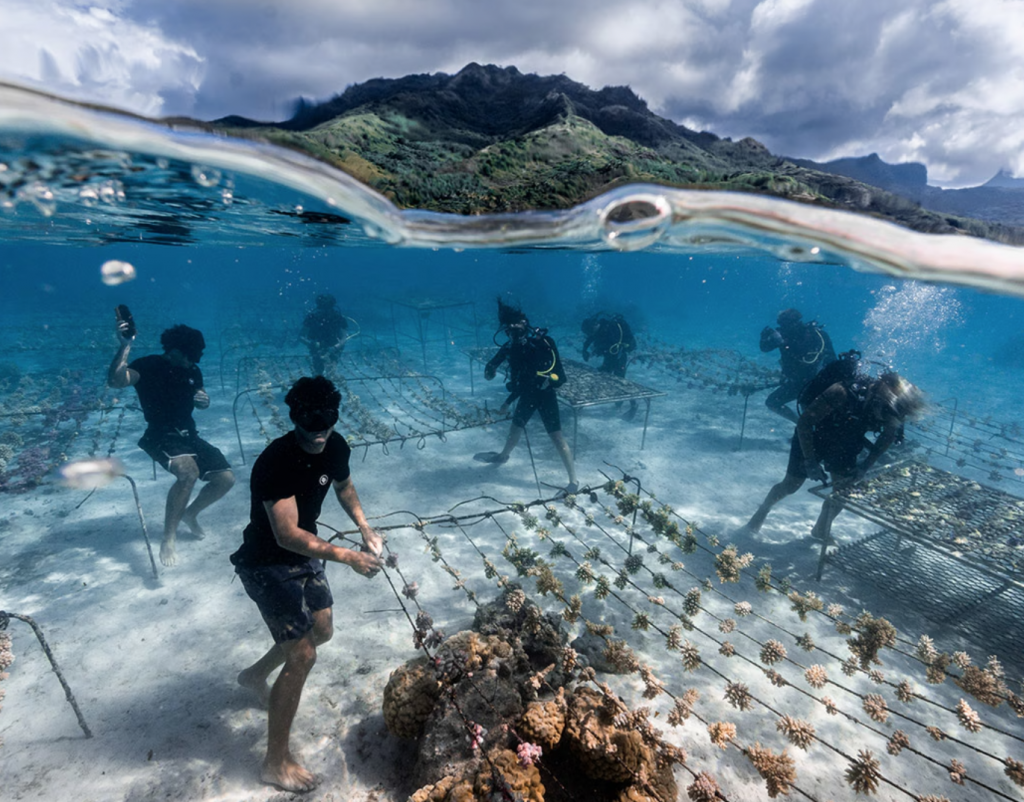
Prada goes beyond education to actively safeguard the oceans. Initiatives include seagrass planting in Sardinia, support for marine protected areas, and underwater clean-ups to remove discarded fishing nets. Every effort is tangible, fulfilling the promise to protect marine ecosystems.
Prada now operates on 100% renewable electricity and has set science-based targets (SBTi) to reduce carbon emissions. On the cultural and social front, the brand preserves traditional craftsmanship, champions diversity and engages in urban reforestation projects, extending sustainability from nature to the social sphere.
The future of circular luxury
Circular luxury is not niche or purely an eco-conscious choice, and it has become central to the sector’s trajectory toward high-quality growth. Transformations are shaping the landscape.
Regulatory frameworks are improving, driving the market standardization. Technology, including AI-driven image recognition, enhances efficiency.

As Generation Z rises and ESG principles permeate culture, consumers increasingly reject blind adherence to scarcity, prioritizing circular value, cost-performance, and emotional resonance. Over 40% are willing to pay a premium for sustainable features. In markets from China to the Middle East, the mindset is growing fast.
The rapid expansion of the second-hand market is reshaping value perceptions – extending the lifespan of luxury goods while enhancing their investment appeal. According to the management consulting firm Bain & Company, China’s pre-owned luxury market is projected to surpass 100 billion yuan ($14.5 billion) by 2030, making it the fastest-growing globally. At the same time, the investment case for high-end circular luxury is becoming increasingly clear, for instance, Hermès Birkin bags have appreciated by more than 90% on the resale market over the past decade, while select Rolex models trade at premiums of around 20%.
Globalization and localization merge. Cross-border trade in pre-owned luxury becomes routine. Policy, rational consumption, and accessible alternatives complement. Fast fashion and high-end circular goods coexist, enriching the culture of reuse while amplifying both the emotional and investment value of circular products.