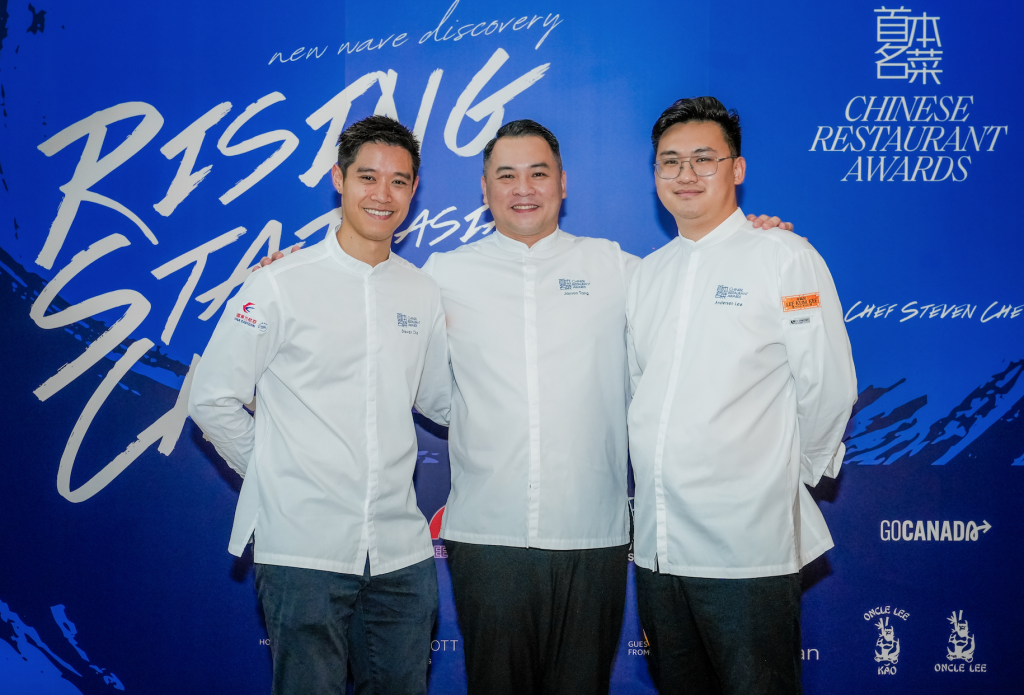
When the two young Chinese-Canadian chefs, Andersen Lee, 27, and Steven Che, 33, set foot in China mainland for the first time, their curiosity about Chinese cuisine blossomed, revealing subtleties and flavors far more vibrant than they had ever imagined.
Both young chefs, recipients of the Chinese Restaurant Awards’ New Wave Discovery series – Lee in 2025 and Che in 2024, recognized respectively as rising stars in Asia and Canada – had already built their reputations abroad. The trip to China mainland, familiar flavors struck with new intensity. A vegetarian meal lingered in Chef Che’s memory, and a Sichuan banquet left Chef Lee breathless: “I’m blown away by every dish.”
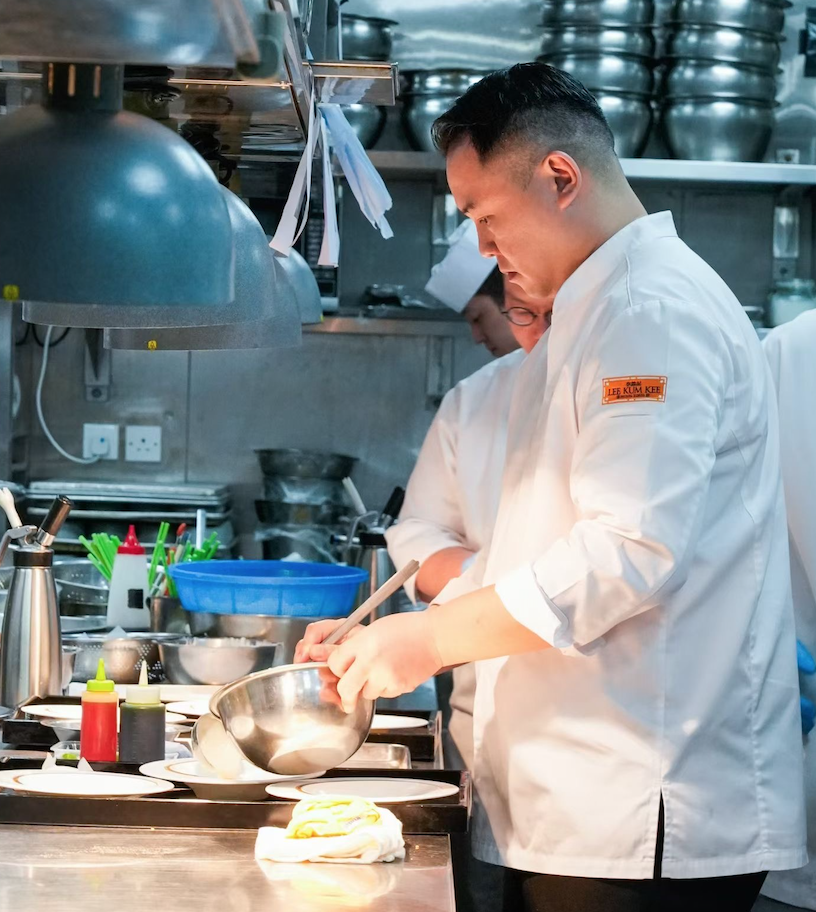
With the support of China Eastern Airlines and Lee Kum Kee, the two chefs joined Executive Chef Jayson Tang – a rising star chef awardee in 2025 – for a collaborative dinner last week at the one-Michelin-starred Man Ho Chinese Restaurant of JW Marriott’s Hotel Hong Kong, showcasing how Chinese cuisine travels and reinvents itself across borders.
Fresh approaches to Chinese cuisine
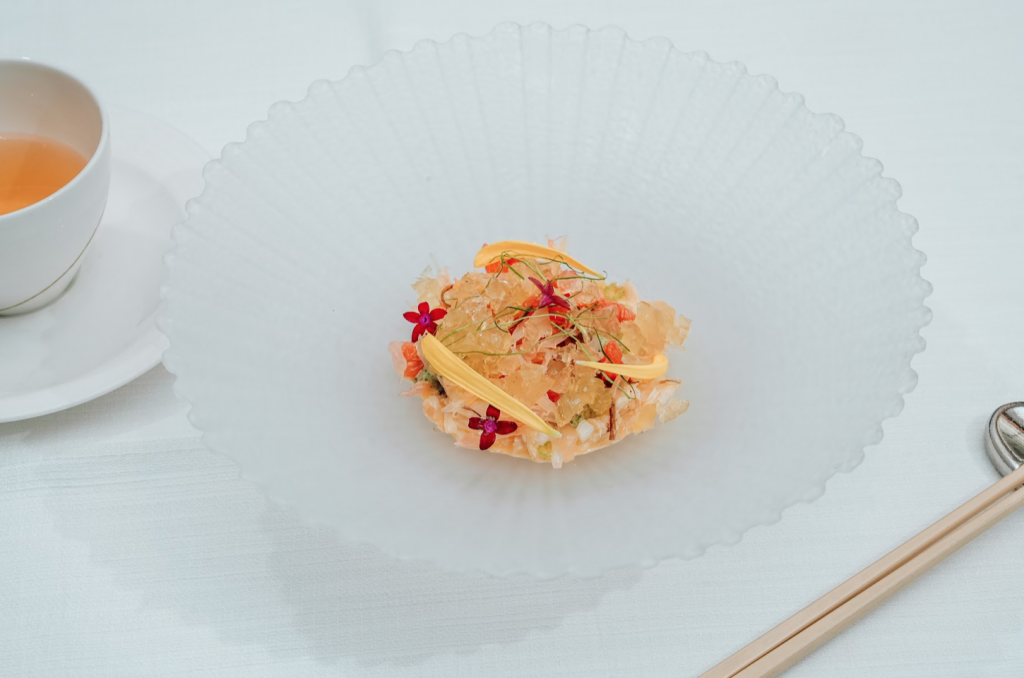
“The new generation of chefs captivates by turning one way of thinking against another, and letting one flavor spark another. Free of formula, they interpret and express Chinese cuisine on their own terms, finding harmony in the clash of tastes.”
Chef Lee, awarded a scholarship supported by the World’s 50 Best Restaurants Award and trained in French kitchens such as Odette in Singapore and Core by Clare Smyth in London, was struck by a dining experience in San Francisco that rekindled his connection to Chinese flavors.
He noted that Chinese food in Toronto and Vancouver has matured into a sophisticated dining culture, while Montreal remains dominated by late-night fare and takeaways. “I want to change that,” he said, “and leave a small mark on how Chinese food evolves in Montreal.”
Though he admires the term modern Chinese, Chef Lee avoids claiming it. His focus is cultivating a genuine Montreal expression of Chinese cuisine. “Perhaps one day I’ll have the confidence to attempt something more explicitly modern,” he said.
Chef Che’s cooking is instinctive and fluid. Born in Macau and raised in Vancouver, he studied in the United States and honed his craft with stints in Norway and Australia, making him a global citizen. “Growing up in Vancouver I was exposed to a wide range of cuisines including Vietnamese, Thai, Indian, and American which shaped my preference for dishes that are multi-layered and play with the palate,” he explained. His cooking draws on Chinese roots but is anchored in the Pacific Northwest – local produce, layered compositions and dynamic flavor.
“I don’t want to define Chinese cuisine,” he said. “What matters is whether the food moves people.” He added that style emerges naturally from experience. “
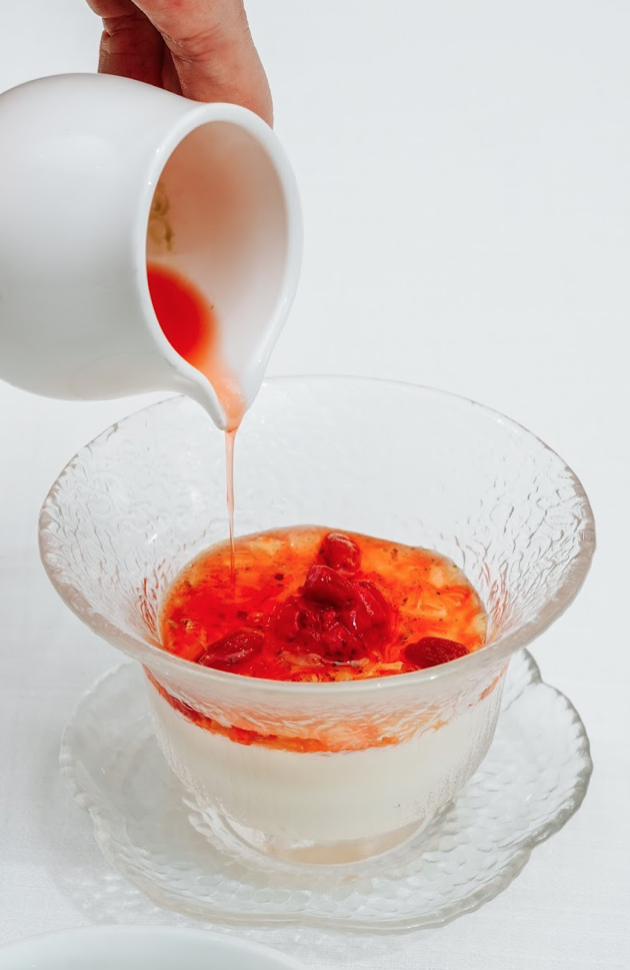
Osmanthus-infused panna cotta with strawberries and cream, accompanied by maple-glazed chestnut pastry and almond-chestnut cake, revealed this philosophy. Nordic summer memories intertwined with Chinese aromatics, while a gentle strawberry fermentation added a subtle savoriness that lingered on the palate.
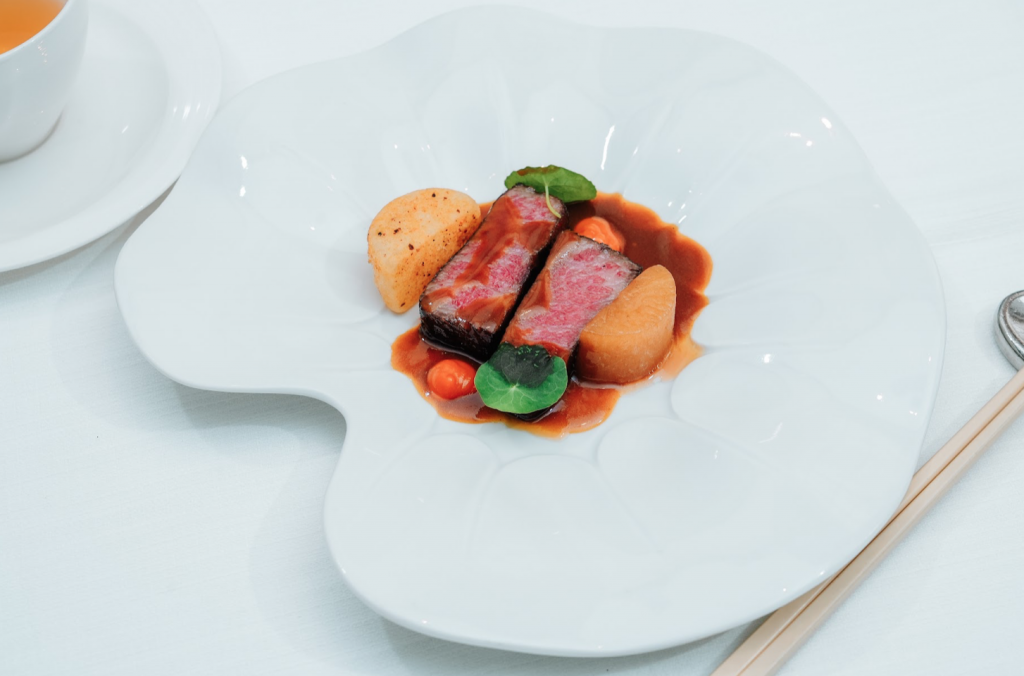
By contrast, Chef Tang is rooted. A Hong Kong native who rose from dai pai dong kitchens to luxury hotels, he has spent over two decades refining Cantonese cuisine. For him, Chinese cooking keeps continual reinvention.
He believes dishes should be ones he would want to eat himself, with flavors that are clean and never overworked. Classics such as sautéed lobster with ginger and scallion sauce or slow-cooked beef in chu hou sauce evolve naturally, adapting to their context.
“A restaurant must suit its place,” he said that Chinese cuisine has been adaptive – serving different diners in different ways.
To young chefs, his advice is simple and wise: focus on the present, refine what is within reach and be ready when opportunity appears.
Chinese cuisine, unbound
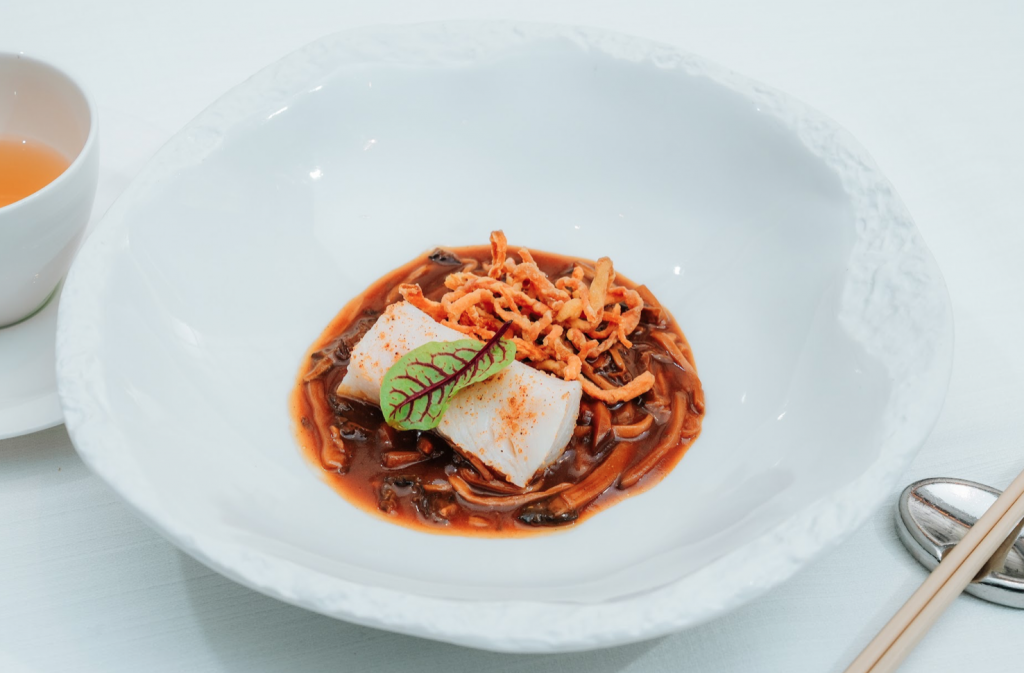
Seen in a wider context, the dinner reflected a generational shift. Chinese cuisine is no longer bound to a single tradition or path, it is expanding through constant exchange.
In China mainland, young chefs reinterpret tradition using Western techniques or by exploring regional ingredients and heritage. Abroad, chefs like Lee and Che offer a different way. They neither strictly follow tradition nor fully adopt Western frameworks, but create something uniquely their own in between.
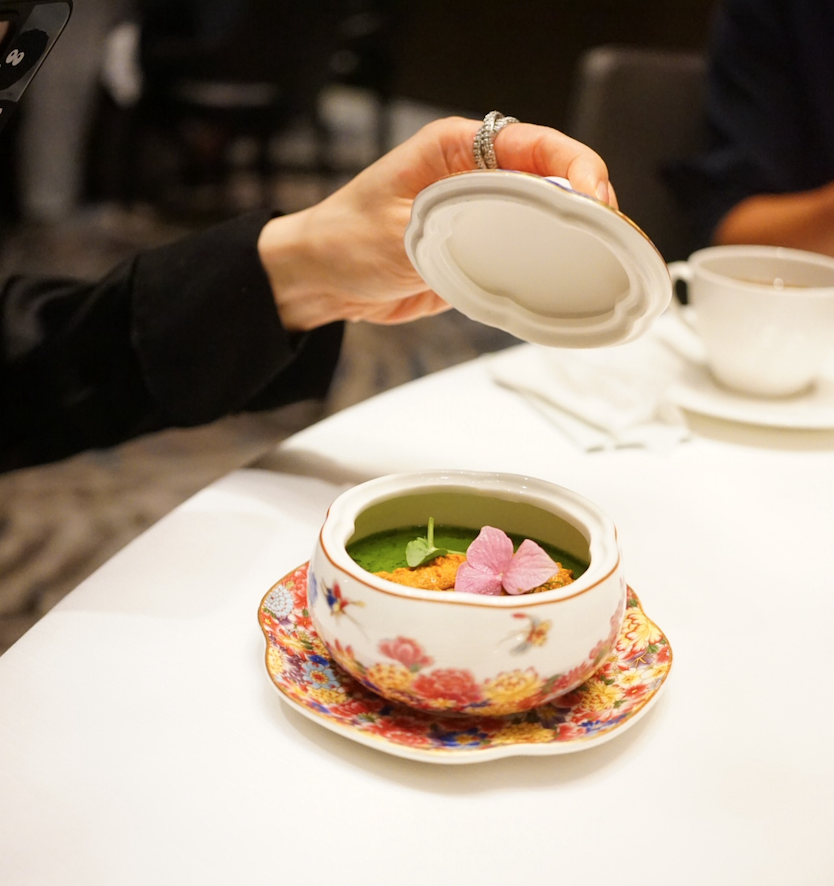
Two parallel movements emerge: one inward, reconnecting with place and memory; the other outward, reaching across cultures and borders. In this interplay, Chinese cuisine evolves in flavor and cultural significance.
Make Chinese cuisine legible to the world
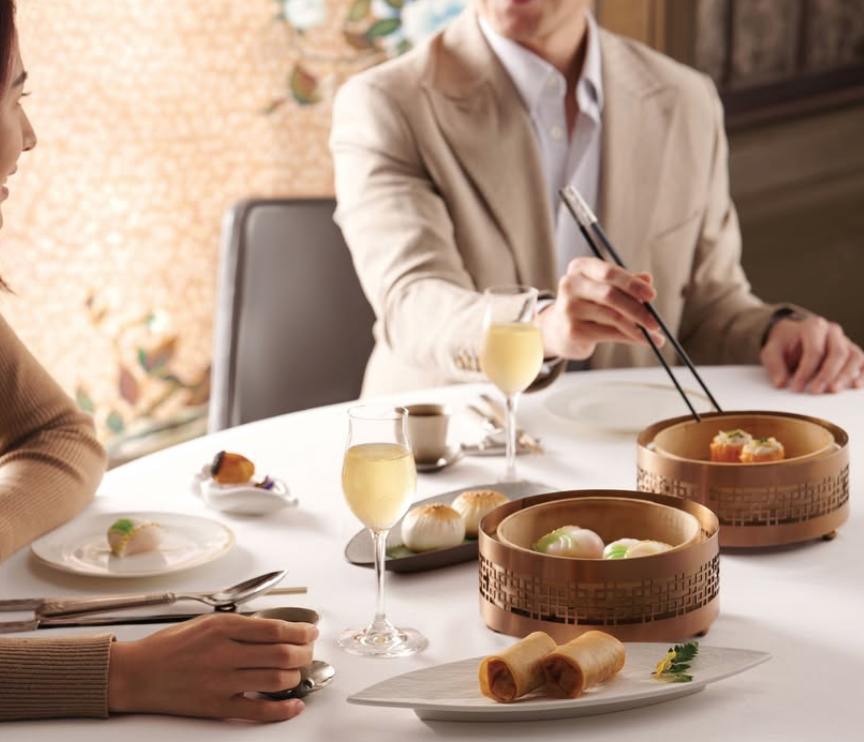
The dinner itself was made possible by the Chinese Restaurant Awards, a Canadian initiative that has documented and promoted Chinese dining abroad for over 16 years. This year it stepped into Asia, creating a platform for exchange between overseas and local chefs.
“Our goal is to help more people see and understand Chinese cuisine. We hope to create a ranking that serves the general public.” Unlike many industry rankings, it is designed for a broad audience, providing an accessible entry point into Chinese food and highlighting the culture and the people behind each dish.
They also set aside Westernized adaptations, instead celebrating Chinese-inspired cooking – dishes rooted in Chinese traditions yet forging their own identity. Kung argued that only in this way can Chinese cuisine stand alongside French or Japanese cooking as an equal on the world stage.
Supporting young chefs is central to that mission. More open-minded, they represent possibility.
For Chef Che, the impact is tangible. “These awards have played an immeasurable role in raising the profile of Chinese cuisine in Vancouver and beyond,” he said that there are no equivalents for Indian, Filipino, or Vietnamese restaurants. It shows how deeply Chinese communities value food – and how important it is for young chefs like us to be seen.”
Kung said that it is expected to expand in Asia and beyond, continuing to build bridges through food. “At its core the mission is to serve diners, not just the industry,”she noted.