Shanghai’s bistros may have long spilled into its plane-tree-lined streets. A new generation of chefs and restaurateurs keep the city in motion, with ideas and trends rising one after another. While the dining scene rarely lacks excitement, Taiwanese food – the kind many miss – stays hard to find.
What people remember about Taiwanese food is not intensity, but it is a softer kind of comfort instead. Flavors wrapped in everyday cooking, modest yet deeply reassuring. For many, those memories are inseparable from street stir-fries, braised snacks, and bowls of soup, food tinged with a neighborhood spirit and a trace of nostalgia.
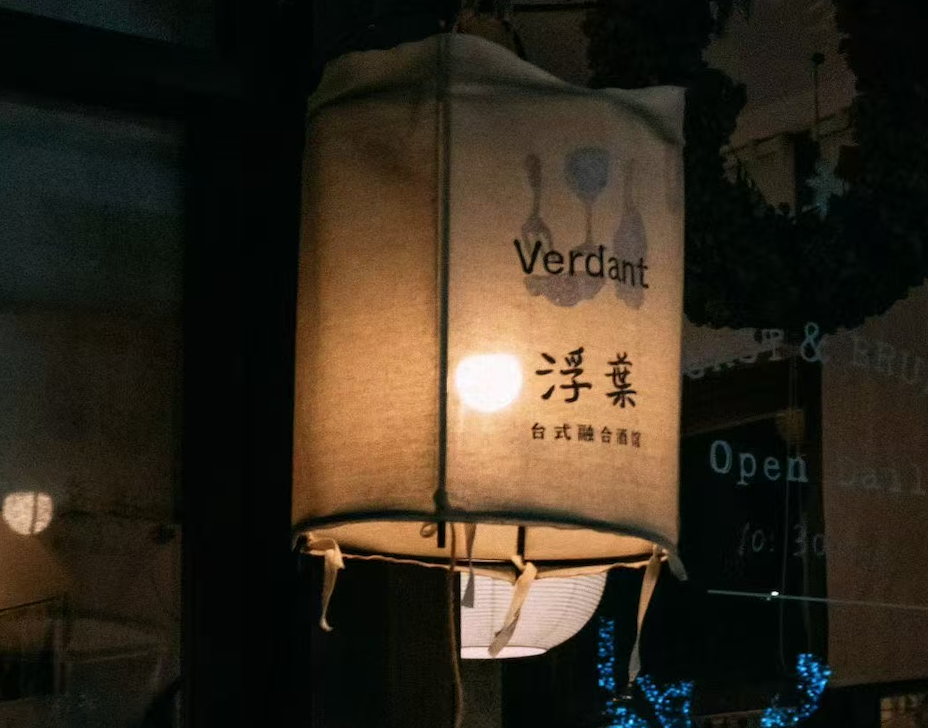
Verdant, a small bistro on Wuxing Road, has quickly found itself full most nights since opening. It does not present Taiwanese cuisine as a novelty, nor does it lean on reinvention, but the approach stays instead by a sense of contrast, including a chef trained in coveted kitchens cooking street flavors, familiar Taiwanese dishes infused with a lighter touch, and a lively city center giving way to a quiet residential lane.
The bistro has simply taken root.
From fine dining to neighborhood table

The story starts with Chef Dante, training at Spain’s Basque Culinary Center, followed by stints with Stockholm’s three-Michelin-starred Frantzén and Barcelona’s avant-garde Enigma. A deeper path into fine dining might have seemed like the natural next step. However, his journey took a different turn.
You might have noticed a shift in gastronomy, with more young chefs trained in renowned restaurants setting aside the prestige of white tablecloths and fine-dining rituals. In lieu of chasing that well-trodden path, they are bringing their skills into refined casual restaurants or neighborhood bistros, folding fine cooking into everyday dining.
Chef Dante, a native of Taipei who relocated to Shanghai in 2019, is clearly one of them.
“Now I want to cook food that everyone can enjoy,” Chef Dante said he was determined to immerse himself in the world of fine dining when he was younger, but his perspective has changed over time.
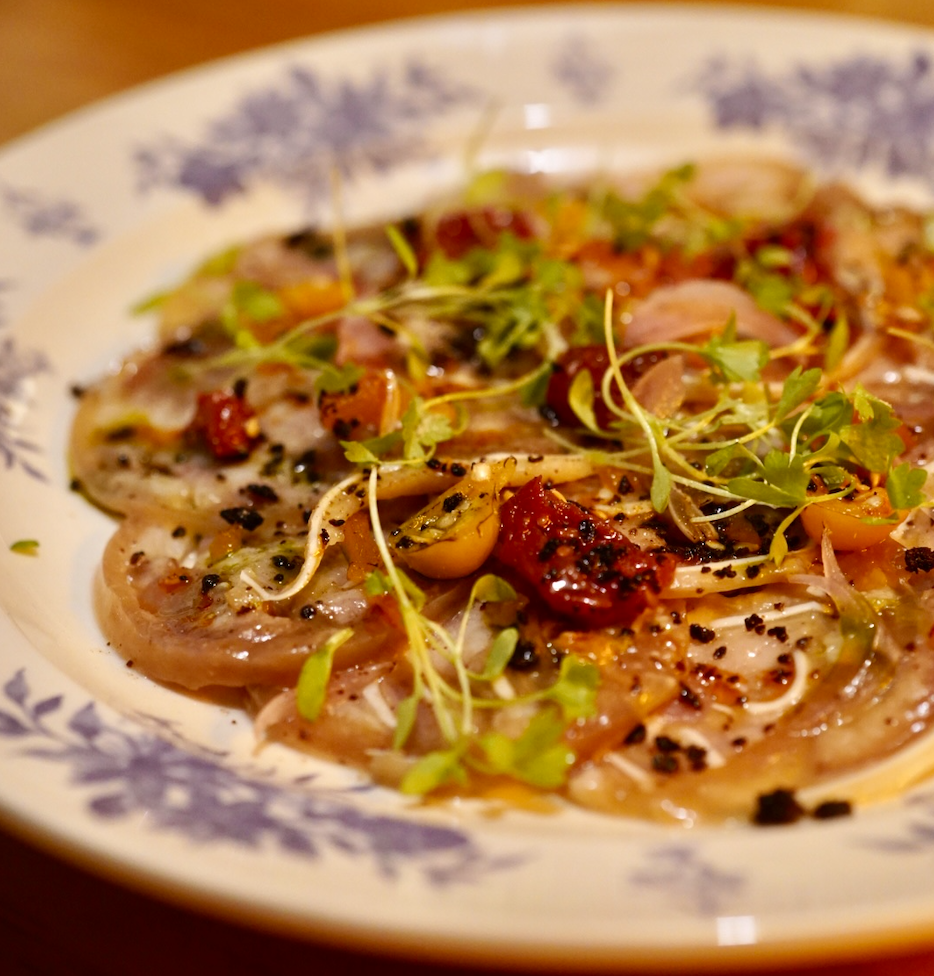
At Verdant, Taiwanese flavors feel like an old song newly arranged. The melody remains, but the layers are subtly different. Rather than overturning tradition, Chef Dante reworks nostalgic flavors with western techniques, braising spices, soy-laced sauces, bright basil, and the smoky aromas of a night-market wok, revealing a new expression of something long familiar.
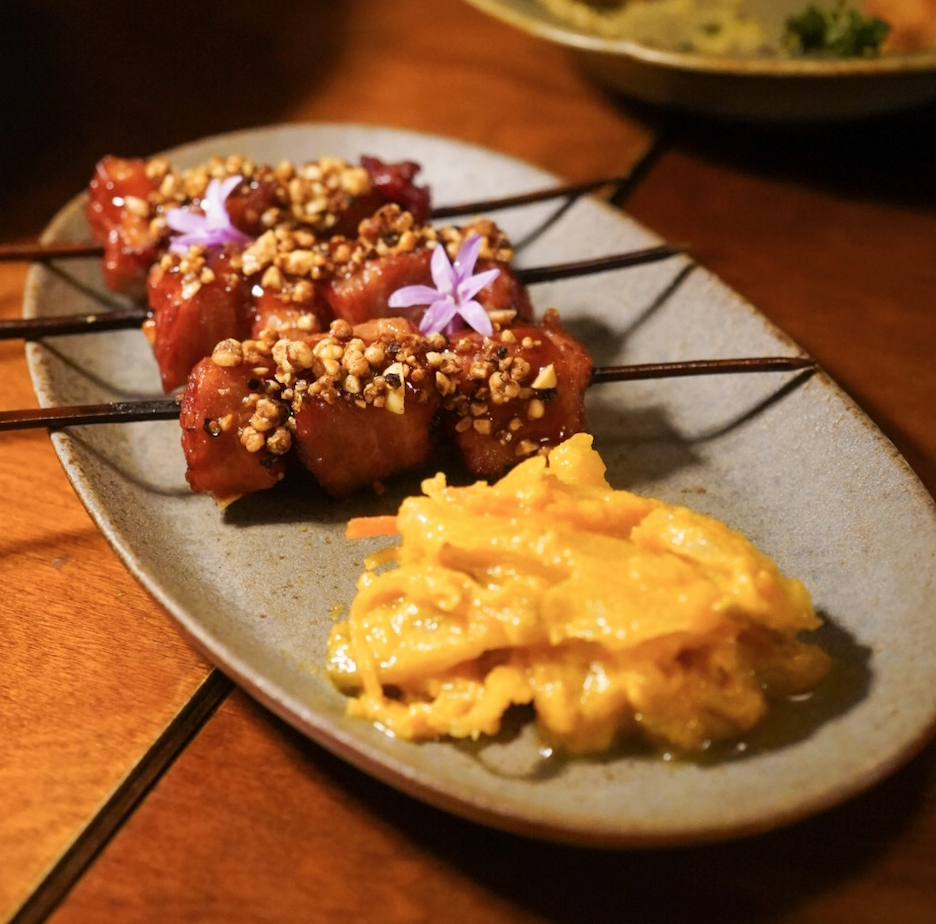
The slow-seared three-cup duck breast, for example, borrows the structure of the classic three-cup chicken but trades heaviness for clarity. The duck is first infused in a spiced braising liquid, then gently seared until the skin crisps and the meat stays tender. A reduced three-cup sauce finishes the dish, with basil and ginger slowly unfolding.
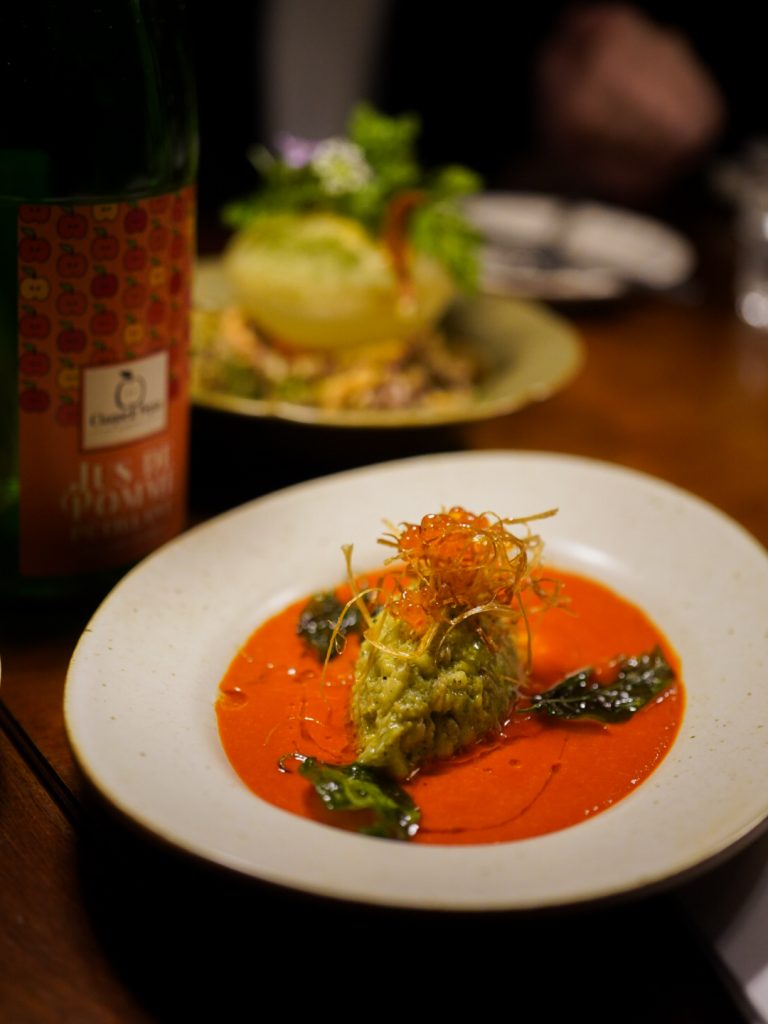
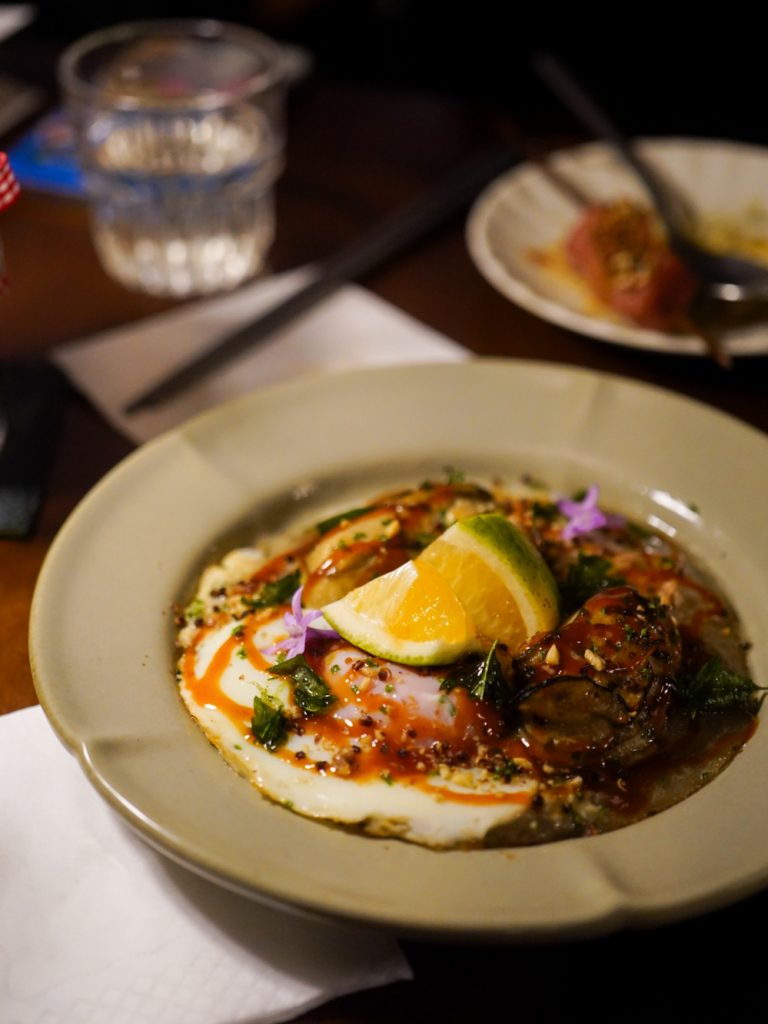
The Taiwanese stir-fried braised platter keeps the spirit of street-side stir-fry intact. Pre-braised cuts are tossed over high heat, releasing the aroma of wok hei – savory, lightly spicy, and suited to drinking.
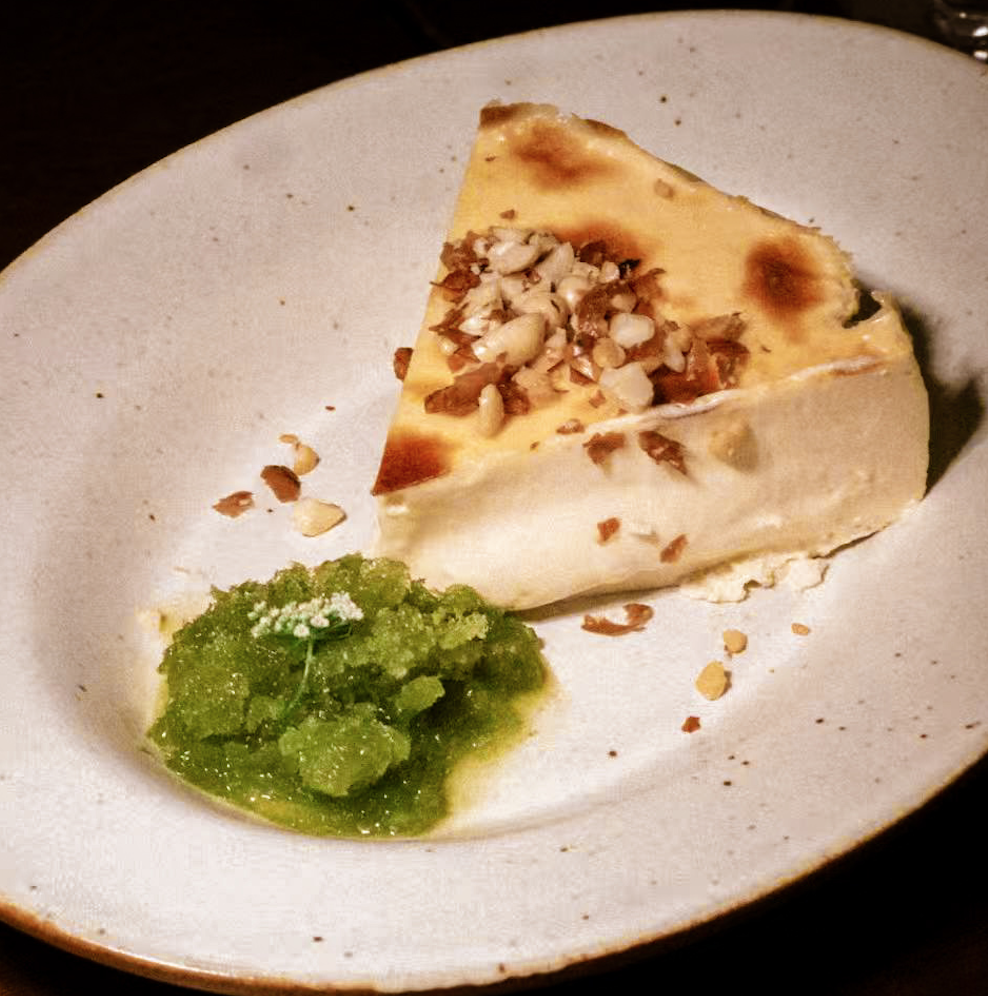
Dessert introduces a playful contrast. The cilantro and peanut Basque cheesecake pairs the richness of cheesecake with roasted peanut fragrance, while cilantro appears slightly at the finish, giving the sweetness an unexpected lift.
The drinks program follows the same philosophy. A Taiwanese winter melon syrup becomes the base of a refreshing cocktail, pairing naturally with small plates.
A quiet street beside the crowd
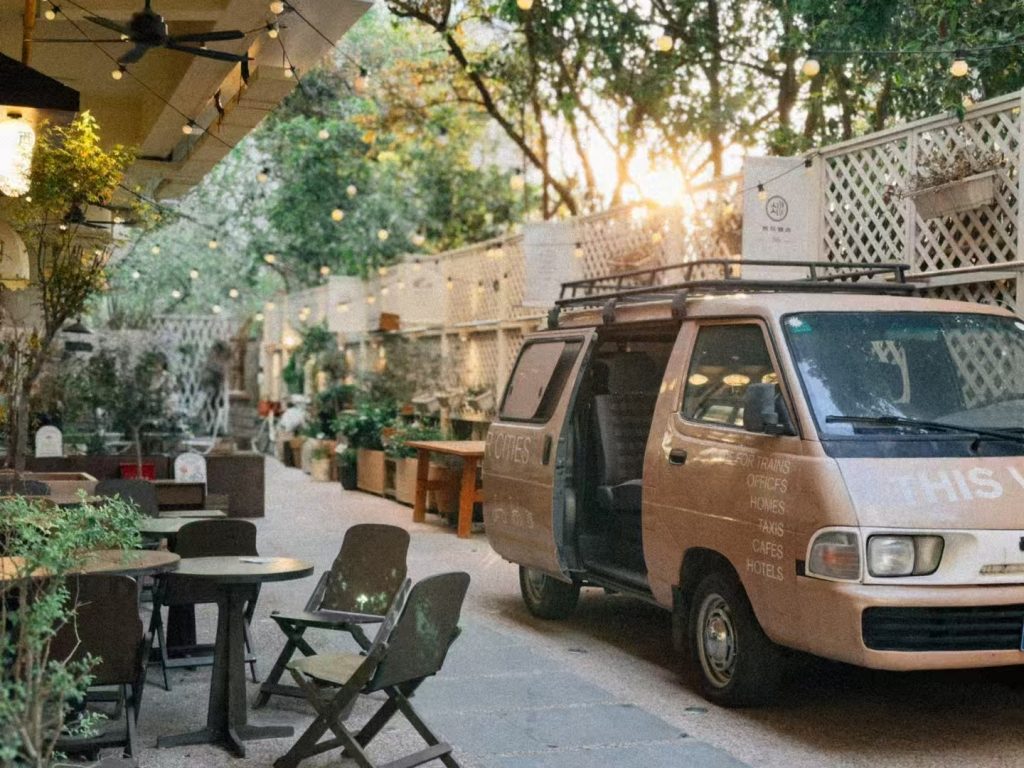
Verdant sits on Wuxing Road, only steps from some of Shanghai’s busiest streets. Wukang Road and Anfu Road – lined with cafés and constant foot traffic – often feel like a weekend market that never ends. Turning onto Wuxing Road, the pace shifts almost instantly.
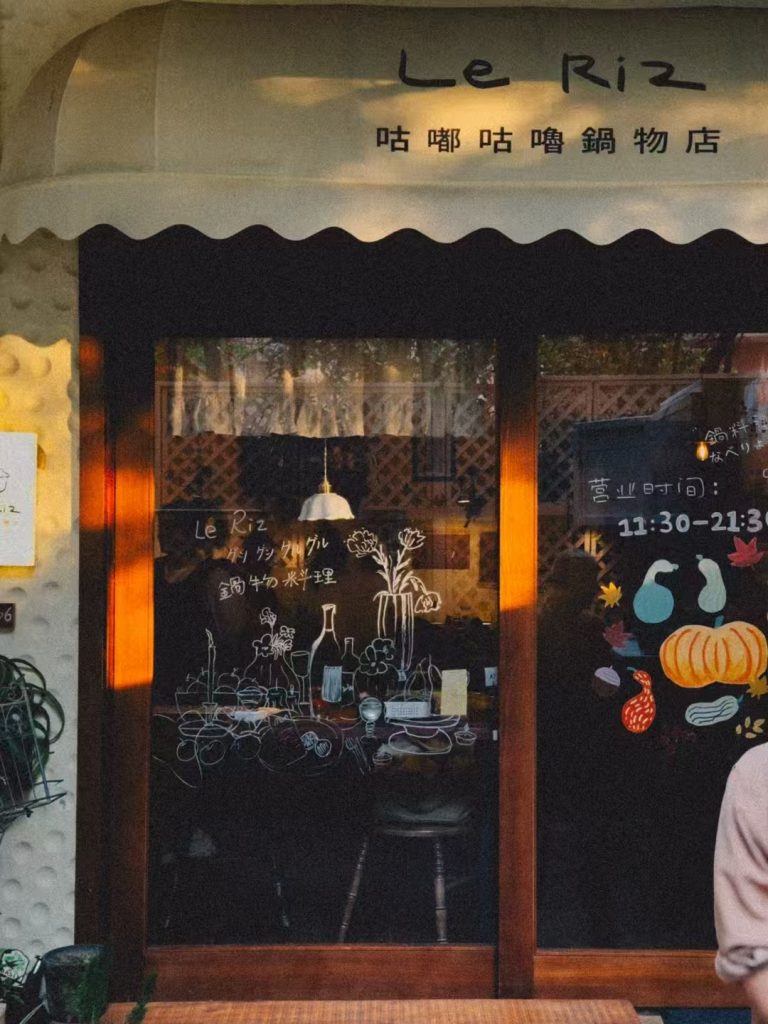

Plane trees stretch overhead, their shade dappling the walls of old villas. A resident cycles past with a soft ring of the bell, startling a few sparrows beneath the eaves. The crowds queuing for photos disappear, as do the calls of street vendors.
Potted plants rest on windowsills, neighbors pause to chat on stone benches, and the air carries an easy calm. It‘s precisely this understated atmosphere that allows a place like Verdant to settle in.
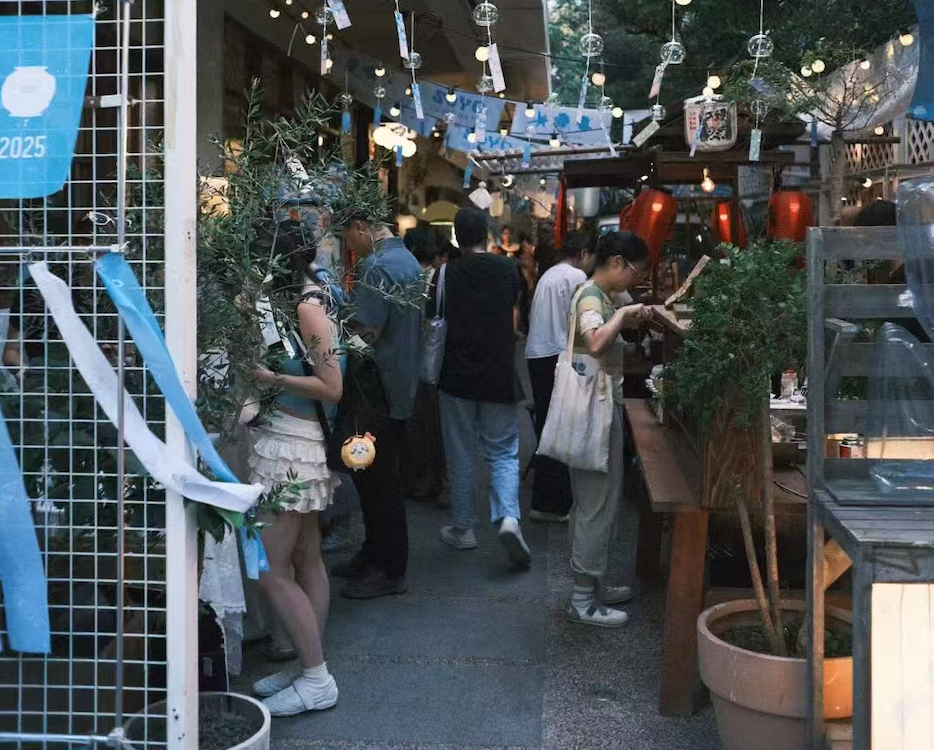
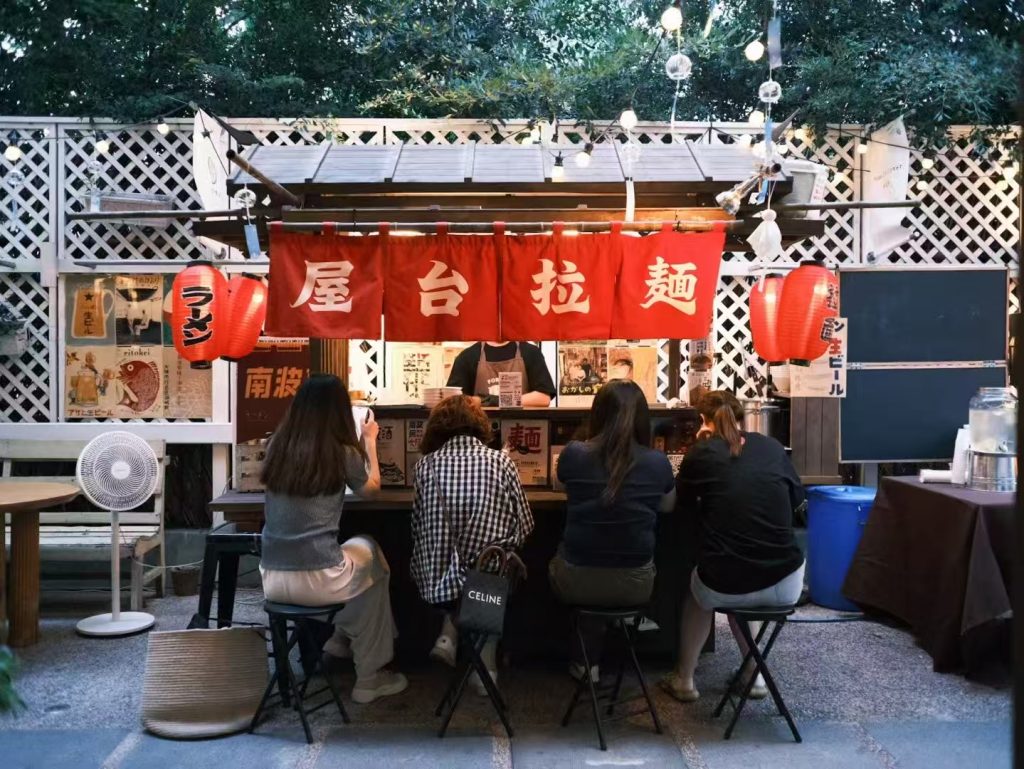
The street itself is slowly forming a small ecosystem of everyday life. A Japanese gelato shop sits nearby, and next door, a family-style hot pot restaurant sends out the steady simmer of broth. Around the corner, a ramen stall lifts its curtain at night, the scent of bone broth drifting down the lane.
Verdant joins the line. By day, it operates as a relaxed brunch café, sunlight falling across tables of toast and coffee. By night, it turns into a warm Taiwanese tavern.
Aromas of food and cocktails drift out the door, bringing a gentle pulse of life to the otherwise calm street. From dusk into late evening, this block unfolds slowly, like a neighborhood scene coming to life.
A small room, generous in warmth
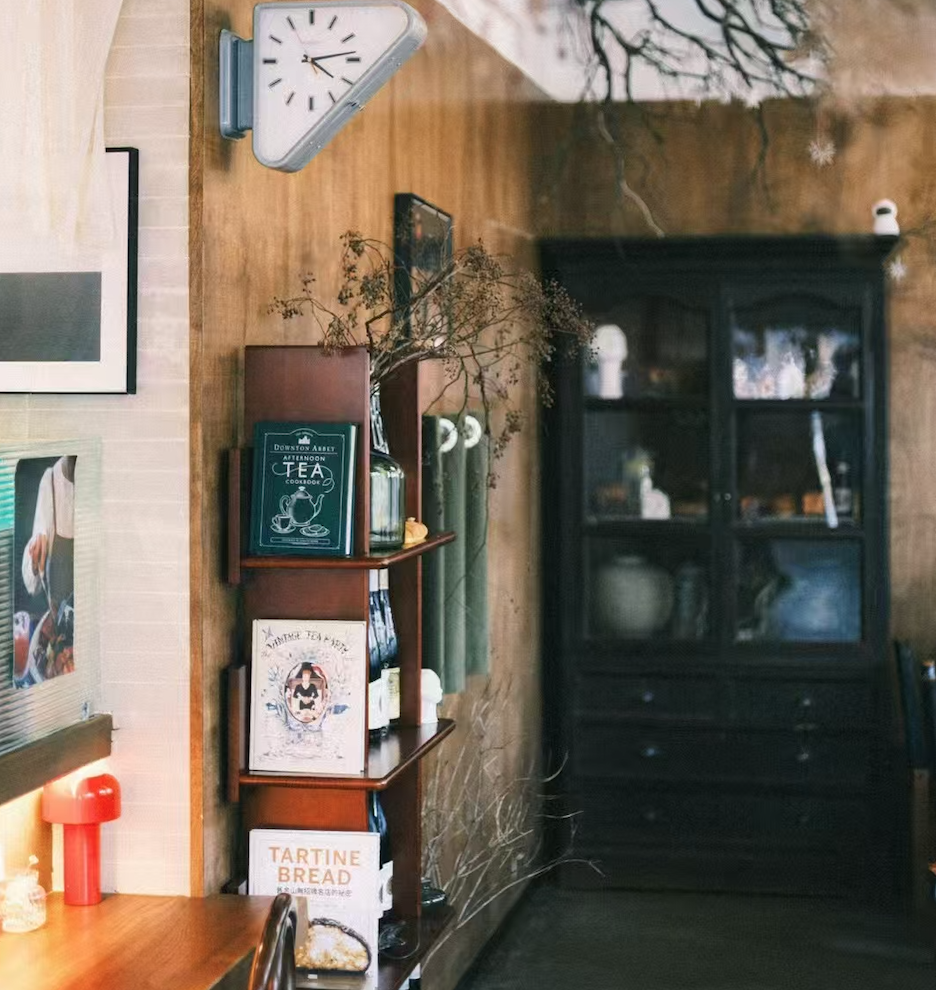
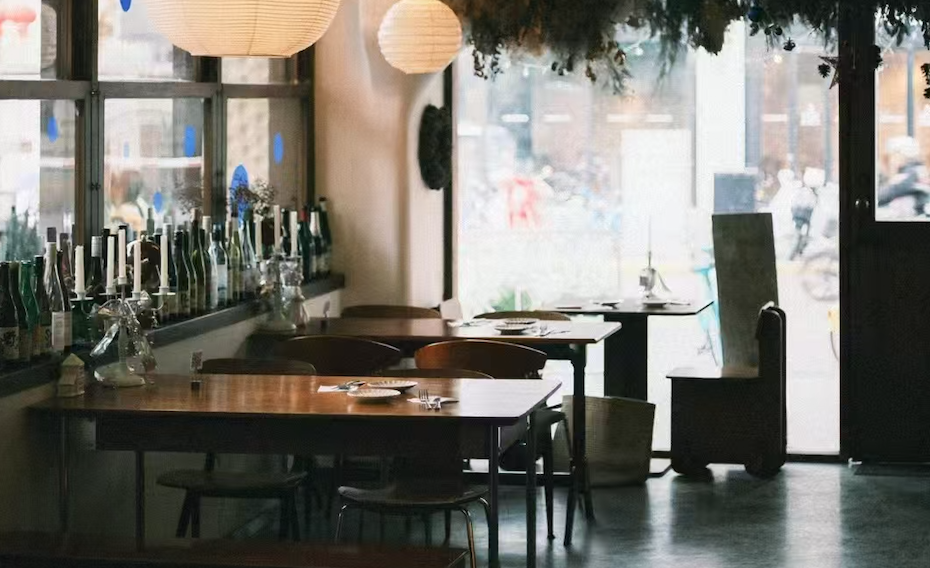
Verdant is compact, without luxury and far from the noise of a night market. Warm lighting and loosely arranged tables create a space that feels both Taiwanese in spirit and slightly reminiscent of a Japanese izakaya.
With an average bill around 200 yuan/per pax ($29), it’s less like a destination restaurant than a place that returns to often. Office workers stop by after work for a drink at the bar. Friends linger over small plates. Regulars walk in, and the chef knows what they might want. Seen from the street at night, the room glows softly, with the scent of food and drink drifting outward.
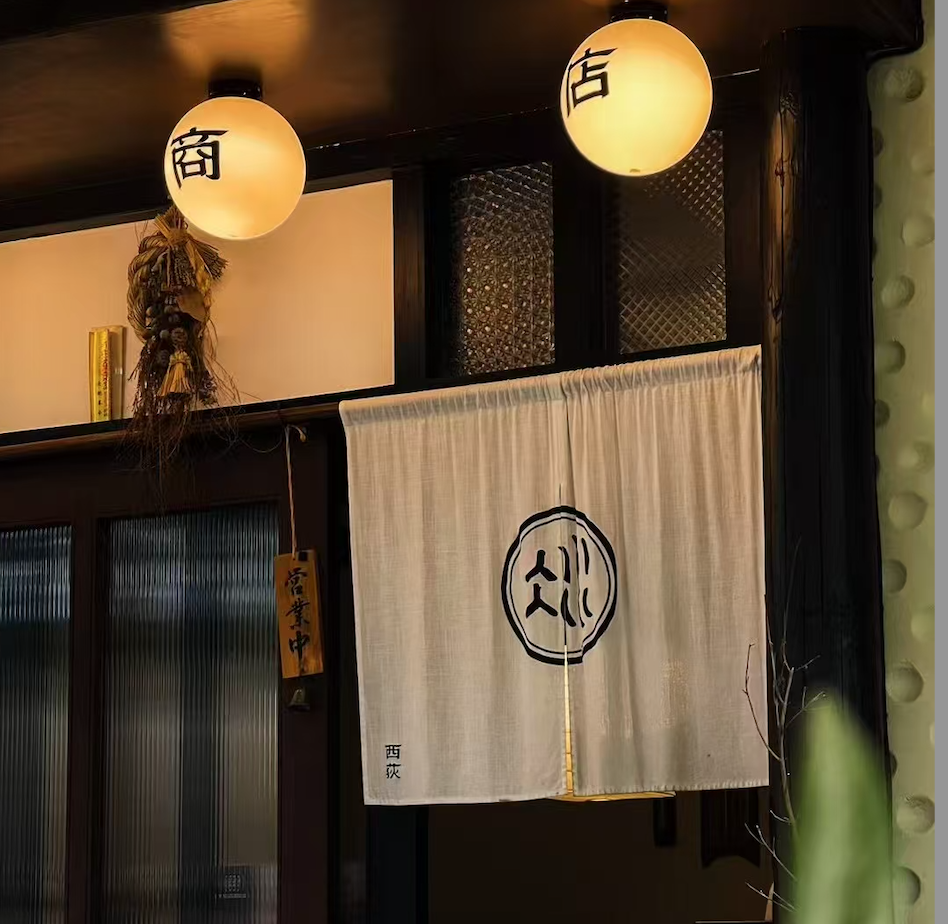
In a city where new bistros and restaurants seem to appear endlessly, Verdant stands apart. Refined technique returns to everyday cooking, retelling Taiwanese flavors with a voice of contemporary nostalgia. In doing so, it adds a light to the calm stretch of Wuxing Road. Not a spectacle, just a place where one might feel inclined to step in and stay awhile.