For years, the belief held that good wine needs no bush. Flavor, it was assumed, would speak for itself. Restaurants required neither framing nor narrative, and people simply followed reputation and scent. Then the world shifted. Social media arrived, amplifying the noise and crowding the culinary landscape. Expression became essential – sometimes even a prerequisite for survival.
However, visibility has not replaced merit. If anything, it has expanded it. Restaurants once hidden from views, chefs more fluent in cooking than in communication are now more discoverable. Awards and guides have supported recognition, even as they have complicated its meaning.
“Deserved” has become one of the highest compliments in contemporary dining. And increasingly, it is applied with conviction, like the newly minted two-Michelin-starred Amazing Chinese Cuisine (Changning), as well as the selected restaurants – Chaimen Hui (Pudong) and Toi Sihng Lauh Yuht.
Chaozhou cuisine, refined to its essence
For chef-turned-entrepreneur Jianqing Du, the second star came as surprise and affirmation. He said that the moment was emotional: “I thought about it, but I didn’t expect that would happen. We’ve stayed consistent for many years. This recognition do make us feel hard-won and encouraging.”
Those familiar with Amazing Chinese Cuisine understands his meaning.
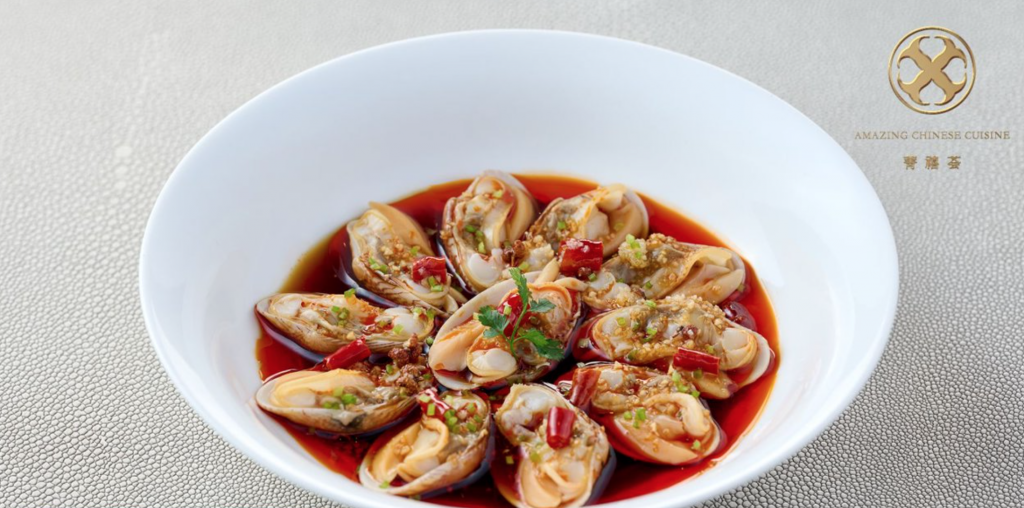
The restaurant has, over the years, remained focused. Its energy is concentrated almost entirely in the kitchen – ingredient sourcing, handling, seasoning, and heat control are repeatedly refined until only what is necessary remains.
The result is food that feels stripped of excess. Some described it as obsessive. Du put it plainly: “Our seasoning is minimal. Nothing is added for decoration. Each ingredient stands where it should stand.” This philosophy allows flavor, texture, and freshness to shine unmask.
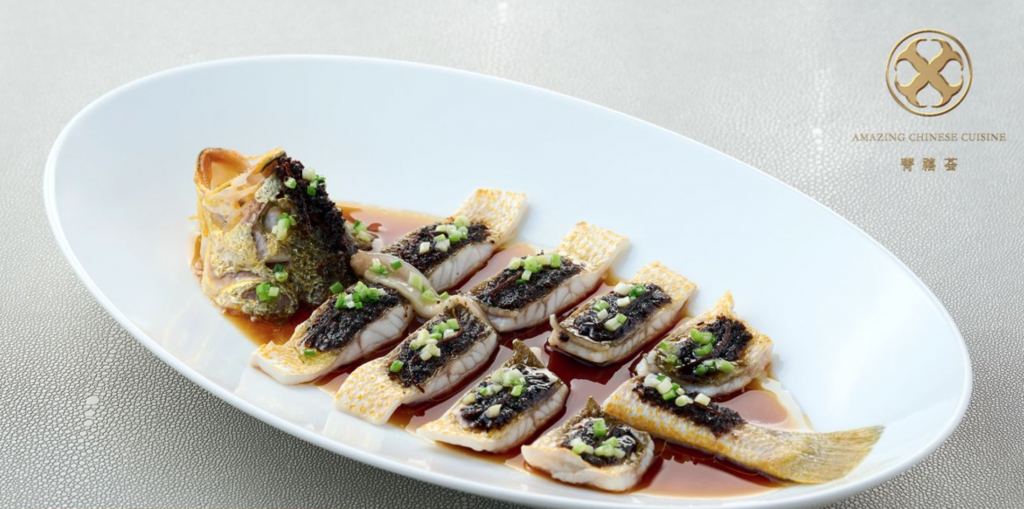
Spring seasonal menu follows the rule. Ingredients are chosen at peak condition, including white asparagus from Taizhou arriving in Shanghai within hours of harvest, alongside garlic scapes from Shandong, pineapples from Zhanjiang. Geography across sea areas becomes a map of seasonality, from Dalian‘s sea urchin to East China Sea prawns and sea snails from Chaoshan.
Take the cold tofu dish layered with radish and green chili for example, Puning-style tofu forms the base, topped with finely diced Chaoshan preserved radish, a drizzle of homemade Yunnan chili paste, and finished with tender spring peas. The flavor is simple and the structure is exact.
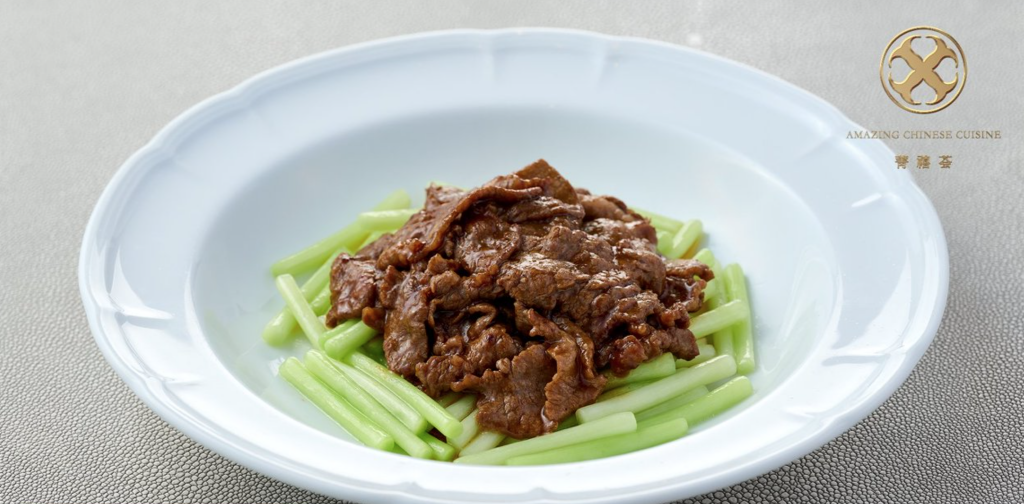
In the hot dishes, mastery of heat defines character. The stir-fried snowflake beef with garlic scapes exemplifies speed and precision. Air-shipped Chaoshan yellow beef is sliced and tossed immediately with the tender tips of spring garlic scapes in satay sauce, preserving freshness while layering crisp, sweet textures with silky beef.
Bamboo-wrapped pork ribs, by contrast, follow a slower rhythm. The bamboo shoots are first gently simmered in broth, then steamed with the pork, resulting in juicy ribs paired with tender-crisp shoots. Water spinach, flash-fried with pork cracklings, celebrates texture and wok aroma without ornamentation.
Even humble home-style dishes are treated with full attention. The Chaoshan water spinach from Jieyang is chosen for its sturdy stalks and stir-fried quickly with pork fat, delivering a crisp, clean bite and wok fragrance.
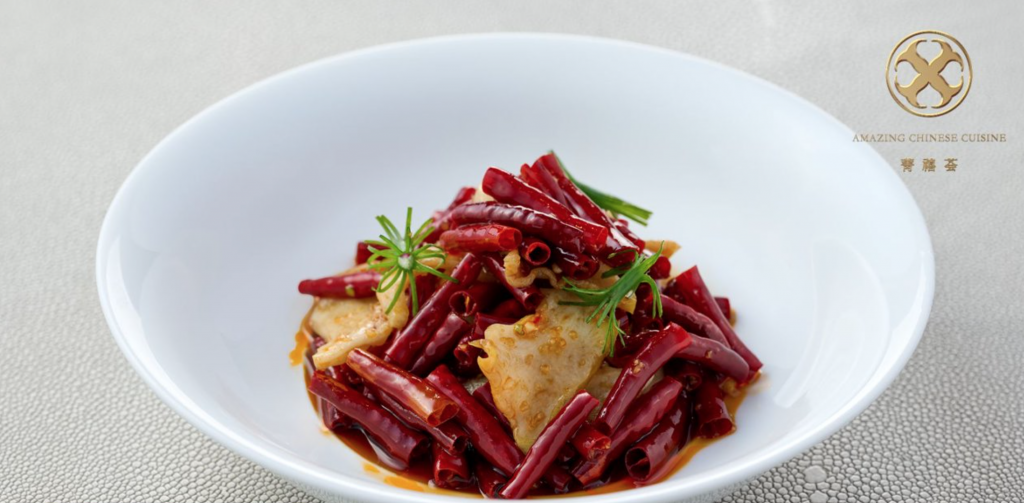
“The seasoning is simple. The most intricate part is this asparagus and chicken feet dish – there are 18 spices in just this one element,” Du explained. Even with such complexity, nothing overwhelms. The flavors serve the ingredient, not the other way around.
Looking ahead, the team is expected to re-interpret classic dishes, incorporating seasonal ingredients to make dishes feel more vibrant and in tune with the moment, while staying true to their culinary philosophy.
Translate Sichuan cuisine by flavor profiles
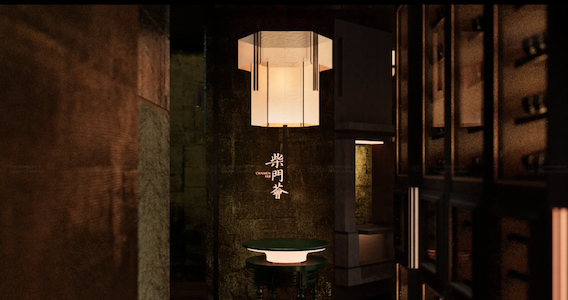
From its Michelin-starred roots in Chengdu to the Shanghai Bund debut, Chaimen Hui is guided by one principle – Sichuan cuisine is defined by flavor proflies. Chef Carl Chen treats taste as a system to be mastered, not a whim to follow, using this structure to push the cuisine into new dimensions.
Each dish carries the distinct flavors of Sichuan cuisine. A single starter may layer six dimensions – numbing, spicy, sour, sweet, salty, aromatic – coexisting without conflict. Garlic scapes sharpen the edges. A green Sichuan pepper chicken expresses numbing heat with precision, clean and lifted.
In hot dishes, technique drives intensity. A Boston lobster glazed in chili oil is bold but never heavy. Sichuan chillies add warmth rather than aggression. A reworked mapo tofu – using wagyu beef and fish maw – expands texture while maintaining the character: numbing, spicy, aromatic, soft, and rich in balance.
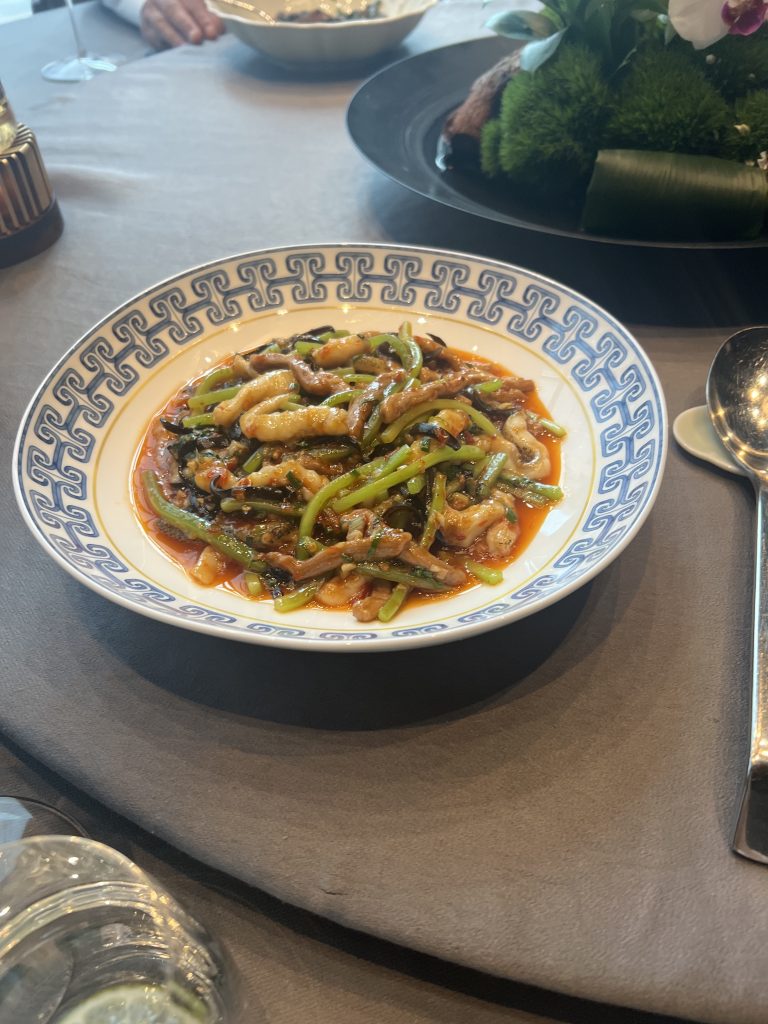
Sichuan cuisine here is not reduced to spice. A scallion pork liver dish is clean and saline. A “fish-flavored” shredded pork replaces convention with grouper, restoring freshness to a familiar profile.
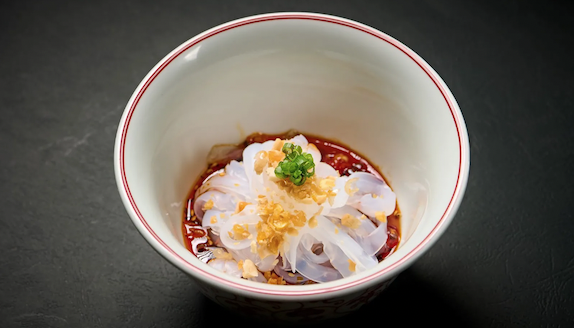
As the lead manager Jian Zhou said: “Sichuan cuisine is not about ingredients. It’s about flavor architecture. The 24 foundational profiles expand into more than a hundred expressions.” In the kitchen, it is visible: rows of chili oils, fermented bases, spice blends – each calibrated not improvised. It is less cooking than construction.
Cantonese food as nourishment
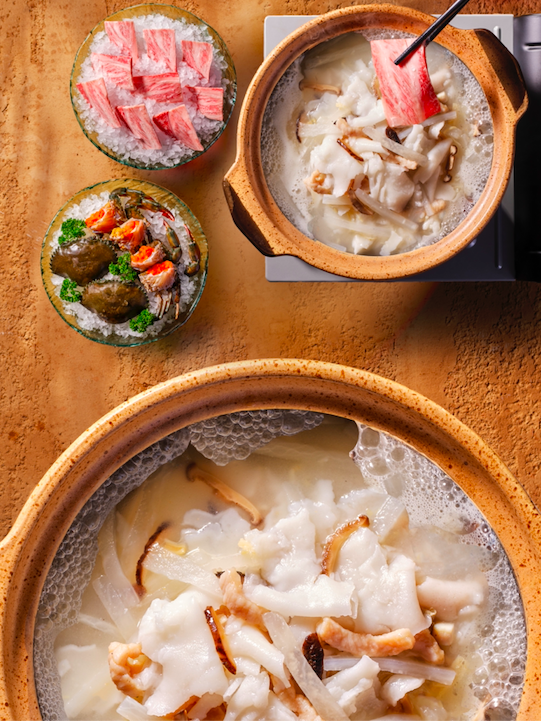
Since opening in Shanghai in 2024, Toi Sihng Lauh Yuht has adhered to a simple philosophy: good food, fairly priced, and comforting. Here, Cantonese cuisine from Taishan is framed as nourishment. Rooted in the belief that food and medicine share the same origin, ingredients are understood through balance – warming and cooling, light and rich – rather than intensity alone.
Chef Yongyao Wu anchors his cooking in China’s southeastern Taishan region, sourcing seasonal produce and translating Cantonese food wisdom into a contemporary kitchen language. His approach is grounded in familiarity elevated by precision.
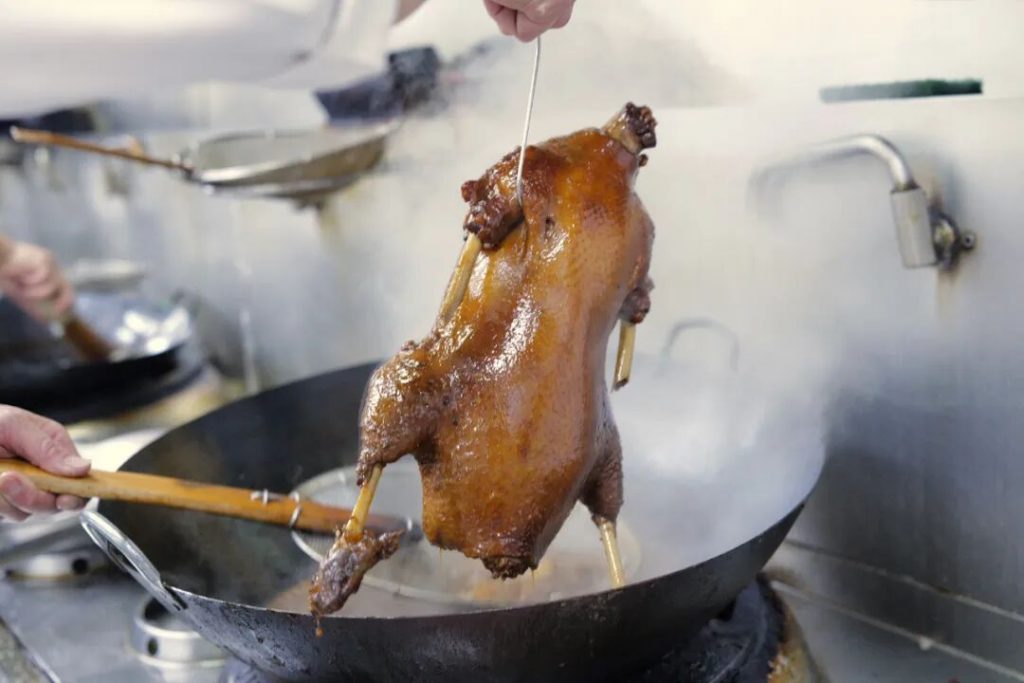
A slow-baked goose neck – traditionally a secondary cut – becomes aromatic and tender when cooked in a rice cooker with wild ginger and five-leaf ginseng.
The cooking at Toi is quietly expressed, grounded in a respect for natural flavor and restraint. Its soups, in particular, are composed with balance in mind – between yin and yang, richness and lightness.
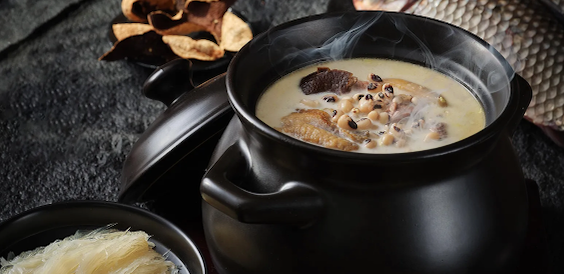
The marinated crab with five black ingredients begins with a base of mulberry, black sesame, fleeceflower root, black beans, and aged tangerine peel. To this are added soft-shelled turtle, old hen, pork bones, and Taishan-style marinated baby crabs, all gently simmered together. It’s nourishing without a sense of weight. As founder Jing Sun explained: “Dark ingredients are considered supportive and warming, while crab is cooling. Brought together, they are meant to balance one another.”
At Toi, nourishment is not abstract. It is daily, practical, and disciplined. The food is neither rustic nor refined in excess – it sits somewhere in between, where tradition meets lived experience.
The commitment to discipline runs across these kitchens. A well-honed blade will find its moment to resonate.